
articles
China Elevator Stories
Chongqing: China's Capital During World War II (Chinese History)
Chongqing was one of the cities bombarded by the Japanese in what is referred to as the “Bombing of Chongqing”.
21/11/2024

Ruth Silbermayr
Author
Chongqing was my first stop during my travels through China in 2012. Other places on my travel itinerary before I visited Shenzhen included Kunming, and Shangri-La in Yunnan Province, as well as Changsha and Fenghuang Ancient Town in Hunan Province.
I enjoyed staying in Chengdu, Sichuan Province, in 2009 and found the city very appealing. It is a close neighbor to Chongqing, which I didn’t find quite as attractive to visit.
Chongqing, though not very pleasant in my memory due to its hot and humid climate and mosquitoes, is a city with a fascinating history. To be honest, it is not one of the cities in China I would voluntarily revisit, simply because it didn’t leave a very positive impression compared to certain other cities and regions. That said, this is not to imply that others wouldn’t enjoy visiting.
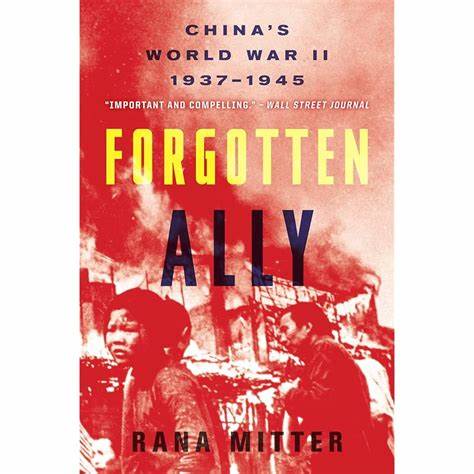
Part of the city’s history is detailed in Forgotten Ally: China’s World War II, 1937-1945 by Rana Mitter:
“On May 3 (1939), the sky was clear above the southwestern Chinese city of Chongqing. The weather was sweltering. Not for nothing is Chongqing known as one of ‘China’s three furnaces,’ where temperatures regularly rise to 104 degrees Fahrenheit or higher. (…) On the docks, stevedores hauled boxes on and off the ships that plied the Yangtze. Passengers descending from the boats would be mobbed by dozens of sedan-chair bearers. Chongqing is famous as a shancheng, a ‘mountain city’ – far better to be carried up the steep hills that separate the river from the upper town, if you could afford it. In the markets, traders and their clients bargained for rice, vegetables, and meat. The number of customers was greater than at any time in the city’s history. In October 1937, the Nationalist government of China had announced that it could no longer defend the existing capital at Nanjing to the east against a Japanese invasion that had begun three months earlier. Chongqing therefore became the temporary capital. Millions of refugees had fled westward, and Chongqing’s population swelled. A city of fewer than half a million inhabitants in 1937 more than doubled in size within eight years. Aside from the crowded markets, the refugees’ presence was clear from the ugly, slapdash buildings, made from mud and metal girders, that had rapidly sprung up across the local landscape. These shanties gave an already slovenly-looking city an even more unkempt air.”
Today, Chongqing is sometimes cited as the world’s largest city population-wise, but this is a misconception. When I visited in 2012, I found a large city, but it wasn’t as vast as some people claimed. It still featured old shanties. The confusion about the city’s size arises from Chongqing being both a city and a province. Instead of counting only the city’s population, people often include that of the entire province. The city itself isn’t larger than other major cities in China and is certainly smaller than Beijing.
The other two cities in China’s “Three Furnaces” (三大火炉, sān dà huǒlú) are Wuhan in Hubei Province, infamous as the origin of COVID-19, and Nanjing in Jiangsu Province. Changsha in Hunan Province—where locals often stay indoors during the day and venture out only in the cooler evening hours during summer—or Nanchang in Jiangxi Province are sometimes added to the list, which then becomes the “Four Furnaces” (四大火炉, sì dà huǒlú).
Chongqing is China’s most well-known shancheng (山城). Locals told me that cycling through the city isn’t common compared to other cities in China because of its many hills. The term shancheng denotes a city built on hilly or mountainous terrain. In such cities, many buildings and facilities are situated on rugged or uneven landscapes.
Rana Mitter also describes the city’s history during the early years of World War II in China, through the perspective of journalist Zhang Xiluo:
“Suddenly, as he was sitting down to eat, Zhang heard a sound whose terrifying significance he knew well. ‘At about noon, we heard a short alarm signal,’ he recalled. ‘I didn’t even finish my meal but got ready to go and hide away in the air-raid shelter in the newspaper office in Jintang Street.’”
The Japanese bombed the city on 3 May 1939:
“At 12:45 p.m., dots appeared in the sky, thirty-six of them. They swiftly grew larger and louder. From airfields in occupied China, the Japanese Navy could dispatch Type 96 Land Attacking aircraft able to fly over one thousand kilometers on a single fueling. The Japanese were almost invulnerable and could bomb the Chinese government in exile into submission.”
After the raid was over, the destruction was evident:
“All across the city, from the docks to the residential districts, buildings were gutted, bombed into hollow wrecks. So complete was the destruction that the surviving buildings seemed to him strangest of all: at one junction, a cluster of banks stood undamaged amid the rubble of endless flattened structures. Even hours later, as darkness fell, the city was filled with the sounds of moaning and screams for help. ‘It was truly unbearable to hear,’ Zhang recalled.”
On May 3, 1939, over 40 Japanese planes bombed the city, but the attacks continued the following day.
This is Wikipedia’s summary of the bombing of Chongqing:
“The bombing of Chongqing from 18 February 1938 to 19 December 1944, was a series of massive terror bombing operations authorized by the Empire of Japan’s Imperial General Headquarters and conducted by the Imperial Japanese Army Air Service (IJAAF) and Imperial Japanese Navy Air Service (IJNAF). Resistance was put up by the Chinese Air Force and the National Revolutionary Army’s anti-aircraft artillery units in defense of the provisional wartime capital of Chongqing and other targets in Sichuan.”
Mitter explains:
“Most Westerners have scarcely heard of the bombing of Chongqing. Even for the Chinese themselves, the events were concealed for decades. Yet they are part of one of the great stories of the Second World War, and perhaps the least known. (…) In recent years, the sheer scale of the war in China has become apparent. What began on July 7, 1937, as an unplanned local conflict between Chinese and Japanese troops near Beijing, known as the ‘Marco Polo Bridge Incident,’ escalated into an all-out war between the two great nations of East Asia; it would not end until August 1945. In the eight intervening years, China’s Nationalist government was forced into internal exile, along with millions of refugees. Huge tracts of the country were occupied by the Japanese, who sponsored collaborators to create new forms of government aimed at destroying the authority of the Nationalists. In other parts of the country, the Chinese Communist Party grew in influence, burnishing its credentials through resistance to the Japanese and vastly increasing its territorial base through policies of radical social reform. The toll that the war inflicted on China is still being calculated, but conservative estimates number the dead at 14 million at least (…). The number of Chinese refugees may have reached more than 80 million.”
Today, anti-Japanese sentiment remains widespread in China. Japanese residents often face racism and must take precautions for safety. When I worked as a professor at Jilin Normal University in Siping, one year, Japanese professors and exchange students were flown back to Japan shortly after arriving in Siping to ensure their safety.
Shortly after moving to Shenzhen in 2012, several violent anti-Japanese protests had started in various Chinese cities, including Shenzhen. Japanese shops, restaurants, and cars (often owned by Chinese) were attacked. Mob violence included smashing windows and overturning Japanese cars with the (Chinese) driver still inside.
Mitter notes:
“In the summer of 2012, disagreements over disputed islands (known as the Diaoyutai to the Chinese and Senkaku to the Japanese) in the East China Sea flared up into anti-Japanese demonstrations in numerous Chinese cities.”
Popular Chinese TV shows often depict Chinese soldiers killing Japanese soldiers during World War II, and these were my former father-in-law’s favorite programs (he watched them daily). I find these shows brutal and wouldn’t want my children to watch them. They encourage hatred toward the Japanese and are widely viewed across the nation.
At my son’s kindergarten, I once attended a performance. While the historical events were undoubtedly brutal, hatred toward the Japanese is not only common and widespread but is often promoted rather than discouraged, making peaceful relations between the Japanese and Chinese more difficult to achieve. In one performance, a class two years older than my son’s performed a scene where some Chinese children played Chinese soldiers and others played Japanese soldiers. The Chinese soldiers ‘played’ killing the Japanese soldiers with rifles, at just five years old.
I never liked how violence and hatred against the Japanese were encouraged, rather than discouraged, starting from such a young age.
Have you ever heard about Chongqing’s history?
It is really a great and useful piece of info. I am glad that you shared this useful information with us. Please keep us informed like this. Thanks for sharing.
Thanks!
Very interesting info !Perfect just what I was searching for!
Thanks!
Your style is so unique compared to many other people. Thank you for publishing when you have the opportunity,Guess I will just make this bookmarked.2
Thanks!
As a Newbie, I am always browsing online for articles that can help me. Thank you
You’re welcome!
Your advice is spot-on and has already given me a new way to approach things. I cant wait to put these tips into action!
Thanks!
Wonderful blog you have here but I was curious if you knew of any user discussion forums that cover the same topics talked about in this article? I’d really like to be a part of online community where I can get feed-back from other knowledgeable individuals that share the same interest. If you have any recommendations, please let me know. Thanks a lot!
Thanks! I don’t know of any such forums, sorry!
I enjoy reading about Chinese history; there are so many fascinating stories.
I’m glad you liked it!
Great article—I was looking for something about Chongqing’s history and found this.
Thanks!
I enjoyed reading about Chongqing’s history during World War II—great read!
Thanks!
This was such an interesting write-up; I enjoyed reading about the history of this fascinating city.
Thanks!
Great article!
Thanks!
I always wanted to learn about Chongqing’s history. Thank you for sharing!
You’re welcome!
Great article! This was an interesting read.
Thanks!
I’m sharing this with family. Great article!
Thanks! I hope they’ll enjoy it as well.
Great article. I found it through a Google search, and it was helpful. It was exactly the information I was looking for. Keep up the great work.
I’m glad it helped!
This is a part of history many don’t know about. Thanks for sharing! I enjoyed the article.
I’m glad I could be of help.
I visited Chongqing a few years ago and find its history fascinating, thanks for sharing about it here.
You’re welcome!
I’m so glad I found this—it was just in time!
I’m glad it was helpful!
Great article! I enjoyed reading this.
Thanks!
I loved the city when I visited in 2018, and I’m really interested in its history. Thanks for sharing—this is an amazing article!
You’re welcome, I’m glad you liked it!
Capitals often have such interesting histories. I also find it fascinating that Chinese capitals changed so often, though it is understandable in light of all the attacks.
Thanks!
Great article! I am happy to have found such a wonderful writer and photographer
Thanks!
Chinese history is fascinating. I enjoyed reading about this not-so-beautiful but interesting and important hub city’s history.
Thanks!
Great read! I love history, especially urban history.
Thanks!
Awesome article! I can’t even imagine what living there must have been like in the past. I have friends who live there, and I came across this article while googling it.
Thanks!
Great read! I’ve always wanted to visit Chongqing, but haven’t been able to make it there yet.
Thanks!
You are a talented writer. I am looking forward to reading your memoir!
Thanks!
Hi! I was already wondering how WWII unfolded in this part of the world. I have been researching WWII history for years and was able to learn something new. Thanks for writing this!
You’re welcome!
I enjoyed reading this article. I like to learn more about Chinese history.
Thanks!
Great write-up! Just came by to say hello.
Thanks! Welcome to my site
Great article! I really enjoyed reading your blog posts
Thanks!
The story of the Japanese invasion is fascinating, though it represents a very cruel chapter in Chinese history. Thank you for addressing such an important topic.
You’re welcome
Great blog, I enjoyed reading your posts and the photos are amazing as well
Thanks!
Great post!
Thanks!
I enjoyed learning more about this interesting part of history. Keep up the great work!
Thanks!
Great post, I wonder how this part of history is portrayed in Japanese history books
Thanks! Yes, that would be interesting to know
When I visited Chongqing, I didn’t find it as beautiful as I had expected, since there is a lot of hype around the city, but I find its history interesting nonetheless. Thanks for sharing this post.
You’re welcome!
I have always been a fan of Chinese history, but I haven’t read about this chapter yet. Great post.
Thanks!
No wonder the relationship between the two countries is still not great. I have met many Chinese people who still take what the Japanese did to them very personally. I hope this will one day be taught as incidents to be forgiven, not as something to hate other cultures for forever.
Yes, forgiveness is important to teach
I visited a few sights when I was in Chongqing, but it was interesting to read up on this part of the city’s history
I’m glad you found it interesting
I wish this was taught in American history books! Thanks for sharing this valuable knowledge
You’re welcome
Great article, I’m so glad I didn’t live at that time, though certainly our times are also quite uncertain
Thanks!
I enjoy reading about history, I have a history major but we haven’t learned about this part of history, thanks for sharing
You’re welcome!
I found this after googling for Japanese war crimes, thanks, I know there is much more Japanese-Chinese history to research, but this was truly interesting
I’m glad it was helpful
I would love to read more about Chongqing wartime history, in case you’re thinking about writing more about this topic
I may consider doing so if I have enough time on my hands
I am looking forward to your book, will it also cover Chinese history?
Yes, as world history—particularly Chinese history—is one of my great passions, I find it extremely interesting to learn more about it.
I felt like I was traveling back in time while walking through some of the streets in Chongqing and could truly feel that what happened there was real, and how horrific it must have been for people to experience. Thank you for writing this.
You’re welcome!
I understand why most Chinese people haven’t forgiven what happened with the Japanese. I believe I would not be able to forgive them either. Thanks for sharing this article, this is an important part of history that is not talked about much.
You’re welcome, I hope that one day forgiveness will be taught as it is important
This is an interesting post. I wonder what the Japanese think about this part of history. Well written!
Thanks!
Great article! This part was missing in our history books, and I wish more Chinese history was included.
Thanks!
I also found Chongqing so-so as a city to visit, but its history is very interesting, since it has experienced so many changes over the decades. I enjoy your blog; it is very unique.
Thanks!
I haven’t heard the Japanese version of these events, but they will probably make it appear as though it wasn’t as bad. This is an important part of history that is not commonly talked about in American history books, and I am glad I found this.
I’m glad it was helpful
I enjoyed reading this!
Thanks!
I just found this blog, and I love it! It features so much great knowledge, and I also enjoyed the conversations with locals.
Thanks!
I have never been to China and came across this article while researching places to visit. I’m not sure I’ll go to Chongqing as planned, but it’s better to know beforehand that a place may be portrayed differently in travel guides than how it truly is
Yes, I recommend other places, since they make for a better experience in my opinion. However, I do know people who enjoyed visiting Chongqing, so it depends on the person.
Great blog! I have visited Sichuan, but never Chongqing. It sounds a bit different, but also very enticing.
Thanks!
Great article! I just wanted to say hi. I heard you have been attacked a lot for writing your blog, and I wanted to tell you to keep writing and not give up, since it is a true gem!
Thank you!
The Japanese occupation of China is a part of history I have researched quite a bit, and I find it very interesting. Thanks for sharing this article.
You’re welcome
Great article and post! I shared it with family and friends because I found it so enticing
Thanks!
Fascinating! I wanted to tell you how great your blog is. It is truly outstanding
Thanks!
I had an enjoyable time in Chongqing but read this article because I was interested in learning more about its history.
I’m glad you enjoyed your stay
Great article, I enjoy reading your blog
Thanks!
I am interested in Chinese history and had read about this period before, but there were still new things for me to learn. Thanks for writing this post.
You’re welcome
Great blog! I loved the pictures in the other articles and the illustrations too.
Thanks!
Interesting read! Thanks for sharing
You’re welcome
Great article! I enjoyed reading this
Thanks!
Great post! I enjoy reading about Chinese history
Thanks!
Most people make it to other more well known places. I understand not everyone likes Chongqing, but it has a fascinating history indeed
Yes, I agree, it is still interesting
Great post! I just came across your blog recently and really enjoyed reading various articles
Thanks!
I have always been interested in this part of history. Thanks for sharing
You’re welcome
Just saying hi to let you know to keep up the great work—I enjoy reading your blog.
Thanks!
Remarkable blog, I enjoyed the articles I have read so far and am going to share it with friends
Thanks!
Cool! I enjoyed learning more about this topic
I’m glad you enjoyed it
Thank you for sharing such an important part of history with us
You’re welcome
Your personal anecdotes made the article feel very authentic and grounded.
Thanks!
Your explanation about Chongqing’s population misconception was very helpful and easy to understand.
I’m glad you found it helpful
Great article! I appreciate your honest perspective about the city while still acknowledging its historical importance.
Thanks!
I had no idea Chongqing played such a crucial role during World War II. Thank you for shedding light on this.
You’re welcome
This article made me curious to learn more about China’s role in World War II—thank you for sharing.
You’re welcome!
It’s fascinating how cities can have such difficult pasts that are not widely known internationally.
Yes, I believe that what makes traveling to a city really fascinating is learning about its past.
I found your comments about the “Three Furnaces” particularly interesting—sounds like an intense climate!
If you’ve ever visited any of these furnaces during summer, you’ll know what I mean. But it’s better to avoid doing so if at all possible.
I didn’t know about the scale of the bombing of Chongqing. It’s surprising how little this is discussed. Thanks for doing such important work for free!
I’m glad you found it helpful
I appreciate how you included firsthand accounts from that period—it makes the history feel much more real. Great post!
Thanks!
I had heard of Chongqing, but I didn’t realize how significant it was during World War II. Very informative.
Thanks, I find Chinese history fascinating and enjoy researching it and sharing it with those who are interested as well.
Great read—your personal experience combined with historical context made this really engaging.
I’m glad you enjoyed it
Great article! I have never been to Chongqing, but I have visited China, and I lacked proper knowledge about this time in history. That’s why I googled it and found your post. Thanks for sharing!
You’re welcome
Thanks for writing this up. I am really interested in Chinese history and am always looking for articles like this one.
You’re welcome
I appreciate that you didn’t shy away from sharing uncomfortable observations. It makes the article more honest and reflective.
Thank you, I felt it was important to include those aspects.
This is a great article; I really enjoyed reading it
Thanks
Your personal travel impressions combined with history made this especially engaging.
Thanks
Your reflections on modern attitudes and historical memory are thought-provoking.
Thanks!
I appreciate how you included both your own experience and historical context.
Thanks
I didn’t realize Chongqing was considered one of the “Three Furnaces”—that explains a lot.
It does, doesn’t it? I don’t ever recommend going during summer!
You have a great blog, I enjoyed reading the articles. The climate you described sounds challenging, but the history definitely makes the city unique.
Thanks
It’s interesting how you pointed out that some historical narratives are actively reinforced through media and education. That raises important questions.
Yes, it’s something I found quite notable.
The part about the bombing itself was quite difficult to read, but important. It really highlights the human cost of war.
Yes, it’s a very heavy but important topic.
I liked how you explained the “largest city” misconception. It’s something I’ve heard before, but never fully understood until now.
I’m glad that explanation was helpful.
Your honest opinion about not wanting to revisit Chongqing adds a refreshing level of authenticity to the article. Not every place has to be presented as purely positive.
Thank you
Interesting read. The description of the bombing was quite intense and sobering.
Thanks
I found it particularly interesting that such a significant part of World War II history is still relatively unknown in many parts of the world.
That’s true, it’s often overlooked outside of China.
The description of Chongqing during the war years was very vivid. It’s hard to imagine how overwhelming it must have been with so many refugees and constant bombings.
Yes, it must have been an incredibly difficult time for the people living there.
This gave me a different perspective on China.
That’s really interesting to hear.
The historical background was very detailed.
Thank you
I didn’t expect to learn something new today, but I did.
I’m glad the article could offer something new.
Very well written and easy to follow.
Thank you, I appreciate that.
I’ve been to Chongqing and can relate to the heat!
Yes, the climate there can be quite extreme.
It’s interesting how the past still affects the present.
Yes, history often shapes current attitudes.
This made me want to read more about China’s role in World War II. Thanks for sharing such an important article
I’m glad you found it helpful
I liked how honest you were about your personal experience of the city.
Thanks
I found your explanation of why Chongqing is sometimes called the largest city in the world very helpful. It’s something I’ve heard before, but your clarification about the administrative region made it much clearer.
Thanks
The description of Chongqing as a “mountain city” really helped me visualize what daily life might have looked like at the time. Thanks for the great article.
I’m glad you found it helpful
Your comparison between Chongqing and Chengdu was interesting—it gave a more personal context to how different cities in China can feel, even when they are geographically close.
I’m glad you found it interesting, the feel is quite different indeed
I realized how little I knew about this topic before reading. Thanks for sharing information about Chinese history here; it is not covered much in schools where I’m from.
You’re welcome
I think the article does a good job of showing how complex historical memory can be.
Thanks!
The scale of destruction described after the bombings was quite shocking to read about. My grandparents had both experienced war, but I only know it from history books and am always shocked when I see how cruel large masses of people could act. Thanks for sharing this information with your readers
Yes, I believe it is important to share about history to avoid repeating such acts
I found your observation about cycling being uncommon in Chongqing quite interesting—it really highlights how geography affects daily life.
Yes, it is quite visible how it affects cities in Chongqing
This really makes me want to visit now to see if what you are saying about the city is true. Great post
Thanks!
I didn’t know that the bombing of Chongqing was relatively unknown, even though it lasted for years.
I believe much of Chinese history of that time is relatively unknown to Western readers unless they have studied Chinese history
Great article, I have been to Chonqing once and have thought about visiting again
Thanks! There’s a lot to explore
Wonderful blog!
Thanks
I thought the explanation of Chongqing’s geography and steep hills added a lot to understanding why the city developed the way it did.
I’m glad you found this helpful
Hi! I wanted to stop by and say hello and tell you that I really like your blog. You are a talented blogger—keep up the great work!
Thanks!
Fascinating article, such an interesting time in history
Thanks
Chongqing, quite impressive for visitors from smaller towns, can also be disappointing if one has other expectations, since it is also quite different from other, more modern and more international cities like Beijing. Great article!
Thank you
I didn’t get to understand much about Chongqing’s history when I visited, and am glad I found this fascinating article.
I’m glad you found it helpful
I agree, it has very fascinating history, just like many other Chinese cities as well. Thanks for sharing!
You’re welcome
Great blog and article. You are a talented photographer, as I saw in your other posts. Do you have formal education as a photographer?
Thanks! We had photography classes at high school
I enjoyed how history was presented in this article, well done
Thanks
Great article, I learned something new about China today
Thanks!
I enjoyed reading this article
Thanks!
I learned something new today, thanks for sharing!
I’m glad my article was helpful
Great post, and your blog is amazing. I have read through other articles as well and must say it is the number one for China-related topics of all kinds.
Thanks!
My friend always told me that I need to visit Chongqing, since he liked it so much. I now know not to go—thank you for being so honest with us!
You’re welcome
Of all the big cities, this one is definitely not on everyone’s itinerary, though the history seems to make it quite unique and worthwhile to visit. Thank you for giving an opinion that lets readers decide if they want to go or not; this is better than all the positive advertisement out there.
Yes, it’s always better to know in advance what to expect
Very interesting, do you usually research history before you visit a place? As the history could make visiting more worthwhile?
Yes, a little, but usually I research it more once I am there
I was wondering if I should put Chongqing on my travel itinerary; your post made my decision easier.
I’m glad I could be of help!
It is a city not as famous as Beijing, and I was wondering what it was like historically. I visited over a decade ago and didn’t know much about its history at the time.
I also had to read about its history to get to know more about it, since it isn’t as well-known as cities such as Beijing.
Great article. I was not a fan when I visited either, but some people seem to enjoy it.
Thanks!
Great post! Stopping by to say hi. I heard you received a lot of negative backlash for writing articles—keep up the good work; it is welcomed by many who aren’t telling you that they appreciate your work.
Thank you!
This is a fascinating city, particularly because of its history. But also a bit exhausting, and not as enjoyable as the countryside, imho! I enjoyed reading your post
I’m glad you enjoyed reading it
Great article. It definitely helps to decide if one wants to go or not, since there are so many different places to choose from with regard to China.
Thanks
Hi! Your blog is amazing and definitely worth stopping by frequently.
Thanks!
Such a great blog. I haven’t been reading many blogs lately, but this is definitely one I am coming back to frequently.
Thanks!
I enjoy your blog, it is very unique
Thanks!
Very interesting, no wonder the relationship between those two countries is still so fraught with problems.
Thanks
Great post! Such a fascinating, but also horrific, history.
Thanks!
Great article, I have been following your blog for a while but this is the first time I am commenting, since I found your blog a true gem
Thanks
That sounds like a very dark time in history, fortunately, things have become much better and it is now a thriving city
Yes, isn’t it?
Your blog is awesome, so much great information to find on here
Thanks
Do you suggest spontaneous travel or doing some planning? I was thinking of traveling to a few places you have mentioned here, but am wondering if it better to do some planning or if it suffices to just arrive at a place and then go from there
I believe if you are an advanced traveler, you can travel spontaneously, if you aren’t, I recommend doing at least a little plannning
My best friend is Japanese, and she always tells me about how strained the relationship between the Chinese and the Japanese is. Thank you for shedding some light on the history of these countries
You’re welcome
This certainly needs further study on my part, I have never heard of this part of history before. Thanks for sharing
You’re welcome
This is great! I’ll recommend it to my friends and family
I’m glad you liked it
I never made it so far, but have put this onto my travel itinerary. Keep up the great work
Thanks!
Are you still single? Lol, just kidding, but shoot me a message if you are. I always wanted to date a beautiful blogger such as you
Ha, thanks! I am not looking to date an internet creep, not suggesting that you are one, but I only meet up with people I know in real life
I am a big fan of your blog—just stopping by to tell you to keep on writing. I know it’s hard with all the haters and such, but it is a very worthwhile blog.
Thanks
Awesome blog, it is receiving much praise for a reason
Thanks!
I’m so glad I came across your blog, it is awesome
Thank you
Good post. I learn one thing more challenging on totally different blogs everyday. It can at all times be stimulating to read content from different writers and observe just a little something from their story.
Thanks!
Great blog! I enjoyed reading your articles
Thanks
I’ve read a lot about Chongqing, but this felt more nuanced and honest than most.
Thank you!
Perfect blog, it is quite outstanding compared to what else there is on the internet
Thanks
Really enjoyed reading this, your descriptions make Chongqing feel vivid and alive
Thanks
I always find it fascinating how many times the capital was moved in China. Thanks for sharing this article
You’re welcome
I was also a bit disappointed when I visited, but find the history of this city enticing nevertheless
Thanks for sharing your opinion
I was wondering if I should travel there for my next trip, but have chosen a few other places you recommend instead.
I’m glad this was helpful and I hope you’ll enjoy visiting these other places
Hello, I think your site might be having browser compatibility issues. When I look at your blog site in Opera, it looks fine but when opening in Internet Explorer, it has some overlapping. I just wanted to give you a quick heads up! Other then that, superb blog!
Thanks! I see, yes, this could be the case
Great, this was exactly the information I was looking for. I am studying Chinese, and have only recently learned a bit more about Chinese history.
I’m glad this was helpful for you
There’s a quiet depth to your writing that really stayed with me after reading
Thanks!
Great post, I am a Chinese history nerd and loved reading this article
Thanks!
I learned something new today, I think this was an interesting read, thanks for sharing
I’m glad it was helpful
I have been to other more central areas in China, but never to Chongqing. According to your description, it is also not a place I need to go. Thanks for letting us know, the truth is valuable knowledge when one needs to decide which places to go and which to skip, particularly in a huge country such as China
I’m glad you found this article helpful in making that decision
I have often heard about Chongqing being the largest city in China or the world, but never much about its history. This article is a gem! Thanks
Thanks
我挺喜欢看你的文章,你挺有才
欢迎再来
This doesn’t read like a typical travel article—it feels more personal and reflective, which I appreciate.
Thanks!
Your observations are very sharp. It’s interesting to see Chongqing through this kind of lens
Thanks!
写得很好,很有画面感,看完都有点想去重庆看看了。
欢迎
Some genuinely great info , Sword lily I observed this. “I try to avoid looking forward or backward, and try to keep looking upward.” by Charlotte Bronte.
Thanks! This sentence made my day
I appreciate, cause I found just what I was looking for. You’ve ended my four day long hunt! God Bless you man. Have a great day. Bye
Thank you!
I enjoy how this post combines a friendly tone with clear structure because it makes the discussion feel more genuine and easy to connect with overall.
Thanks!
I would like to thnkx for the efforts you’ve put in writing this blog. I’m hoping the same high-grade web site post from you in the upcoming as well. Actually your creative writing skills has encouraged me to get my own web site now. Really the blogging is spreading its wings rapidly. Your write up is a great example of it.
Thank you!