travel
China Elevator Stories
Labrang Monastery, Xiahe, Gansu Province (China Travel)
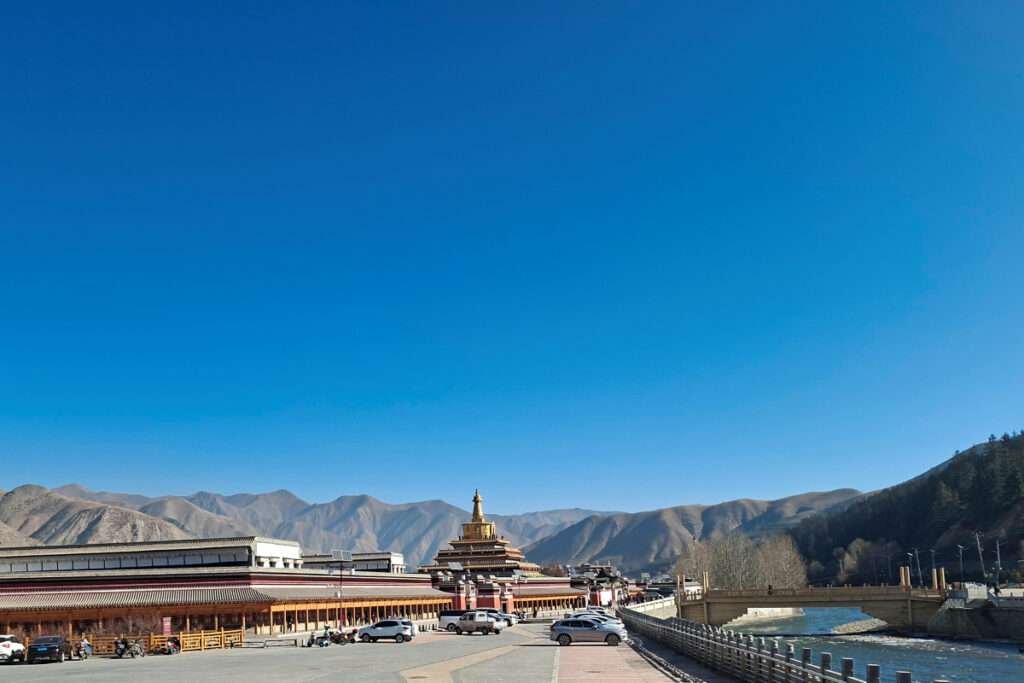
Labrang Monastery is located in a stunning mountain setting and is one of the six great monasteries of the Gelugpa school of Buddhism.
06/05/2026

Ruth Silbermayr
Author
A few months ago, I made a dream of mine come true: visiting Labrang Monastery in southern Gansu Province.
Well, to be honest, “lifelong” would be an exaggeration—it has been a dream of mine ever since I first saw it on the internet, where I found pictures and a text about it many years ago, around 2009, before traveling around China in the summer.
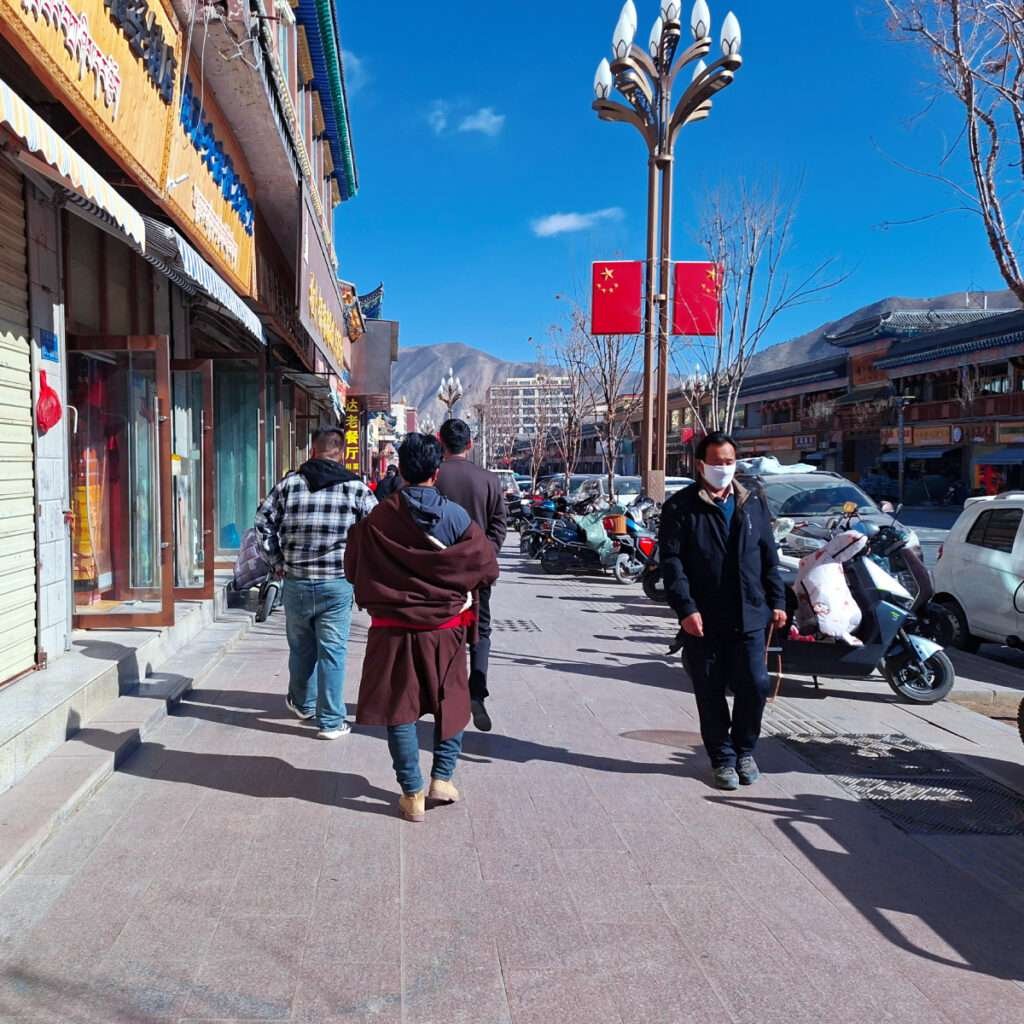
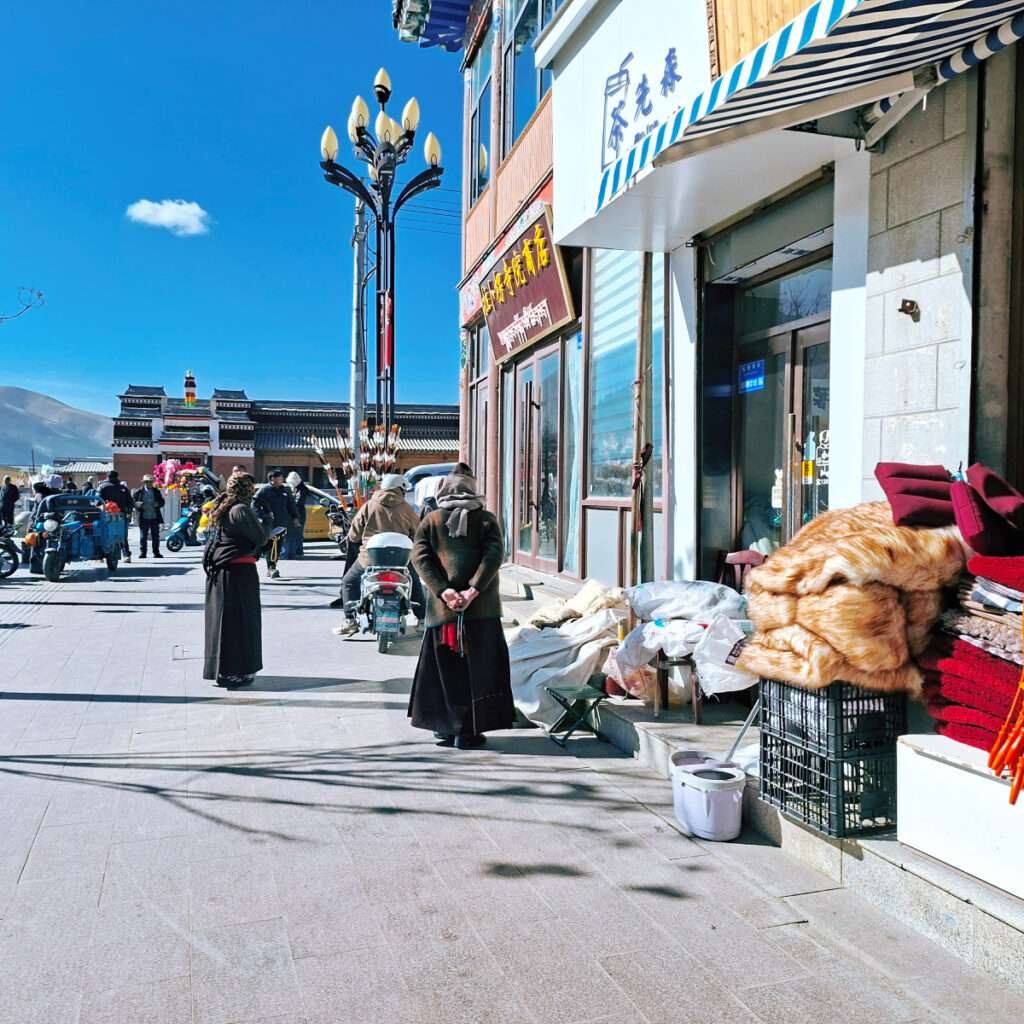
China features many different ethnic groups, and some can still be observed adhering to more traditional customs, such as many Tibetans.
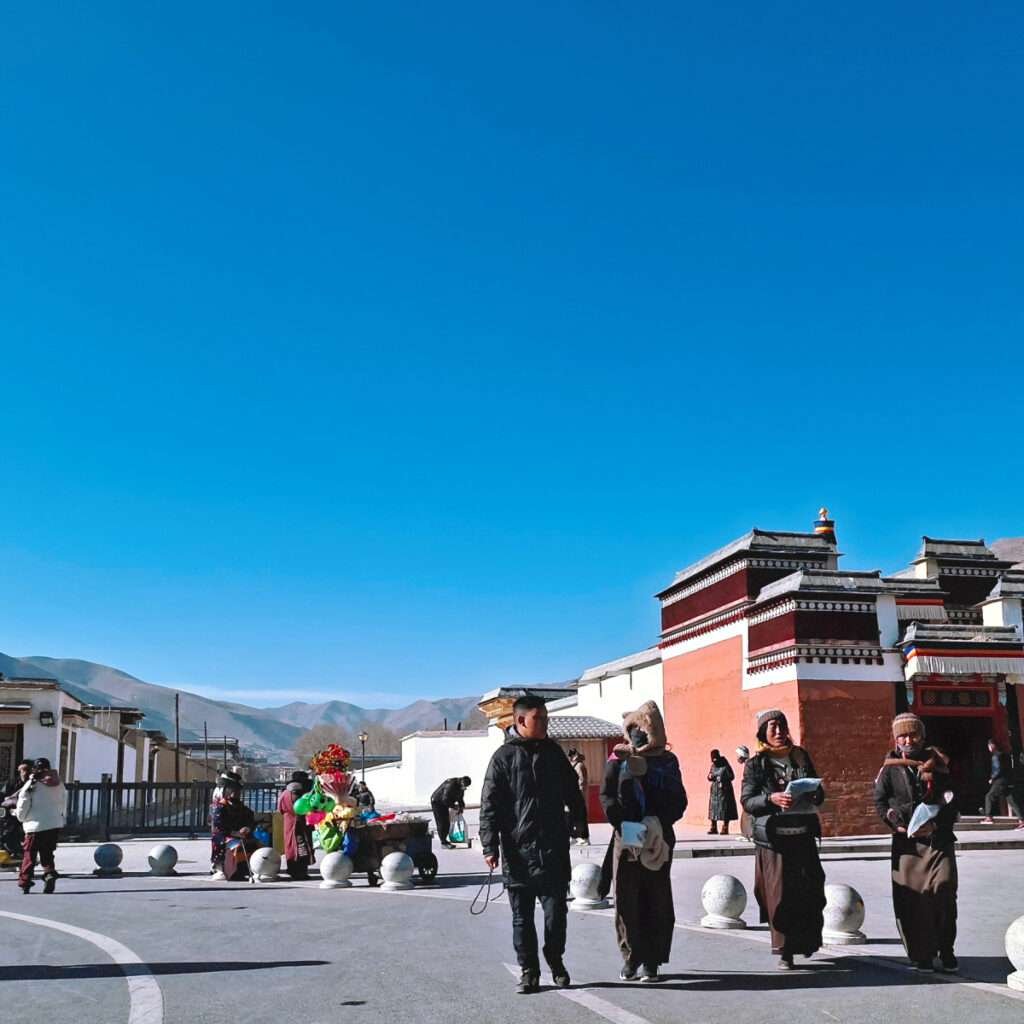
Many wear traditional attire, which makes them easy to identify as Tibetan rather than belonging to another ethnic group, and they are religious and believe in Buddhism.
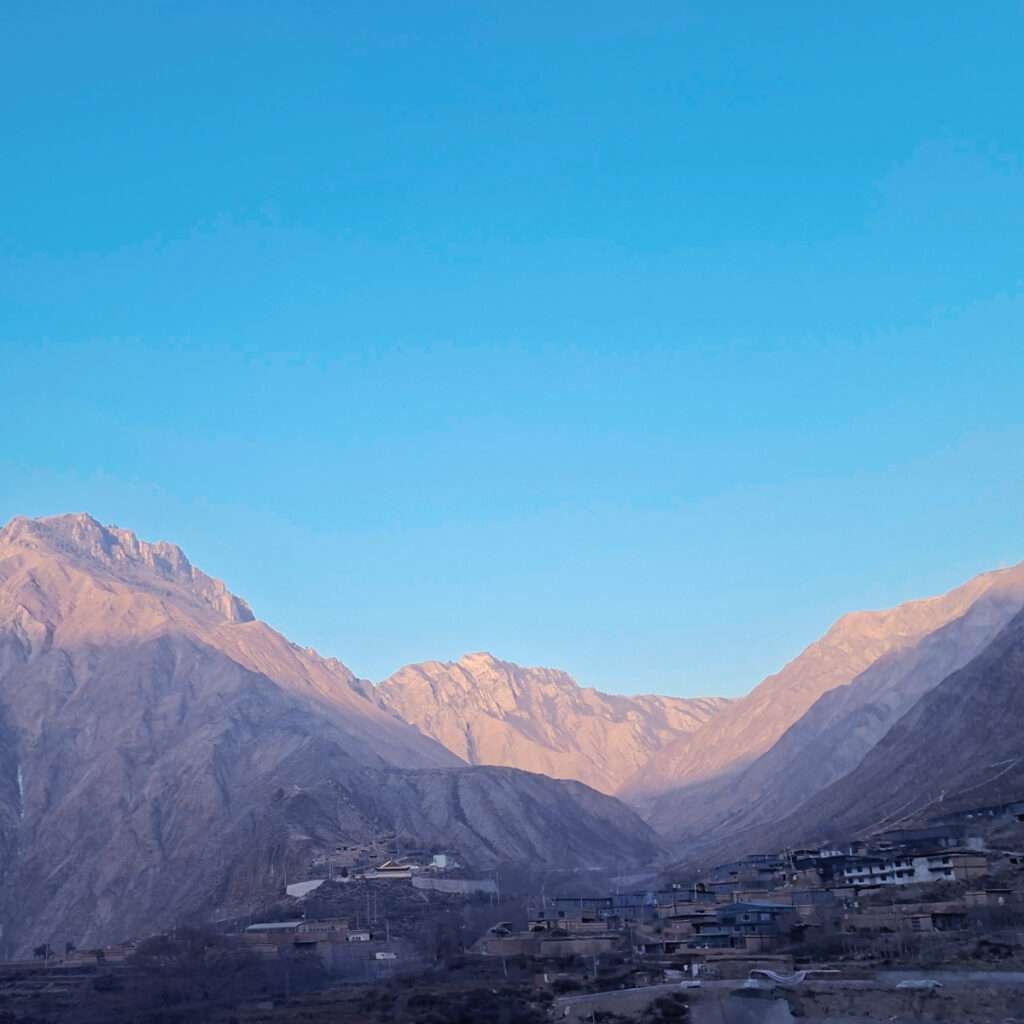
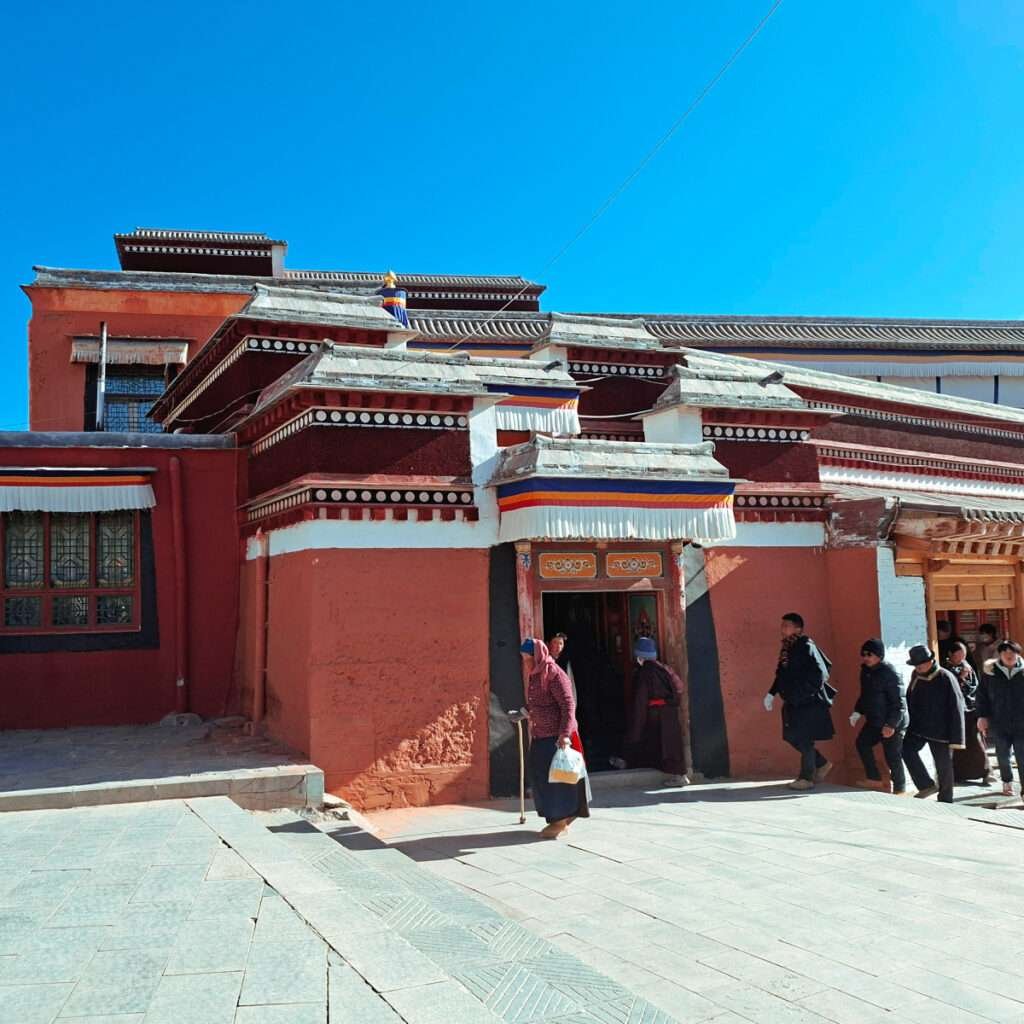
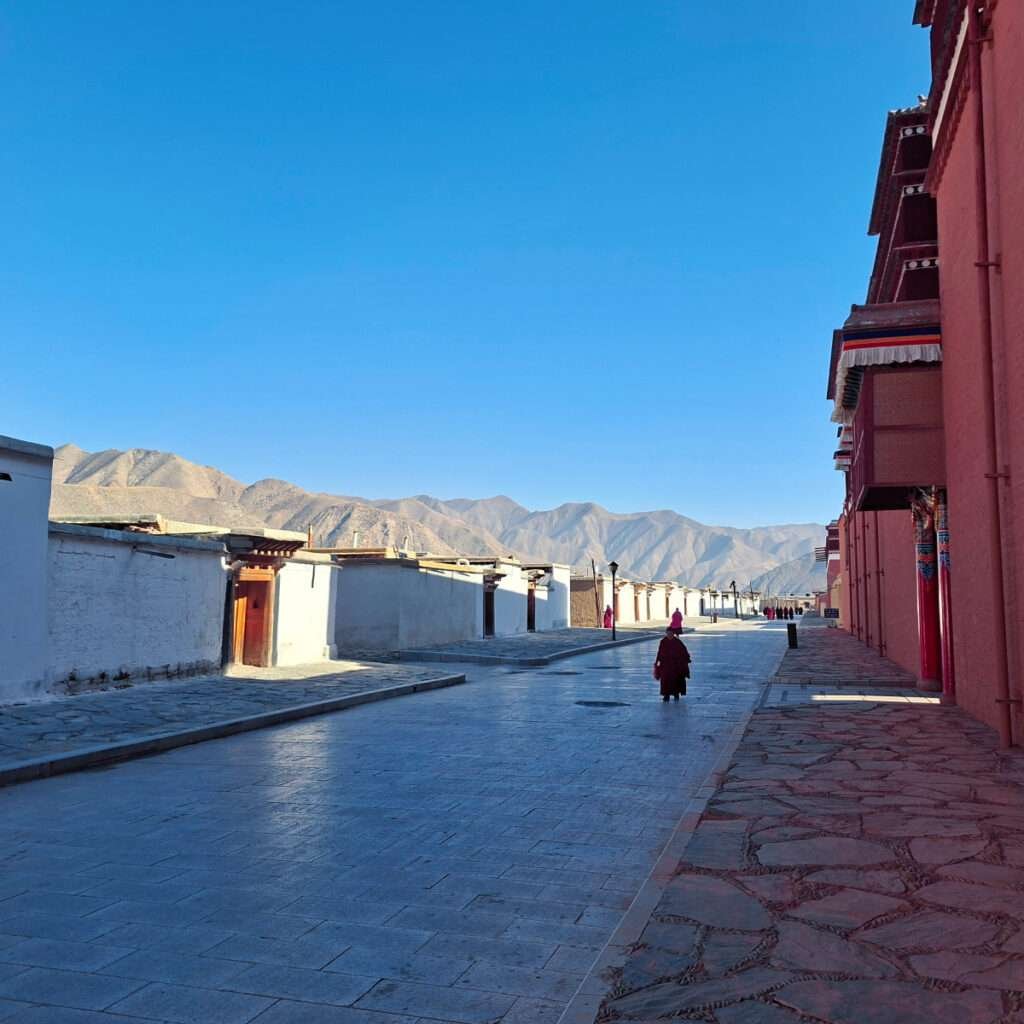
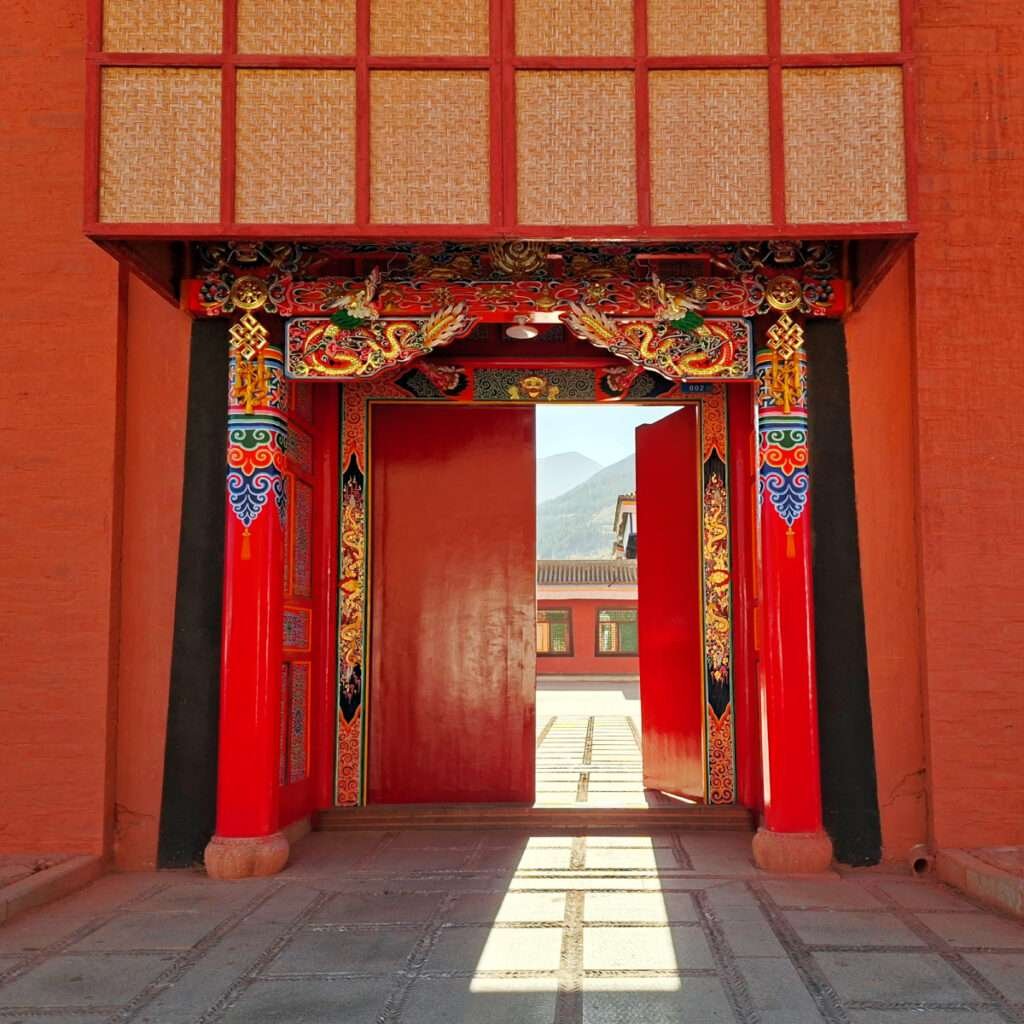
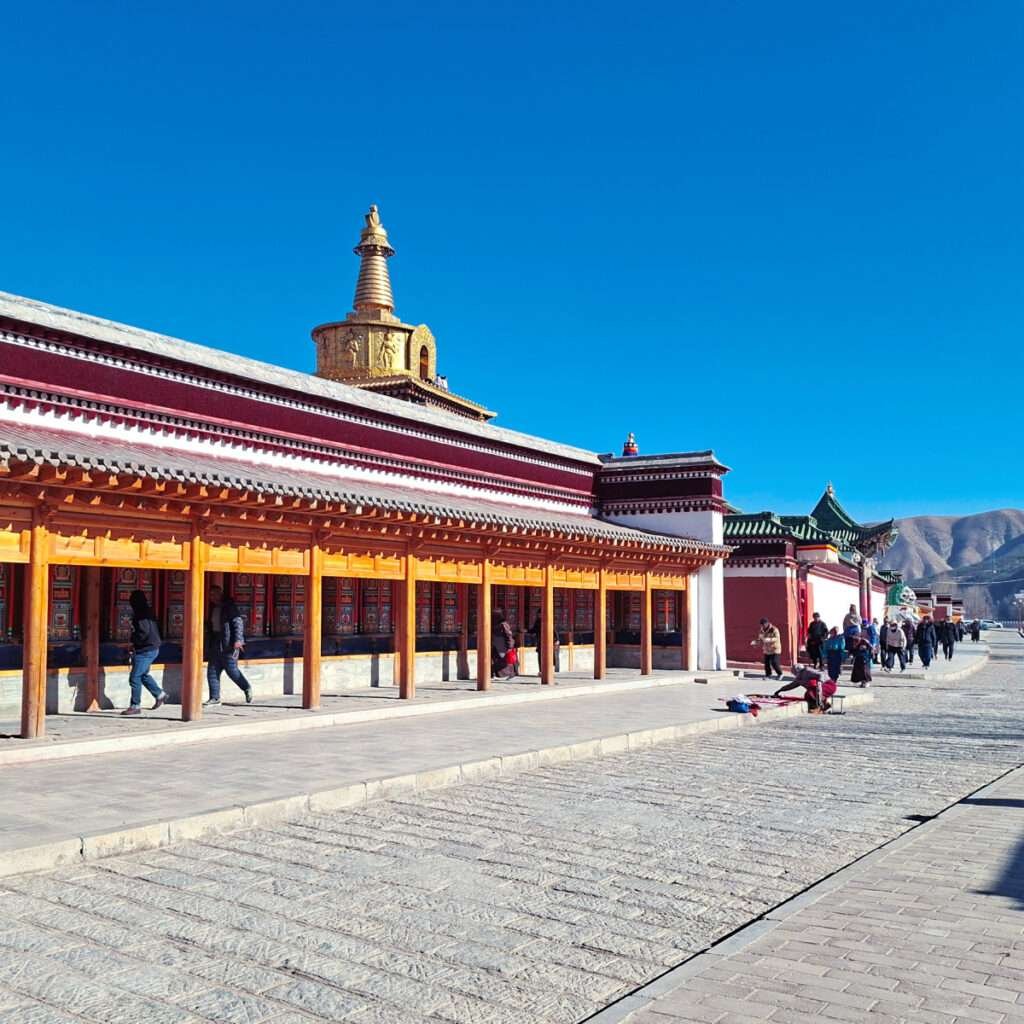
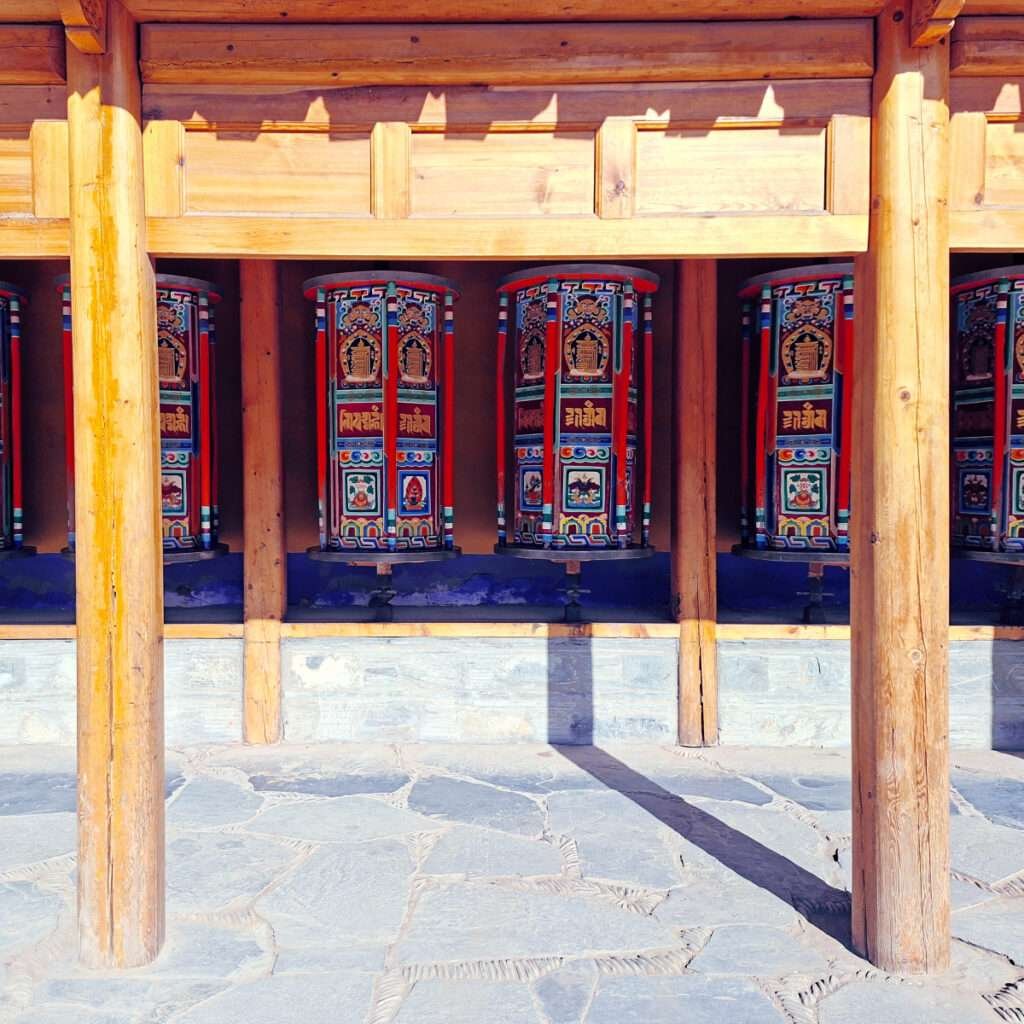
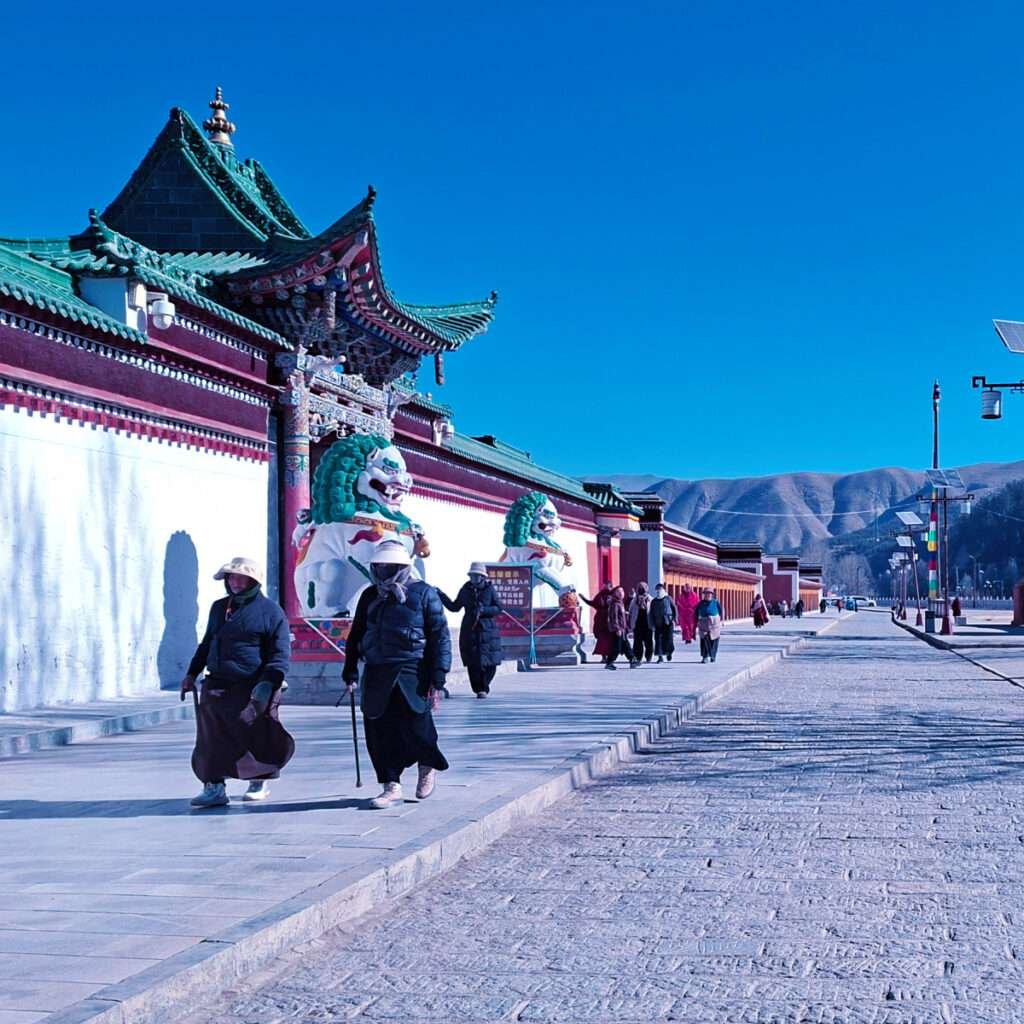
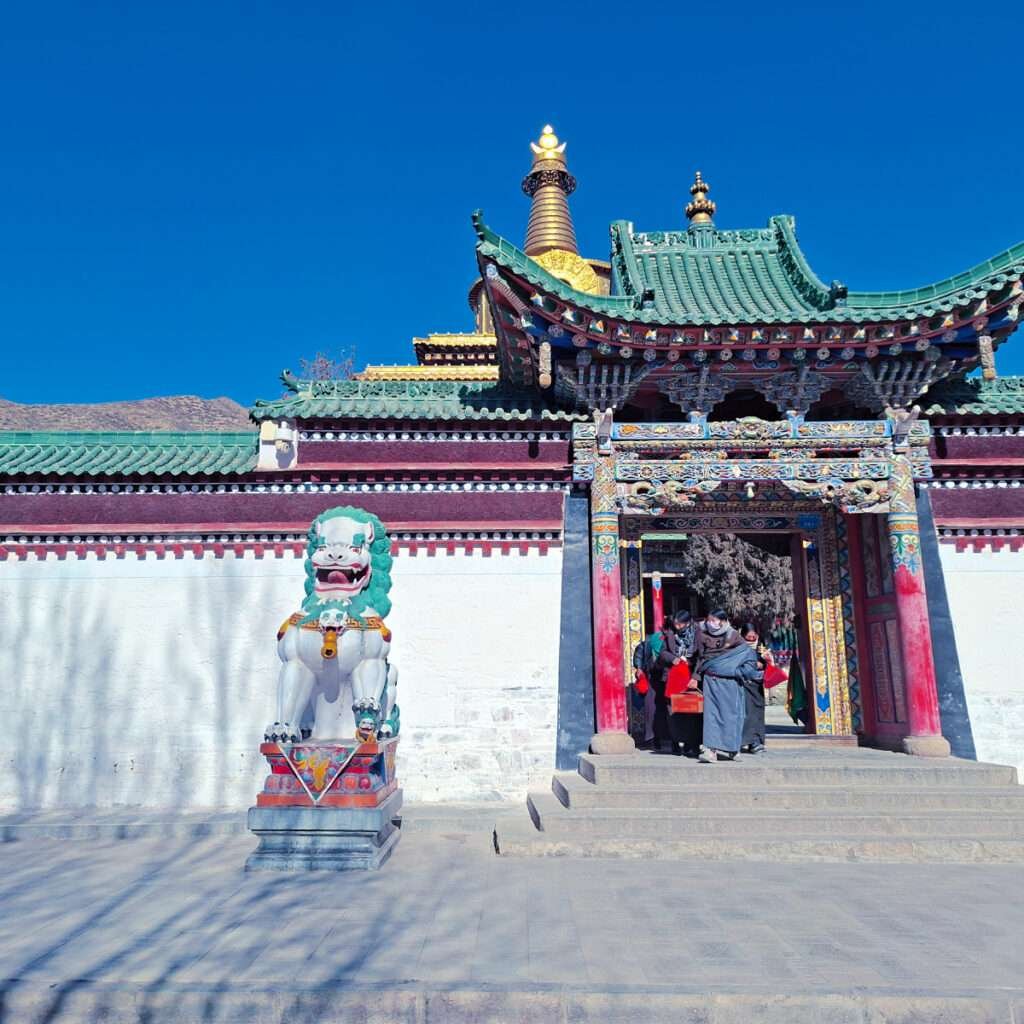
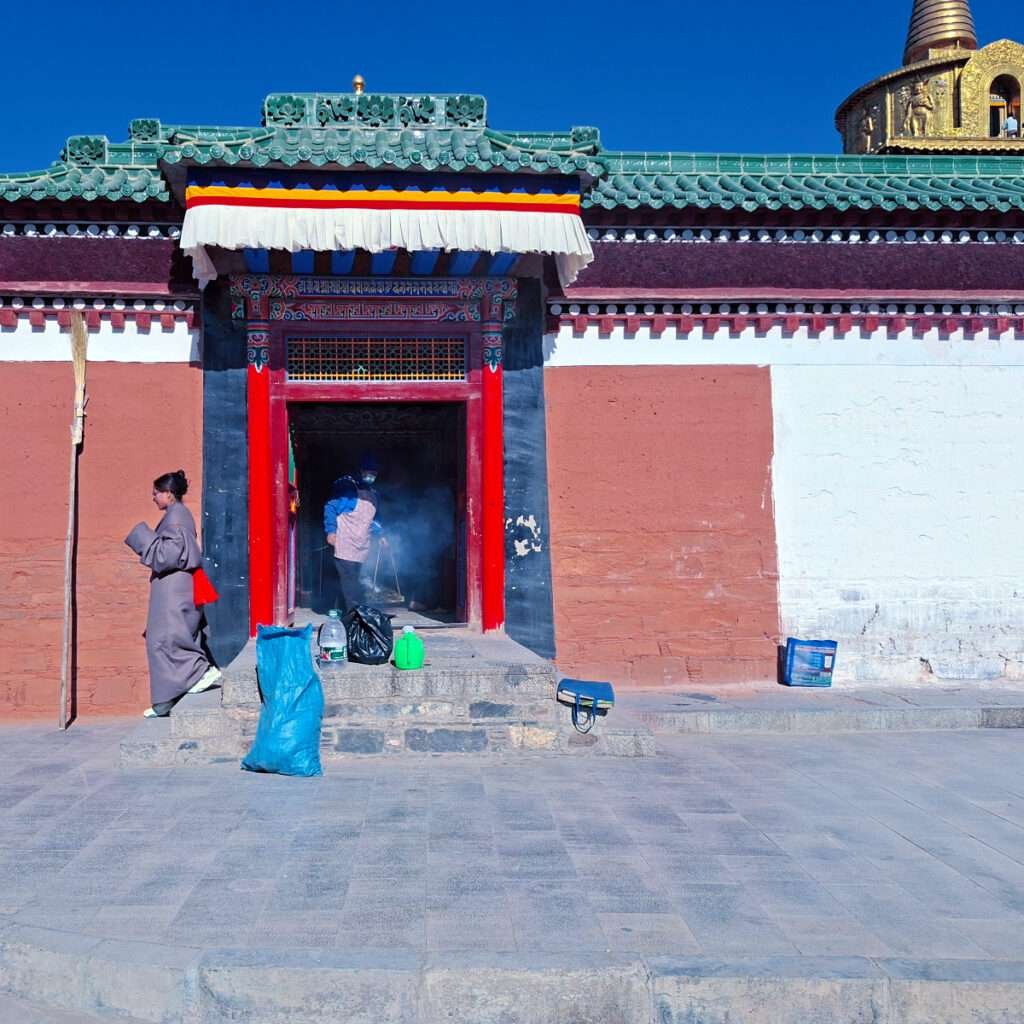
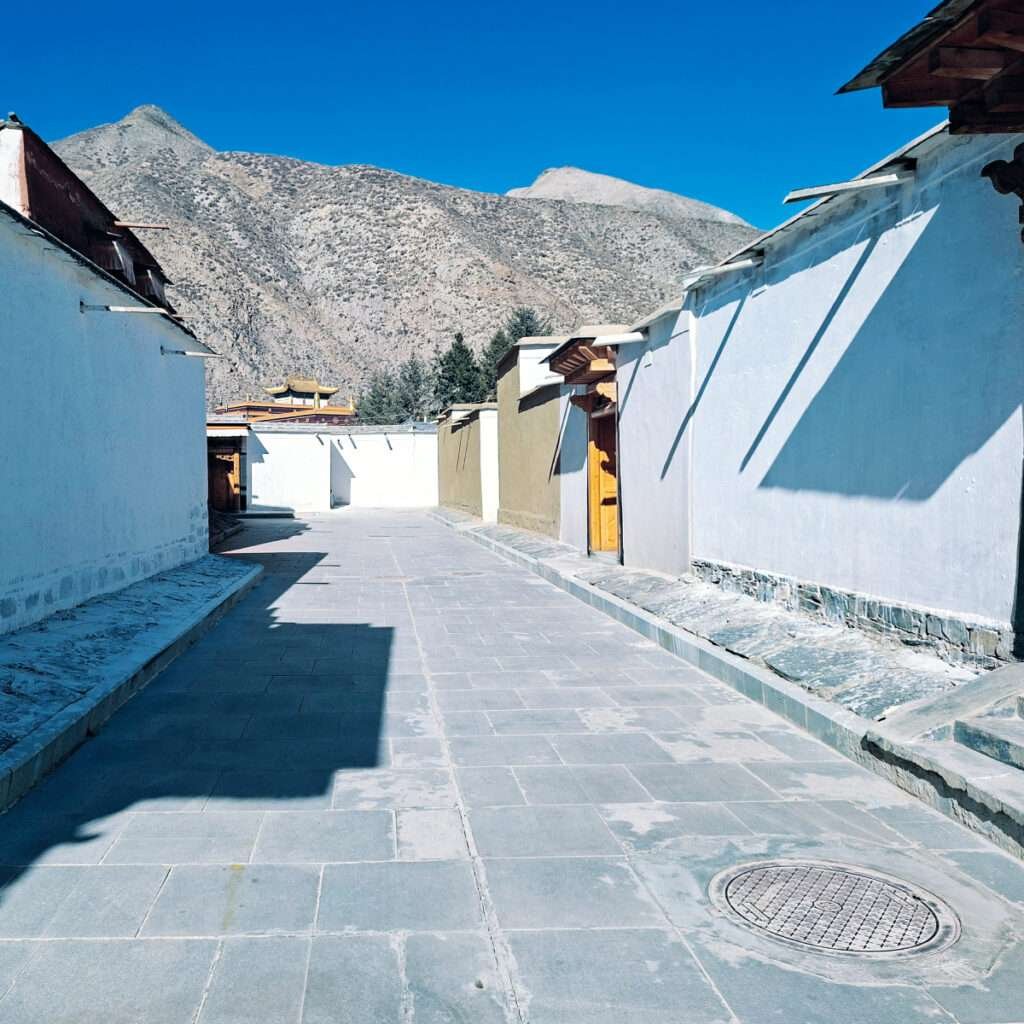
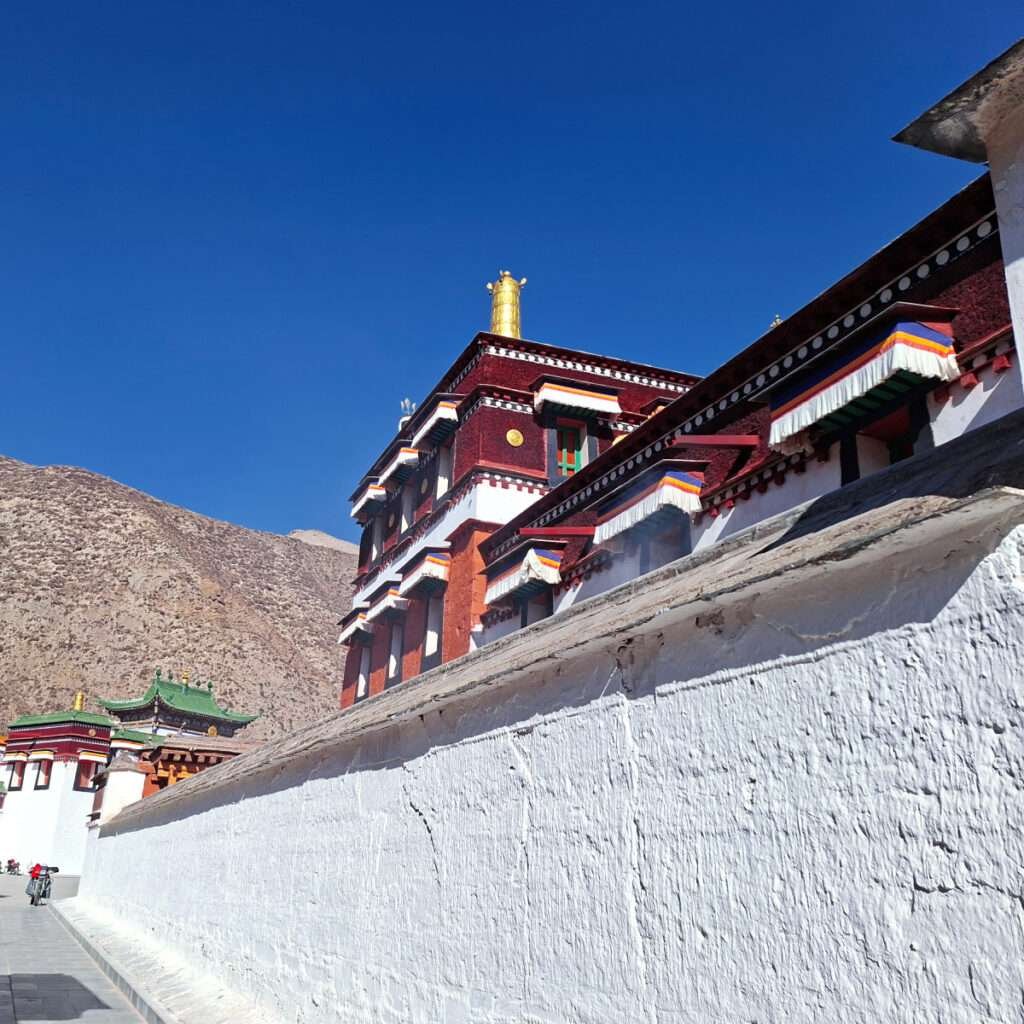
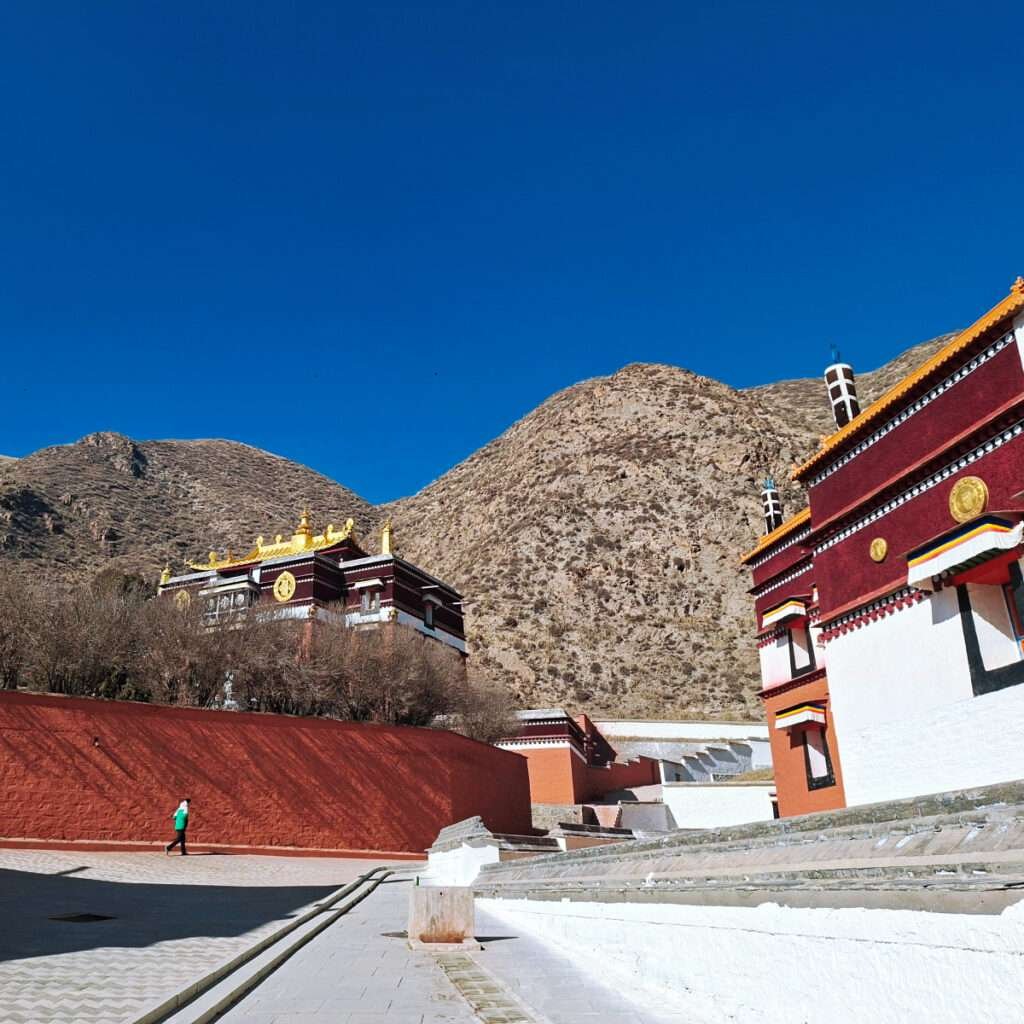
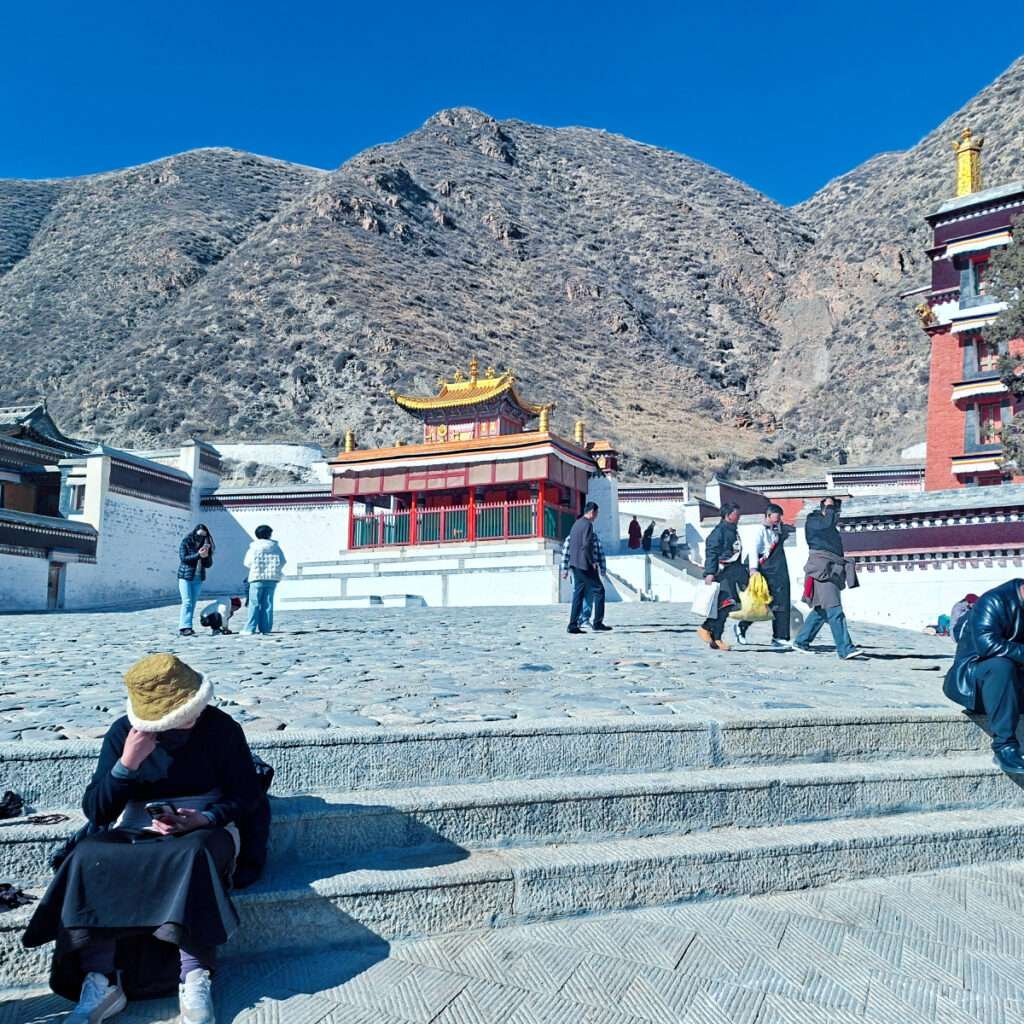
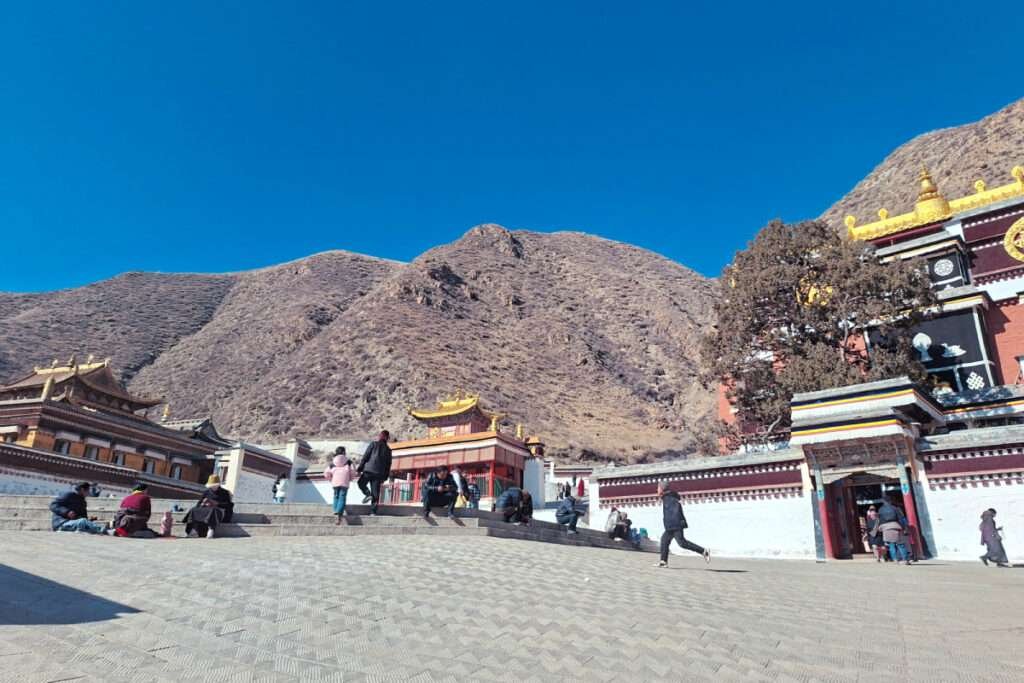
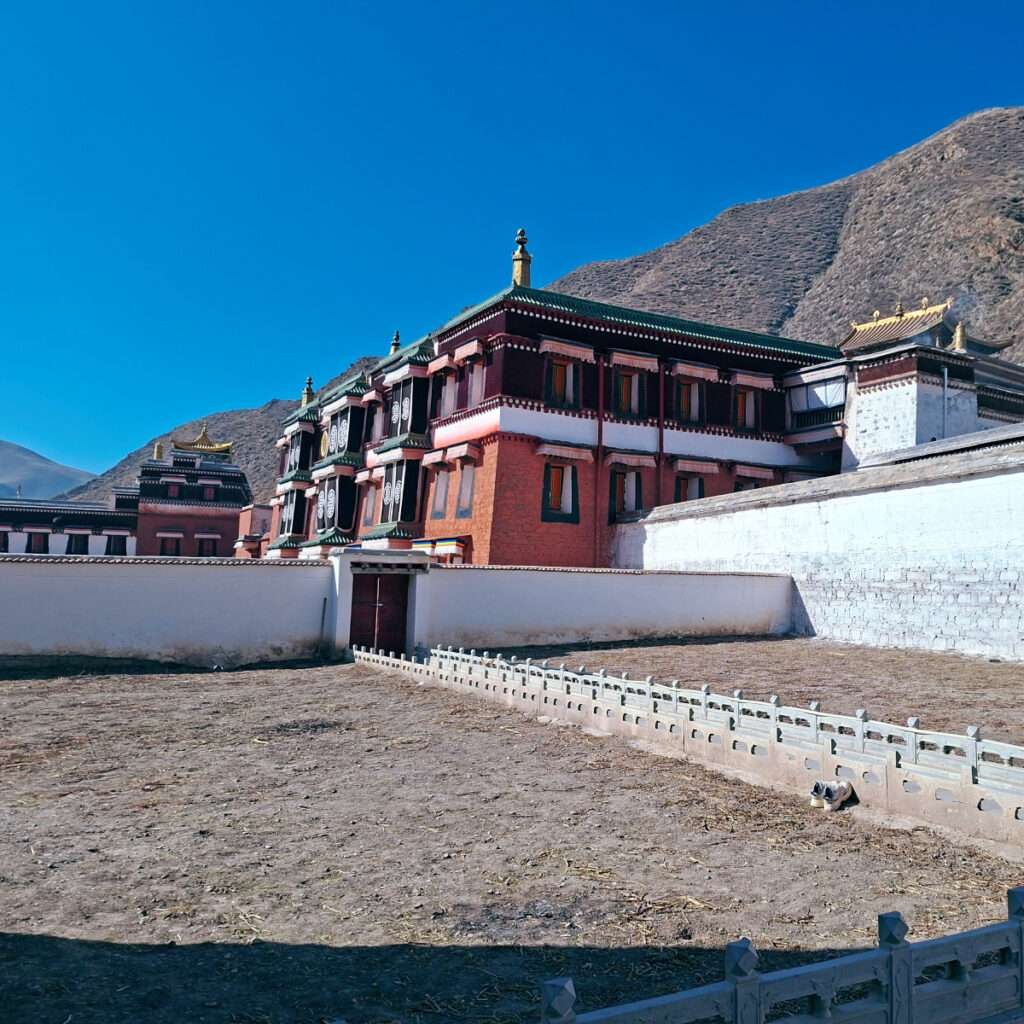
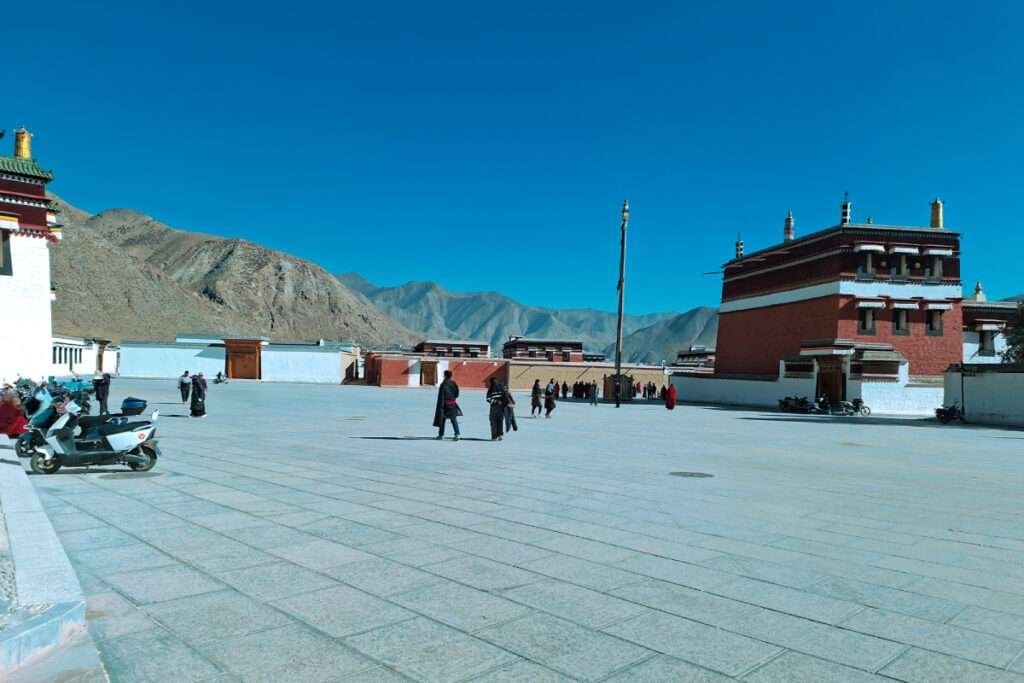
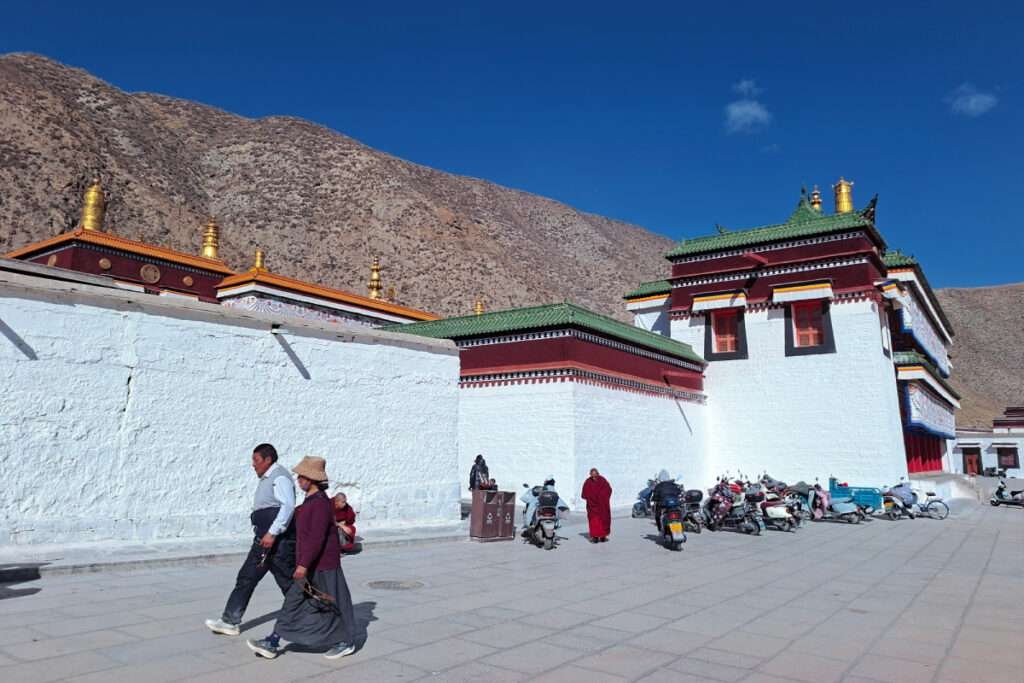
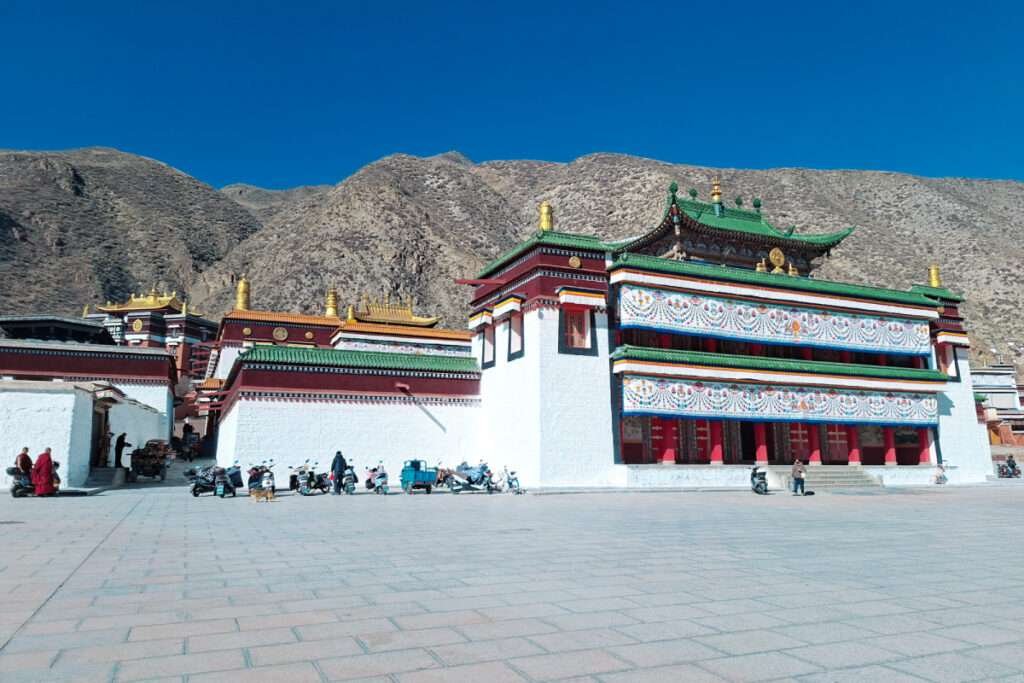
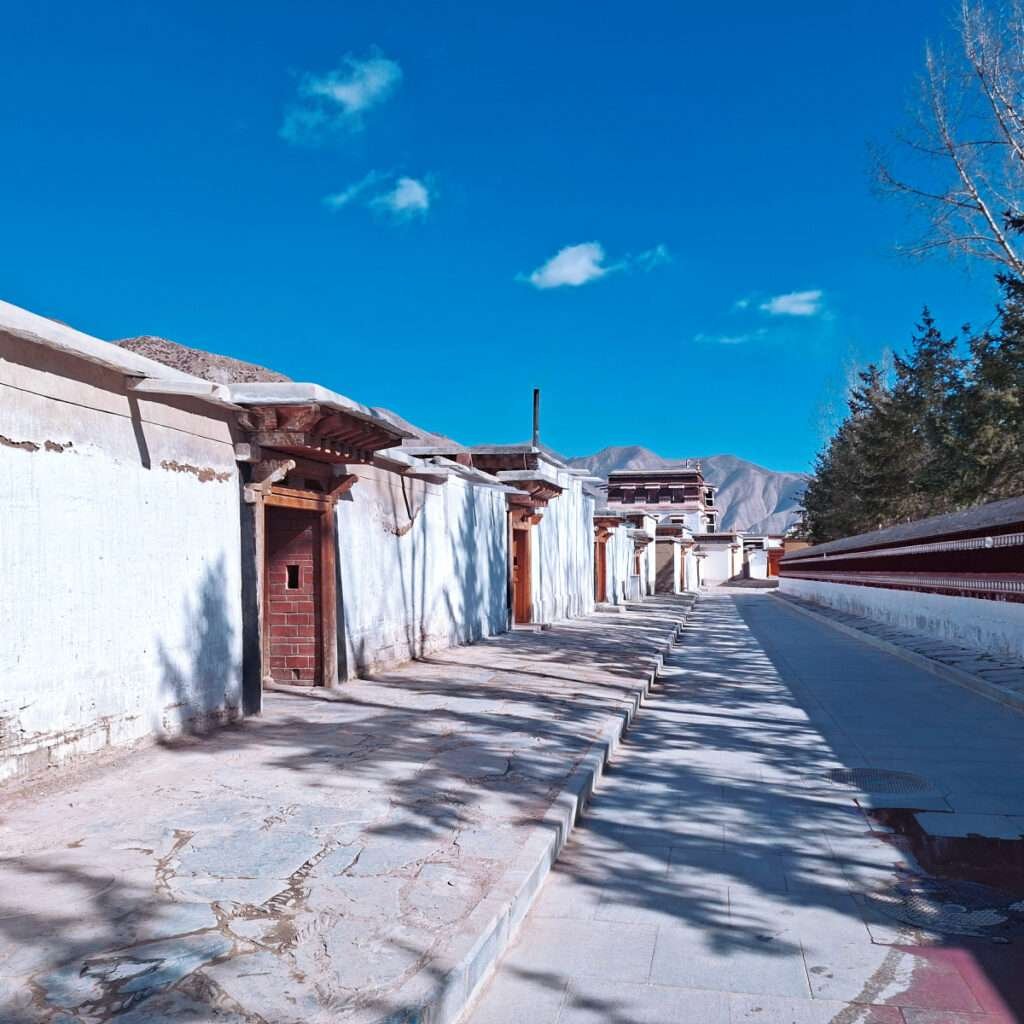
Labrang Monastery is set against a terrific mountain backdrop, and the architecture of the different buildings is stunning.
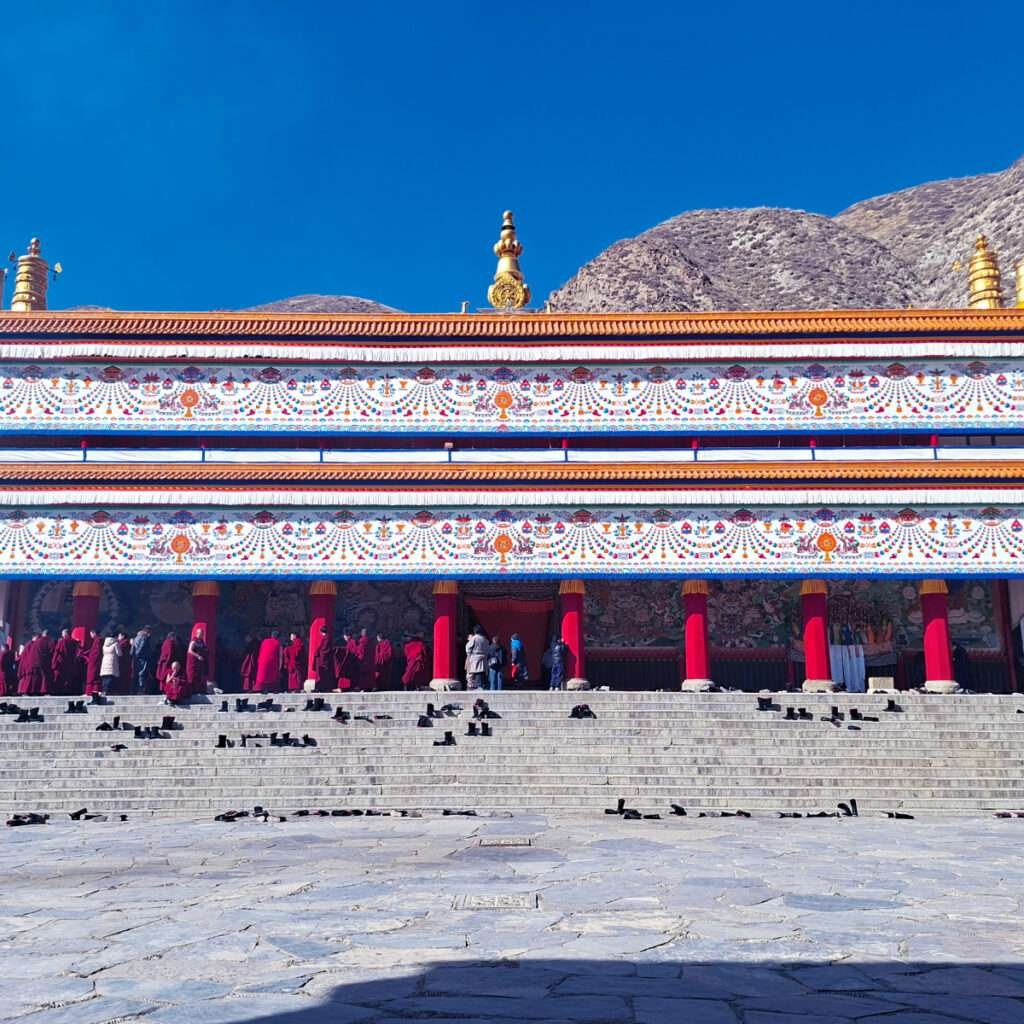
I have always been drawn to Tibetan architecture; it looks so different from what I was used to seeing growing up in Austria, and it is also very different from traditional Chinese architecture.
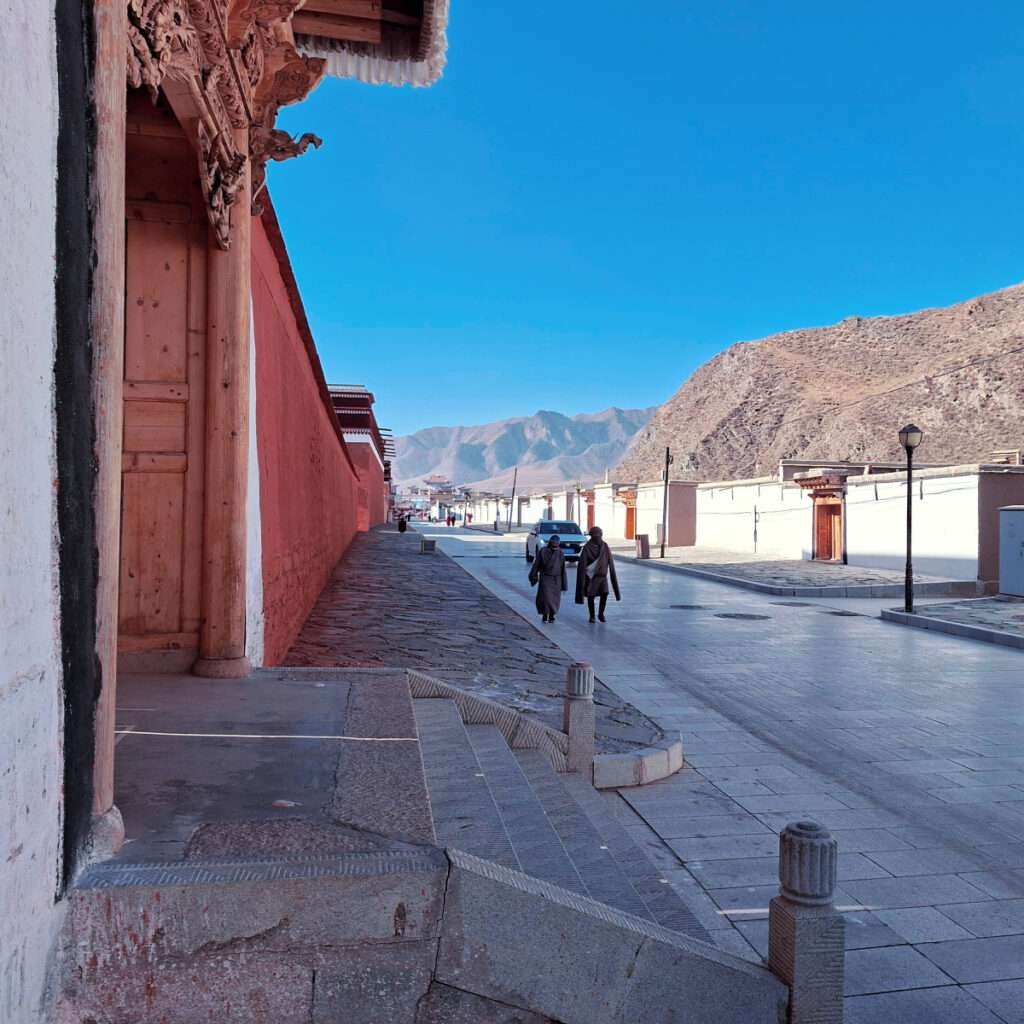
The monastery sits at the foot of Phoenix Mountain, majestic and proud, and shines like a jewel.
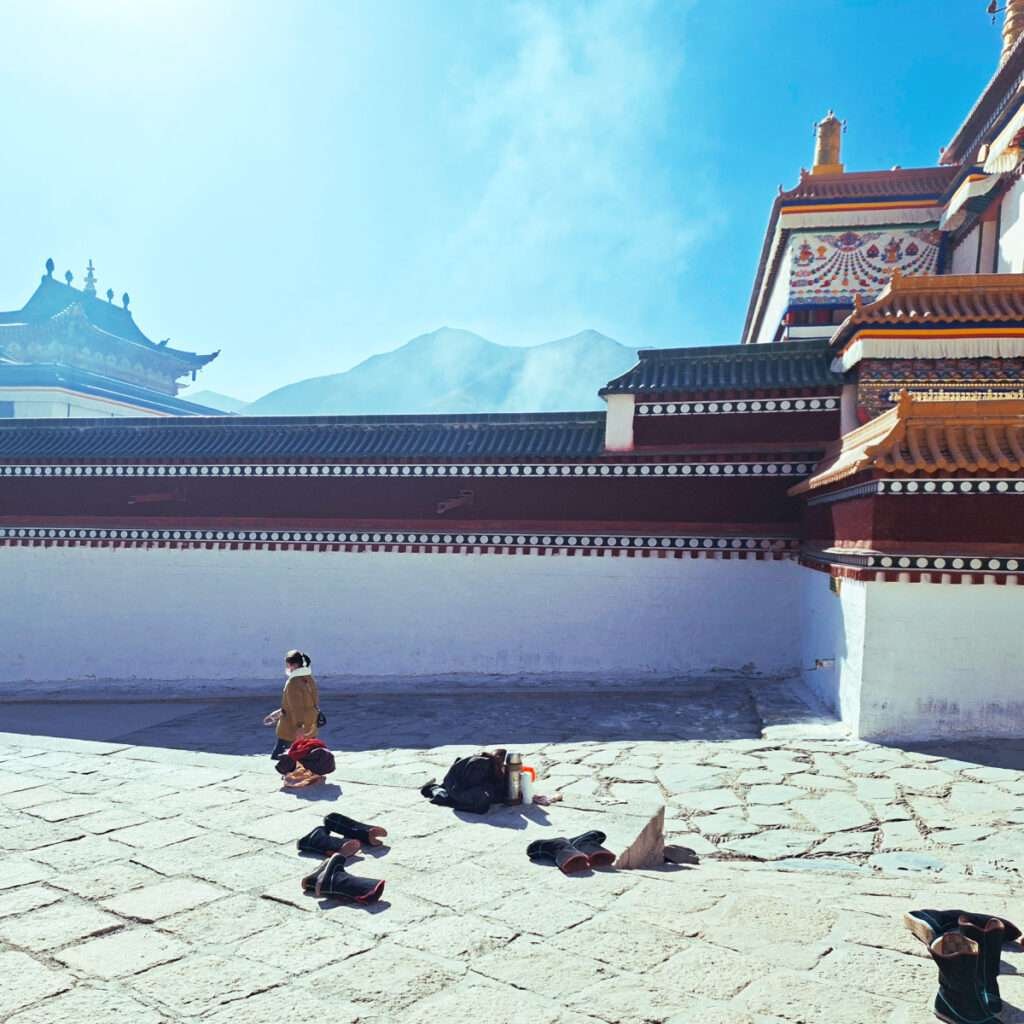
Arriving at the site feels sacred and special, as not many people make it there.
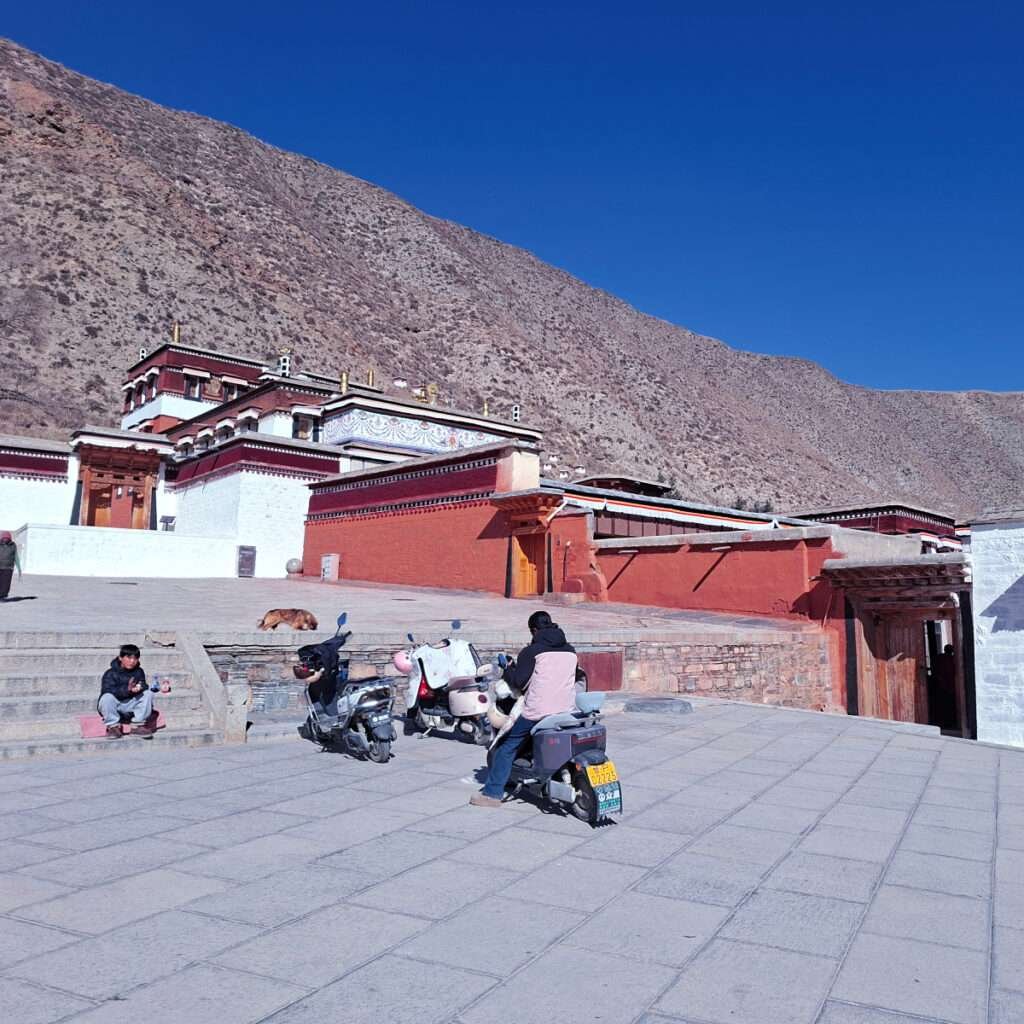
This may be different in summer, but when I visited in February 2026, there were not many visitors.
I paid a driver to take me from Xining to Labrang Monastery, and since it is located at a relatively high altitude of 9,500 feet (2,900 m) above sea level and I have always been sensitive to heights, I knew I could only stay for a short while before heading back to Xining.
My train to Lanzhou was leaving later in the evening, but I still had enough time to visit the monastery, see the rooms where monks stayed, and take in the atmosphere.
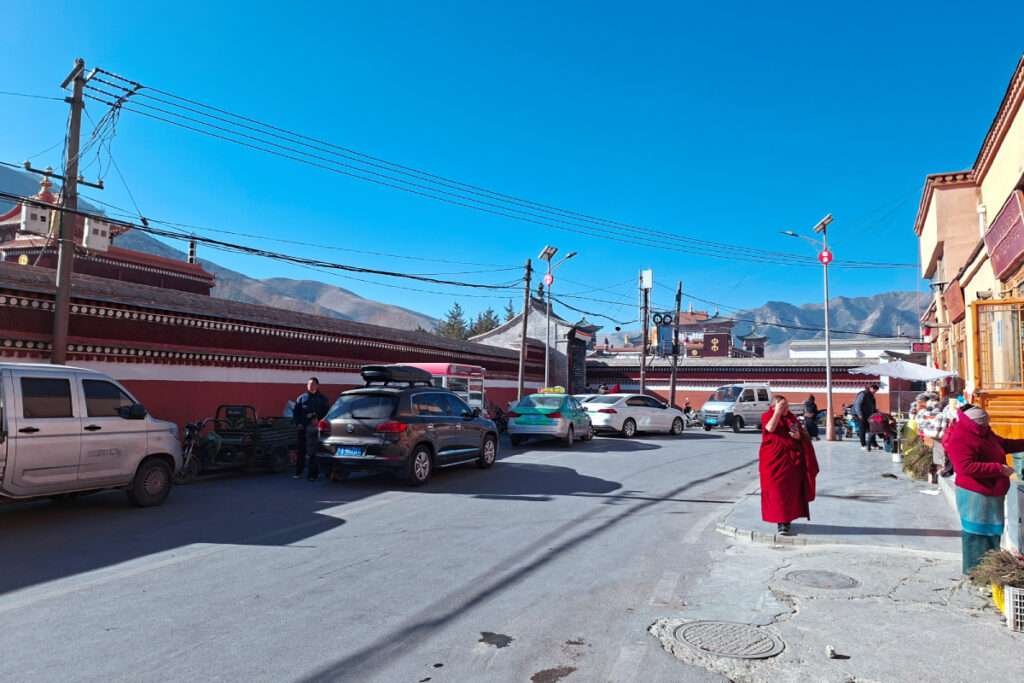
Many monks were walking around in red robes, and many Tibetans could be seen in the area, with some not being able to speak Mandarin Chinese, which is something I haven’t come across frequently in recent years, as most other minorities I encountered were able to communicate with me in Chinese.
Some, such as the Uyghurs, usually had an accent, but we could still communicate with each other in Chinese.
The first thing I did after arrival was find a place to try real Tibetan milk tea, which I did.
The woman did not speak Chinese, and a younger woman interpreted for me. I was served a huge, hot bowl of what looked and tasted like fresh milk with a little black powder at the bottom—the tea in the milk tea, which was not much, but was roasted and added a slightly smoky taste to the milk.
The milk itself was amazing; it tasted so fresh, and I had never tried anything like it.
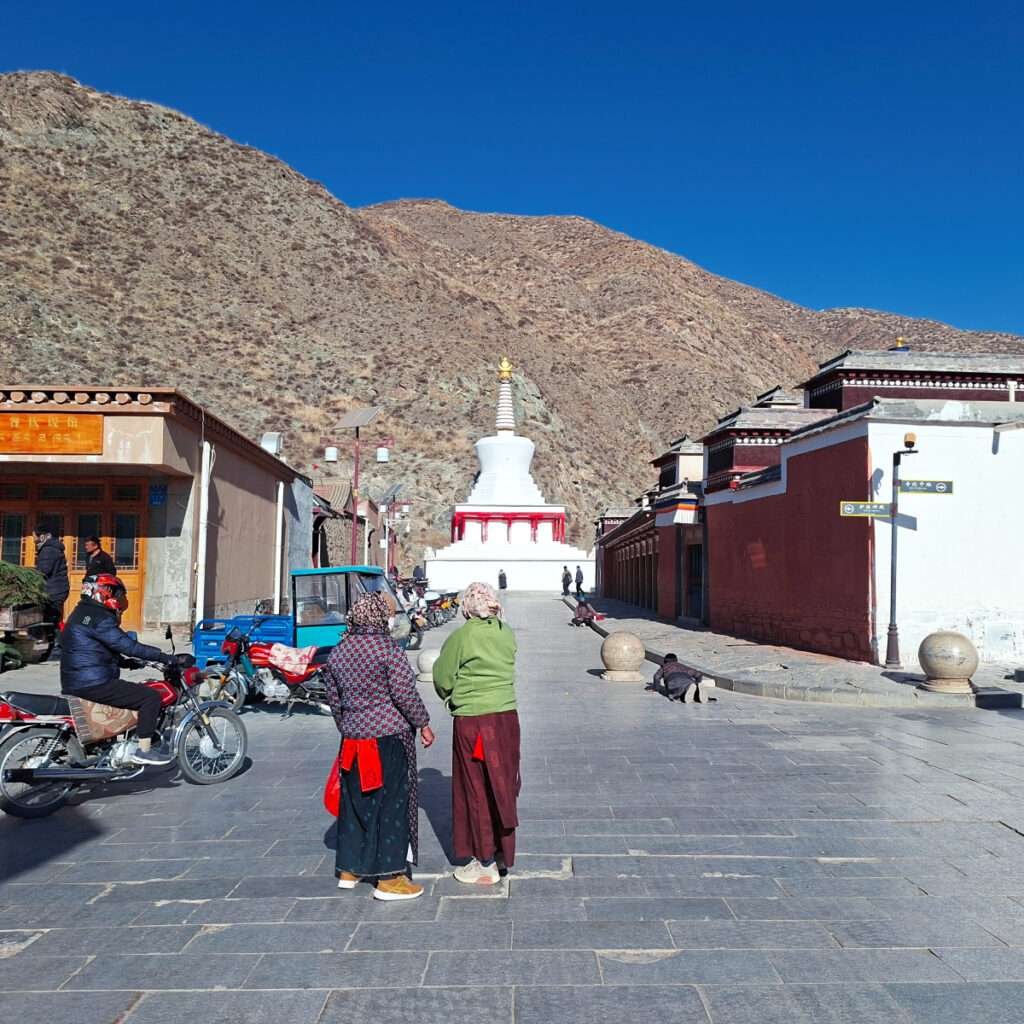
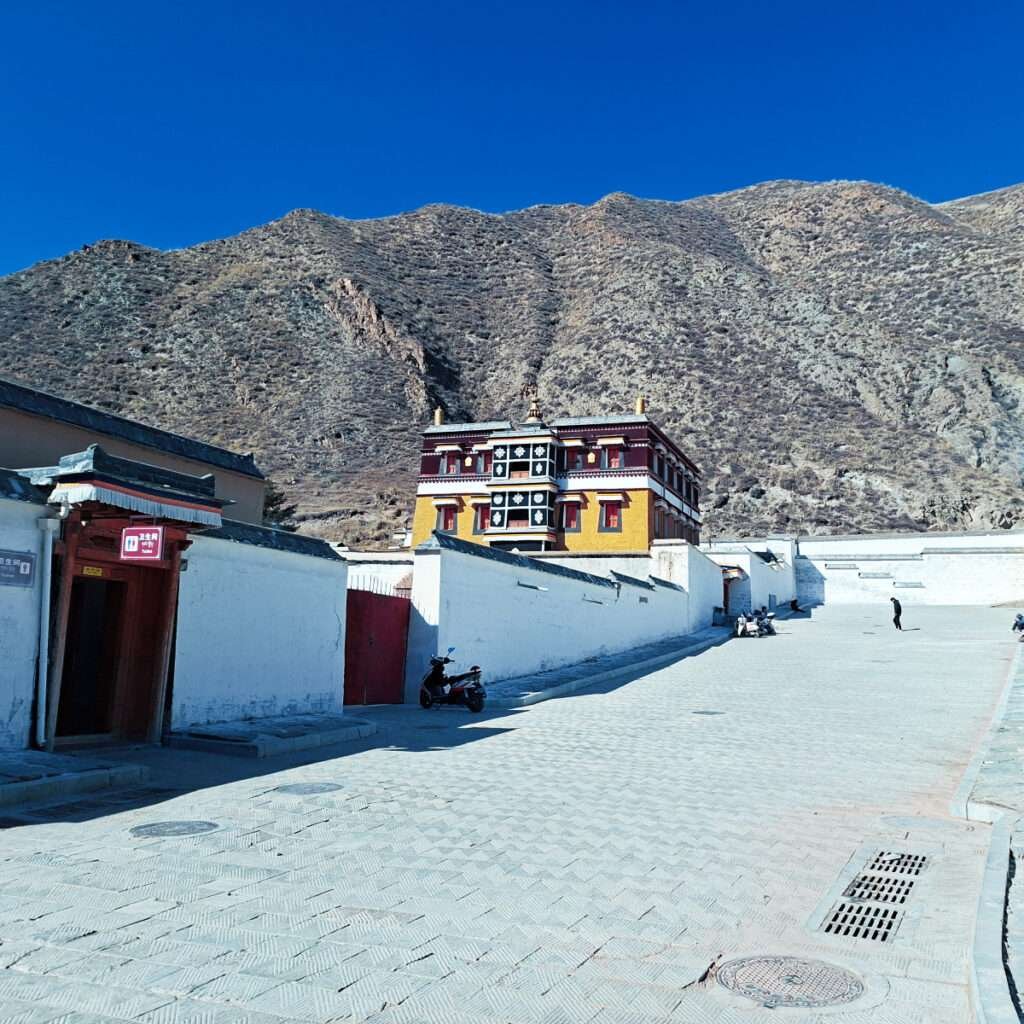
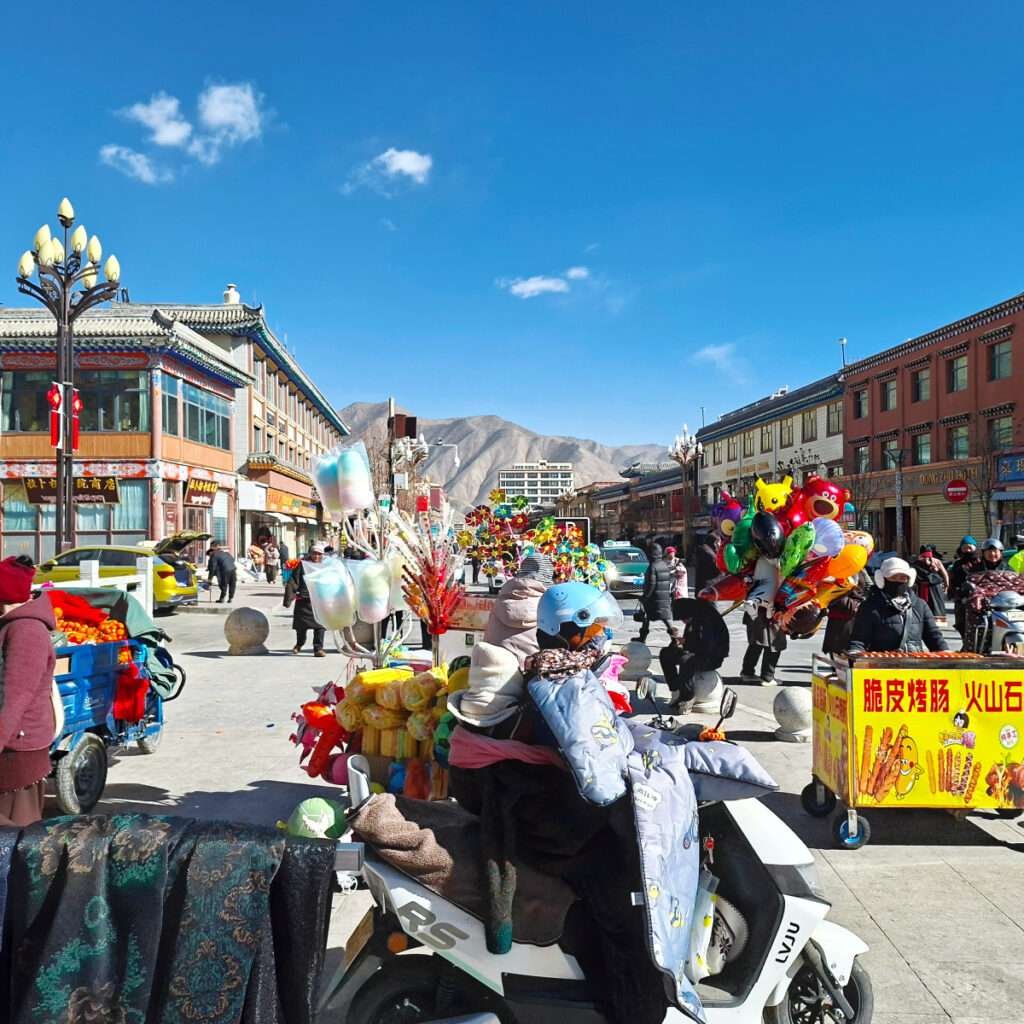
I paid for and bought my ticket to Labrang Monastery and walked along the cobbled streets and colorful buildings.
I did not regret visiting, even though the ride there took a few hours and was not cheap, as I could not find other tourists to share the car and split expenses.
However, this was a destination I had always wanted to visit, and since I was already in the area, I thought I would regret not going.
The landscape on the way there was also majestic: beautiful mountains that were almost untouched by people, with only a few villages lining the road.
Tibetan stupas, small temples, and other buildings dotted the countryside.
Most of the mountains were still in their original, natural shape, and nature felt largely untouched.
Labrang Monastery is an important center of Buddhism and one of the most significant monasteries of Tibetan Buddhism outside the Tibet Autonomous Region.
The monks living on its grounds go there to study Buddhism and stay for several years. Built in 1709, it is one of the six great monasteries of the Gelug school of Tibetan Buddhism.
Two of them—Labrang Monastery and Ta’er Monastery—are located outside the Tibet Autonomous Region (the latter in Qinghai Province), while the others—Drepung Monastery, Sera Monastery, Ganden Monastery, and Tashilhunpo Monastery—are located within it.
The Gelug school is also known as the “Yellow Hat” school. Although monks usually wear red robes (sometimes with yellow scarves draped around their shoulders), during ceremonies they wear high, crescent-shaped yellow hats, which gave the school its name.
Many families move to the vicinity of the monastery if their son is enrolled as a monk-student, as Labrang functions similarly to a Buddhist university where men go to study Buddhism and become monks.
These family members can be seen when walking from the monastery to Xiahe, the town located right next to the monastery.
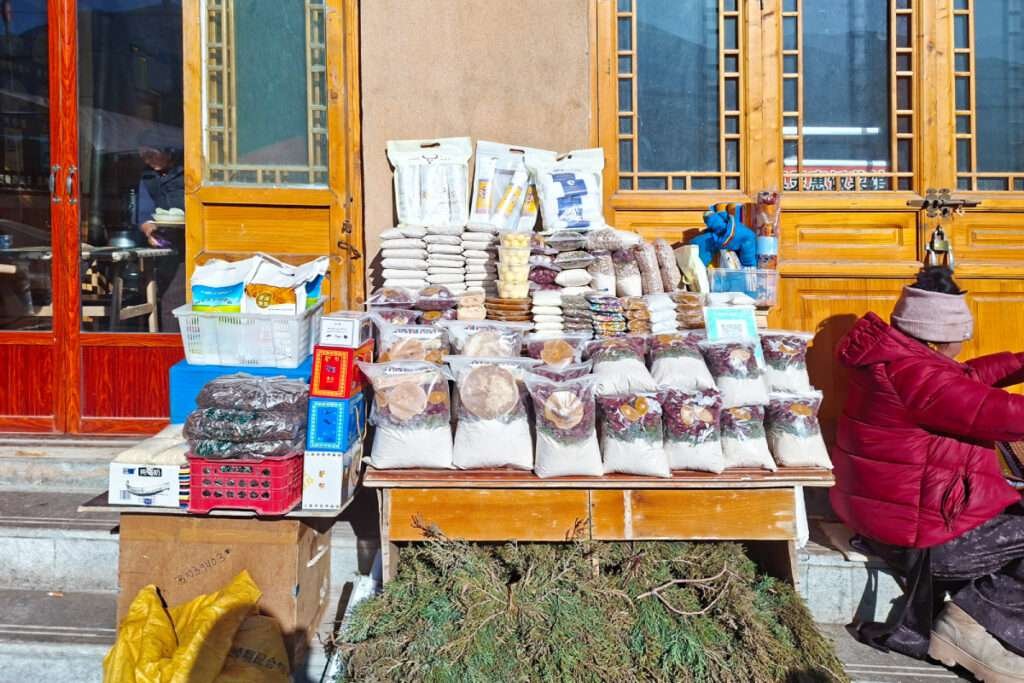
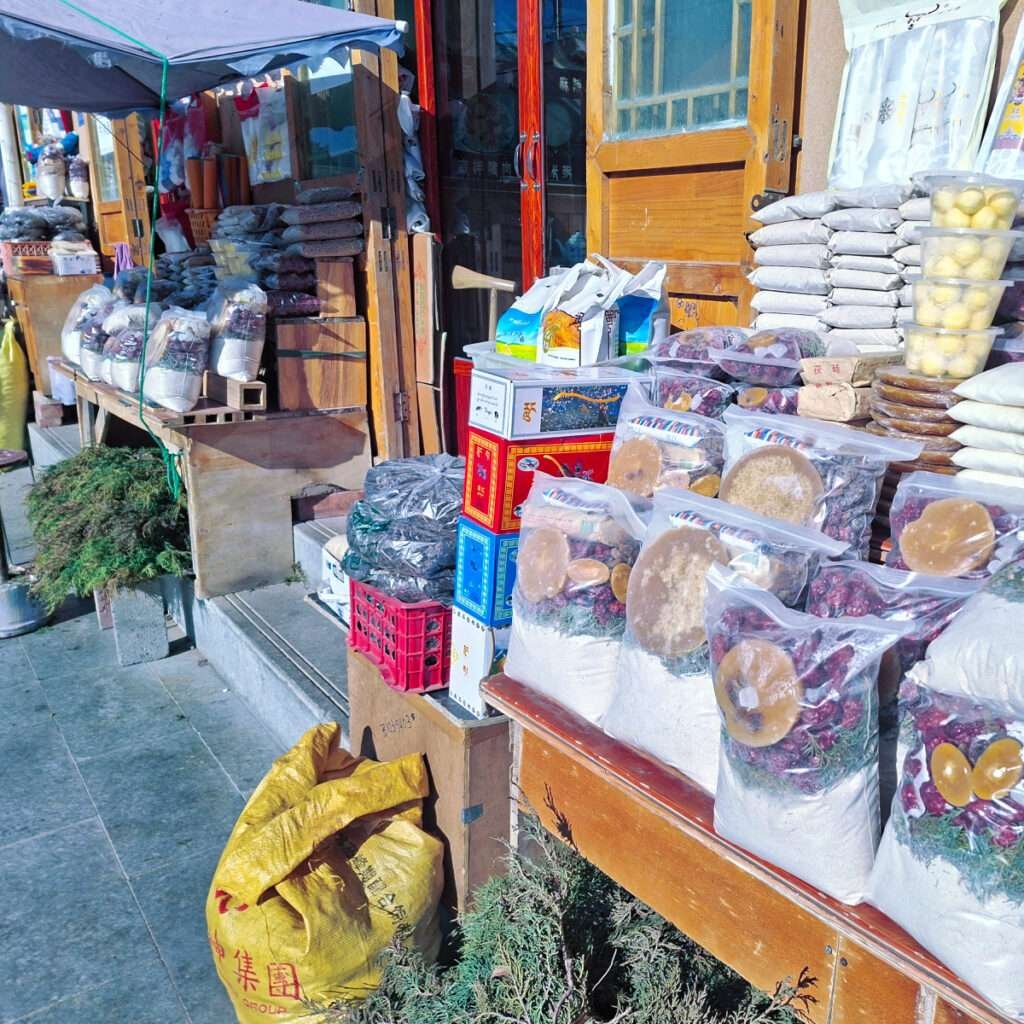
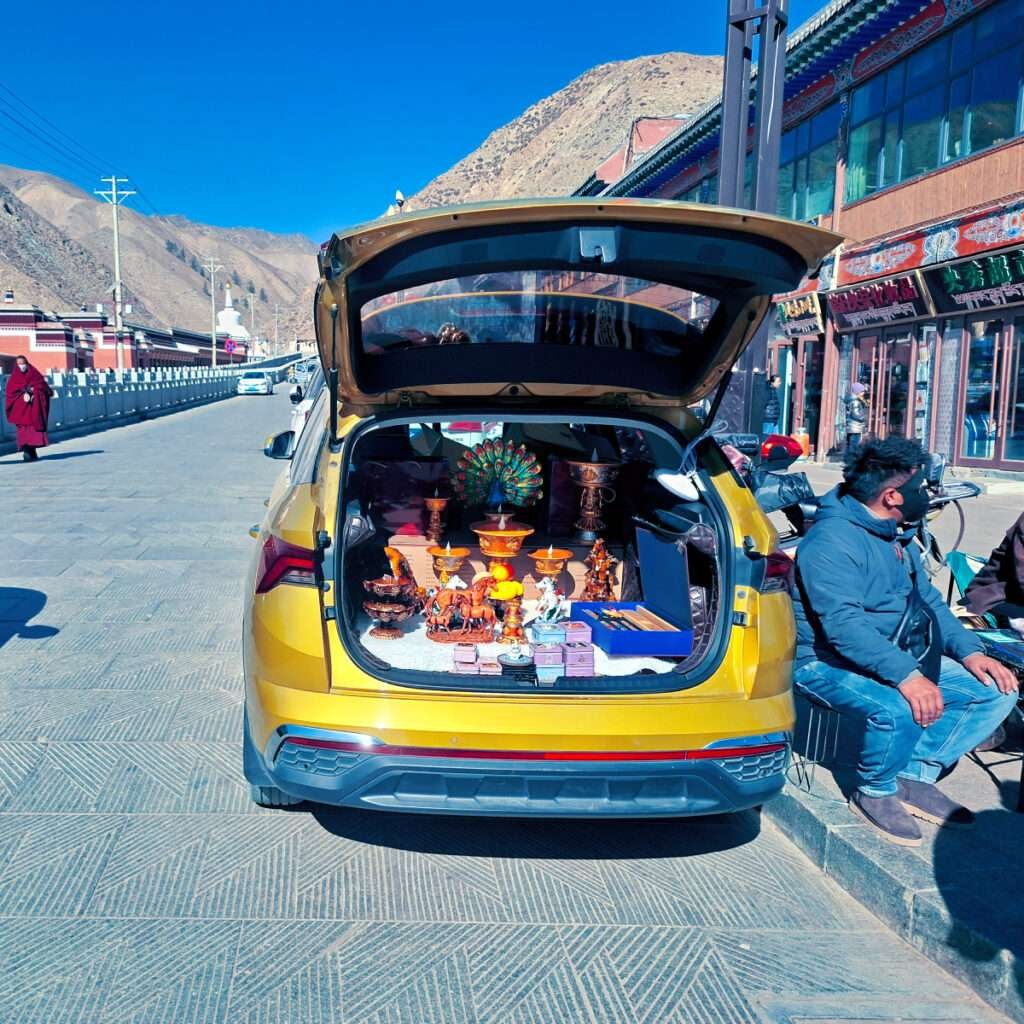
The town features a few restaurants and shops, with sellers offering goods for monks and tourists alike.
I saw some monks eating at nearby restaurants, and the driver and his friend—who took over driving for a few hours when our driver became tired—also visited a small Tibetan doctor, where the driver’s friend received some Tibetan over-the-counter medicine for digestive issues.
I enjoyed my visit very much and would recommend Labrang Monastery to anyone interested in Tibetan architecture and visiting a traditional monastery and Buddhist school.
It is especially suitable for those interested in spirituality, different religions, Tibetan customs, or visiting Tibetan areas outside the Tibet Autonomous Region.
People looking to visit places that are less overcrowded may also enjoy it. However, make sure you can descend to a lower altitude quickly in case you experience altitude sickness.
I am very sensitive to high altitudes, and even during my short stay, I could feel the effects. Make sure to inform yourself about altitude sickness beforehand and take the necessary precautions. Be respectful of local customs and religious practices, and most importantly, enjoy this amazing trip if you decide to go.
Have you ever visited a monastery?