
articles
China Elevator Stories
Dumplings and Yaks: How I Finished my Memoir
I am sharing with you in this post the steps that were needed to finish my memoir.
07/05/2026

Ruth Silbermayr
Author
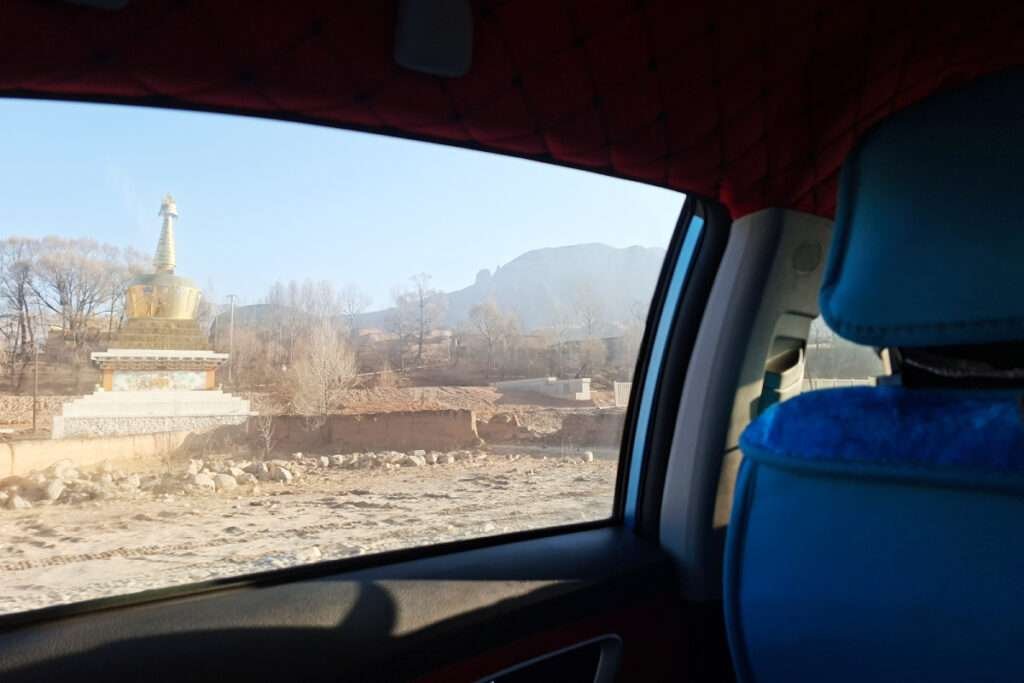
One of the books I have completed a first draft of is titled “Dumplings and Yaks”. This is currently a working title. The book is a memoir that tells the story of my move to China in 2012, my meeting with my ex-husband, and the experiences that unfolded with him and his mother. It also functions as a travelogue, featuring stories from many different regions across China, as well as historical context, which is a particular interest of mine.

So far, creating this book included the following steps:
1. Traveling
This is something I did coincidentally. I traveled to a lot of places in China, which are all featured in the book. China offers many enticing places, and I have always enjoyed discovering new ones. Living life means exactly that to me: taking the chance to travel and get to know people across the country. It is a great country to travel around, particularly if you are visiting places that are a bit more off the beaten path.
2. Researching history
Though I studied Sinology and Chinese history during this time, there is always more about history that one can learn. I had to research more history, exact dates of events, birthplaces, and people’s lives. I also went to one museum (in Harbin) to conduct research for my book. I enjoy reading about Chinese history, so this part came naturally to me.
3. Writing the individual chapters
I didn’t write every chapter in chronological order, but I started with the first one. Sometimes I would skip to another chapter and write part of it, then switch to yet another chapter if writer’s block occurred, if I needed to do further research before completing a chapter, or if there was sufficient creative flow to work on a different section.
4. Editing details, spelling, grammar, and revising the whole book several times
This was the next step. I went through the book a few times to correct spelling mistakes, edit details, decide whether to keep or remove certain parts, or adjust them so they fit better into the overall narrative.
5. Contacting other authors who wrote blurbs for the book
I contacted a few authors, including Susan Blumberg-Kason, Jocelyn Eikenburg, Nicole Webb, and Nicki Chen, who agreed to read the book and write a blurb. A blurb usually appears on one of the first pages of a book and lets readers know what others thought of it. I am very grateful that these terrific authors agreed to write blurbs for my book. Here is what Susan Blumberg-Kason wrote about it:
Ruth Silbermayr has crafted a sweeping account of China through both a personal and historical lens that is all the more impressive because she’s suffered great personal loss as a mother whose children were taken from her by her ex-husband. I wish I had Silbermayr’s book when I was trying to navigate my own way in China decades ago. For anyone who enjoys travelogues, stirring memoirs, and layered history narratives presented in ways that are easy to understand, you will cherish and remember this book for a very long time.
– Susan Blumberg-Kason, author of Good Chinese Wife and Bernardine’s Shanghai Salon
6. Then I was basically done and started contacting publishers and literary agents
So far, I have only received rejections, which is common. Some publishers were interested in publishing my memoir for an upfront fee paid by me, but these are publishers that more professional ones advise authors to avoid (not that I would have been able to afford such a fee, since it can be rather high). I often did not know in advance which publishers would charge such a fee, so I could only find out once they contacted me. As an author, it is generally recommended not to pay such fees, since traditional publishing does not require an author to do so. Many authors have to contact a large number of literary agents or publishers before receiving a yes, and waiting for responses usually also takes a few weeks, as literary agents and publishers need to read the manuscript before getting back to you.
Receiving many rejections is even common for well-known authors, some of whom have shared that they received a large number of them before finally finding a suitable literary agent or publisher who agreed to publish their book.
So while waiting, I worked on other books or edited existing ones when I had time. I didn’t have a lot of time, but I tried to focus on writing when I was in Changchun and didn’t have to teach classes, or when my children were with their father on Saturdays.
The manuscript consists of 29 chapters and is over 83,000 words in length. It still requires editing prior to publication, and the publishing process, if successful, will likely take some time. At present, I have not yet found a suitable publisher.
The following are the current chapters:
- Author’s Note
- My Chinese Mother-in-Law
- Shenzhen: From Fishing Village to Tech Capital
- Chikan: Among Diaolou and Riverside Streets
- The Language That Called Me
- Kunming: Adventures in a City of Many Peoples
- Journeys on the Ancient Tea Route
- Nanshan District: Life, Love, and Urban Transition
- Asia’s Fragrant Harbour
- Tonghua: A Rainy Afternoon
- Changbai Mountain: Where China Meets Korea
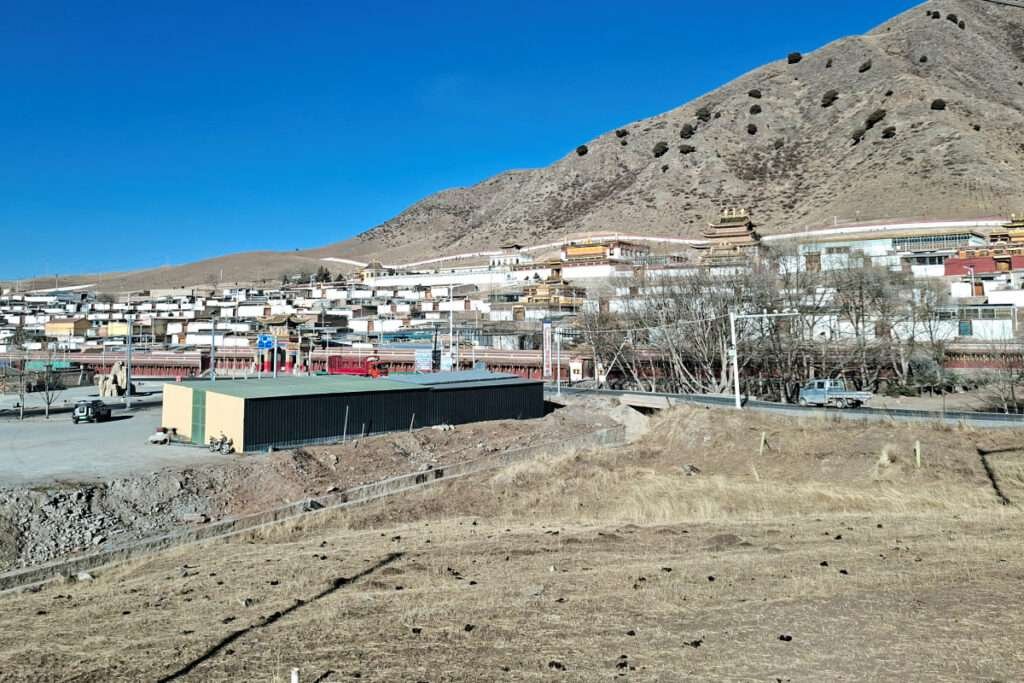
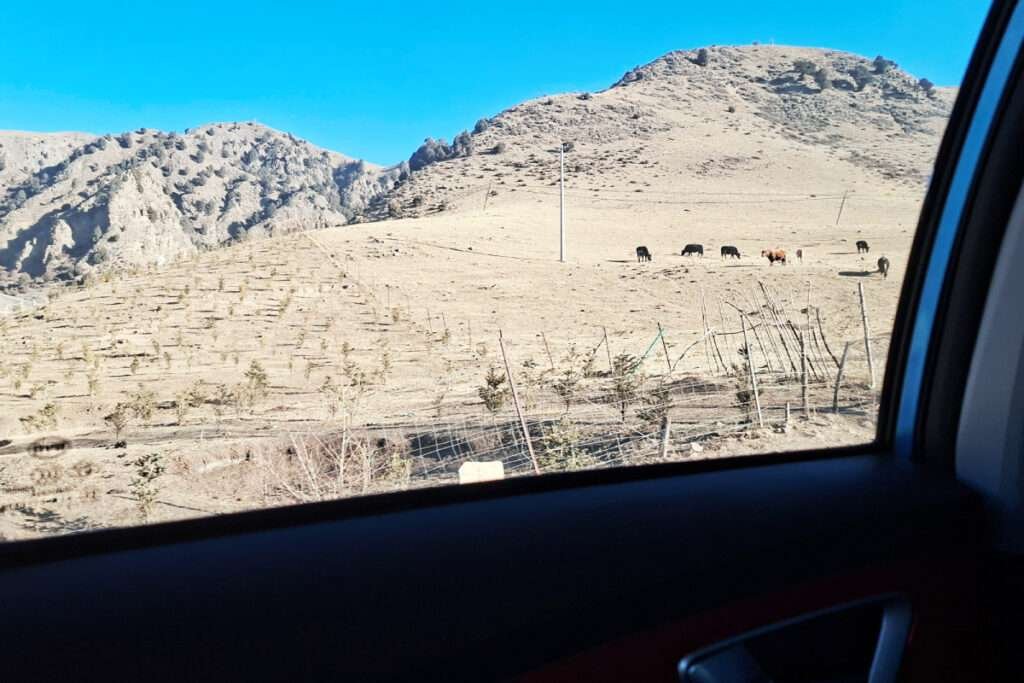
- Tibetans, Grasslands, and Monasteries
- Phoenix Village: Life Between the Fields
- Milk Tea and Mutton
- Turpan: Deserts and Grapes
- Kashgar: Life in an Ancient Oasis
- Christmas in Northeast China
- Siping: East and West of the Rails
- Ji’an: Spring at the Border
- Changchun: Seat of the Last Emperor
- A Quiet Stay in the German Countryside
- Lost Connections
- Jinan: City of Springs
- Tai’an: Work, Travel, and Chinese Herbs
- Northeast China: Between Modernity and Tradition
- Dandong: Across the River from North Korea
- Shenyang: Where Manchu Heritage Meets Modern Life
- Harbin: Jewish Immigrants and Japanese Occupation
- Acknowledgements
Have you ever published a book?