
articles
China Elevator Stories
The West Loves Coffee, China Loves Tea
Milk tea has become very popular among young people in China.
31/01/2025

Ruth Silbermayr
Author
Inner Mongolia is famous for its milk tea, a traditional drink consumed by Inner Mongolian nomads (and Mongolians in Mongolia as well). It is made by cooking black tea with milk—often from different animals, depending on what a family owns, such as cows, sheep, or camels—and salt. This tea is usually drunk daily.
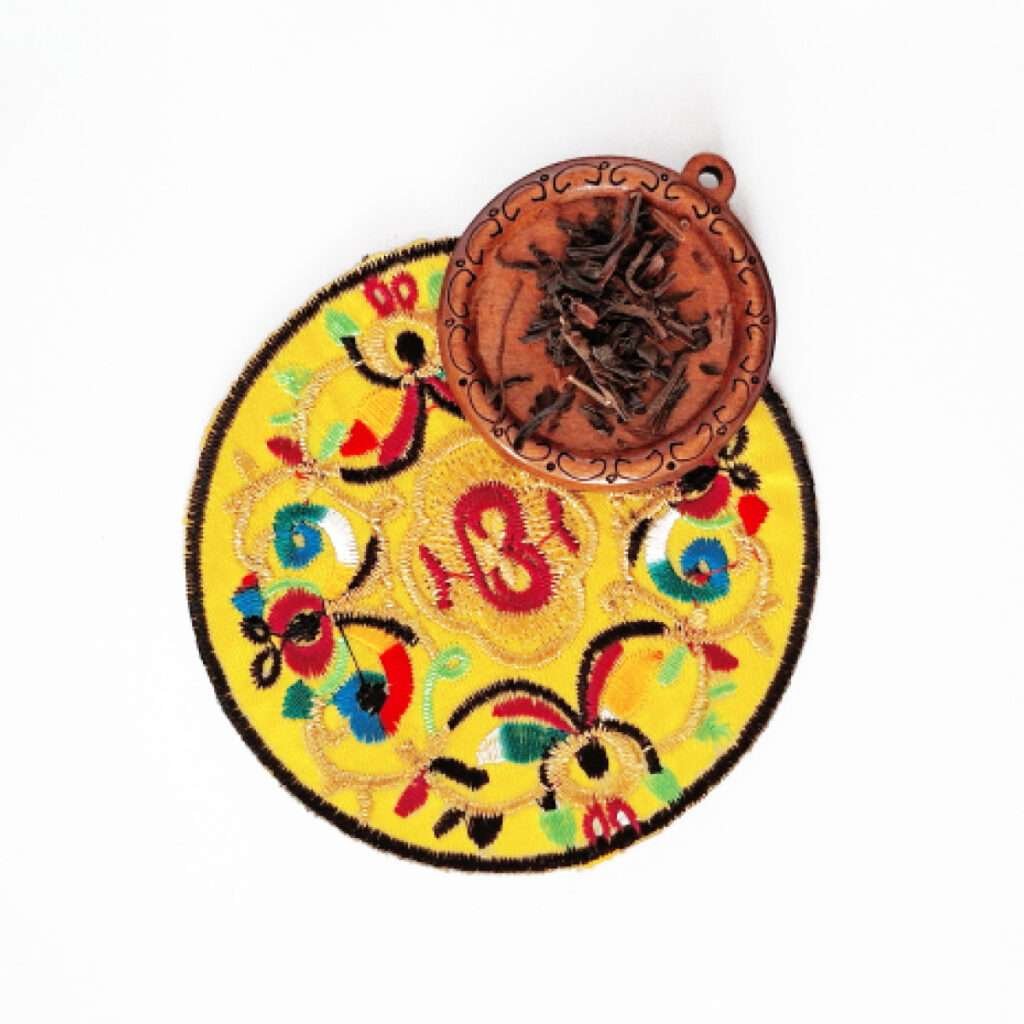
In recent years, milk tea has become so popular in China that you can find it in every city, at least the larger ones, while smaller cities also tend to have contemporary tea houses. However, the tea that has become popular nationwide is not the traditional Inner Mongolian milk tea, but rather “modern milk tea.” Some say it is derived from Hong Kong milk tea, which is also well known in a place where people regularly drink milk tea. In Hong Kong, milk tea is made from black tea and milk (usually cow’s milk) and is often sweetened with sugar.
Modern versions of milk tea can contain many different types of tea. One version sold at Starbucks is made from black tea. Another popular option is a “tea latte” made from hojicha, a Japanese variety of sencha made from roasted tea leaves. What would normally be green tea turns a brownish color once roasted and combined with milk.
Milk tea sold in Chinese tea shops may also contain matcha, the powdered green tea from Japan. I have even seen combinations of coffee and jasmine tea at some stores. Many drinks include bubbles, like bubble tea, along with other creative additions.
I don’t regularly drink milk tea from these shops, so I’m not familiar with all the flavors available. However, I often see Chinese people carrying milk tea with them everywhere. Many spend a lot of money on their favorite drinks, and buying milk tea has become a popular pastime among young people in China. It’s common to get milk tea on a date, take one along when heading to an appointment, or meet friends at a milk tea shop to sit and chat. This is quite similar to how Westerners drink coffee at cafés.
Yesterday, I visited a milk tea store called Chagee, and the interior looked just like a café. Since I had to wait for about an hour, I decided to check it out. I ordered a matcha latte, which tasted great and was cheaper than what you would pay at Starbucks. To be honest, Starbucks’ matcha latte doesn’t taste as good—the one I had yesterday truly tasted like it contained a generous amount of matcha powder. I would have ordered a matcha without milk if it had been on the menu, but since it wasn’t, I chose this milk tea option instead.
The drink originally cost 18 yuan but was on sale for 16, making it a cheap Starbucks alternative.
Have you ever tried Chinese milk tea?