
travel
China Elevator Stories
Rock Art in the Helan Mountains, Ningxia Province (China Travel)
The Helan Mountains are a beautiful natural sight and a gem you should definitely visit.
01/02/2026

Ruth Silbermayr
Author
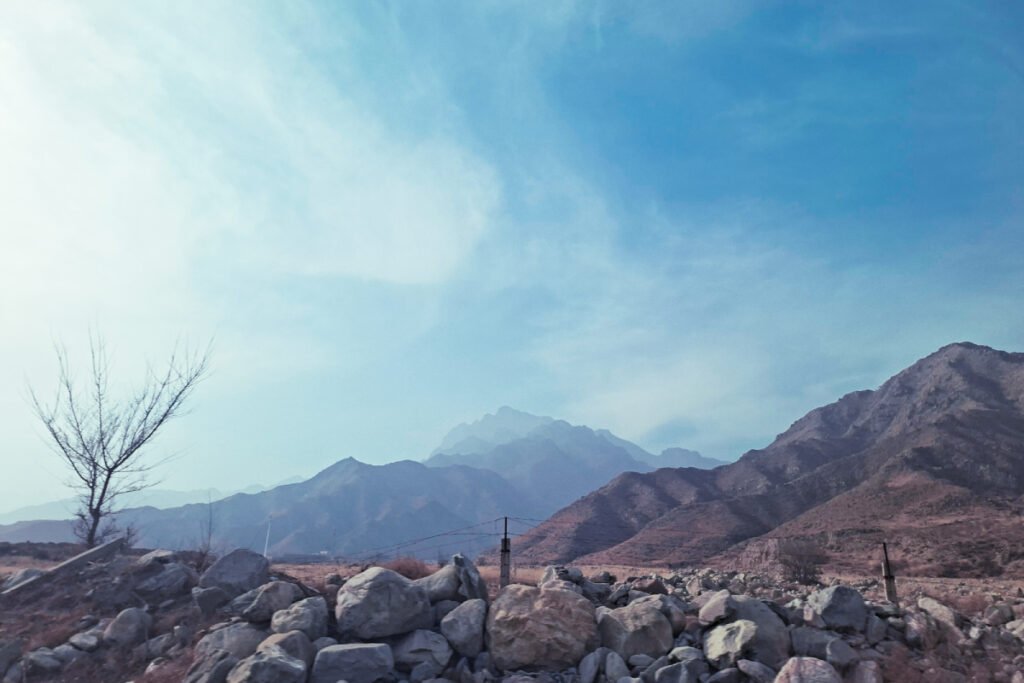
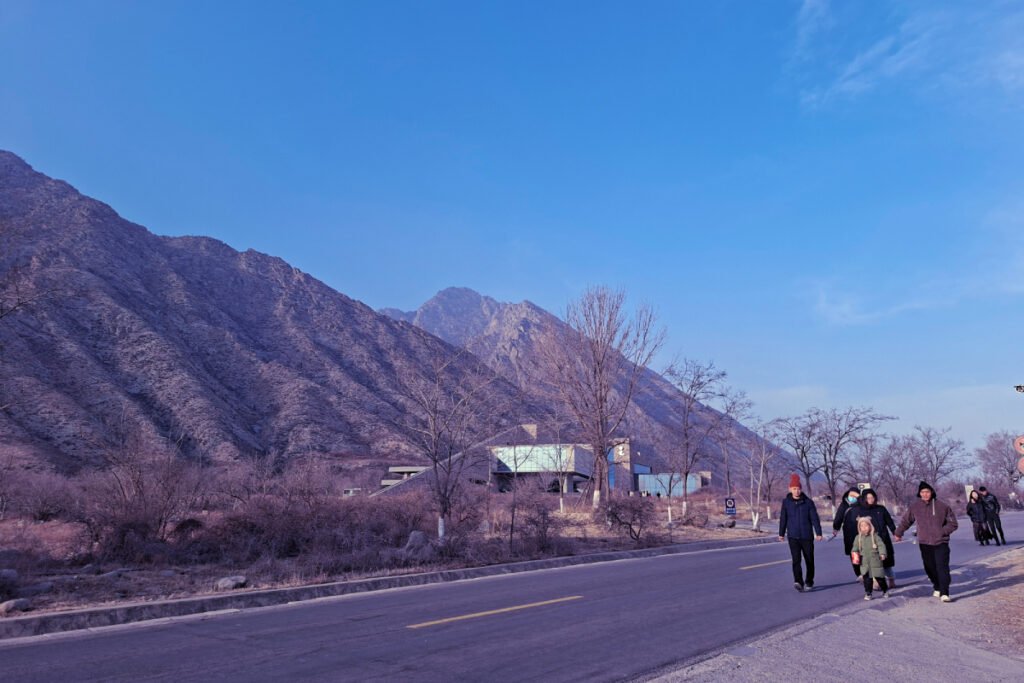
The Helan Mountains stretch from Inner Mongolia to Ningxia and reach about 3,556 metres at their highest point, though near Yinchuan they are approximately 2,000 metres high. The mountains can be easily reached from Yinchuan, the capital of the Ningxia Hui Autonomous Region in western China. I took a cab to get there, which took about an hour.
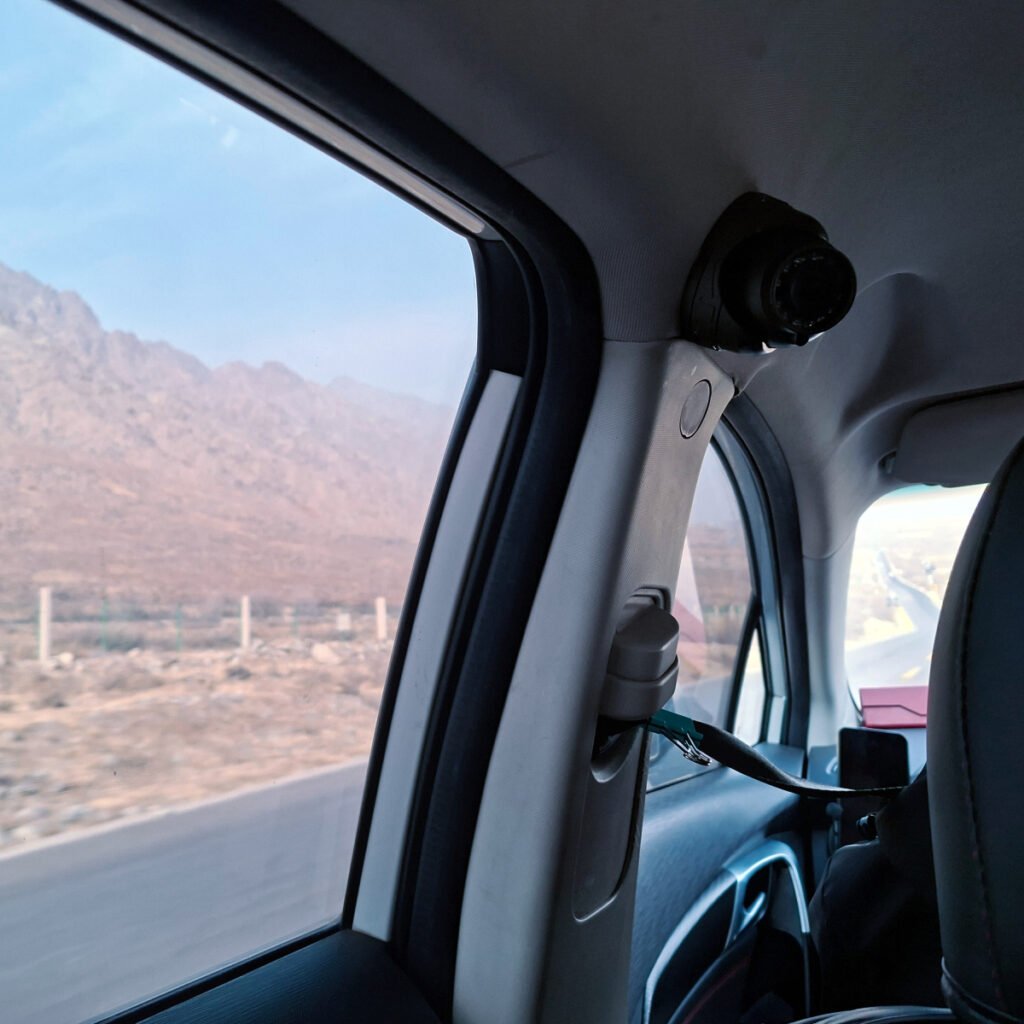
Beware of Ningxia’s cab drivers, as some use various tricks to try to get more money from passengers. Keep in mind that you may sometimes have to pay extra to keep the peace, which is what happened to me on a few occasions. Apps commonly used to hail cabs may also charge more than the advertised price, so don’t rely on the displayed fare being accurate. In my experience, Yinchuan cab drivers are not always the most honest, but if you remain aware of this, you can easily reach various destinations, including the Helan Mountains and the Western Xia Imperial Tombs, by cab.
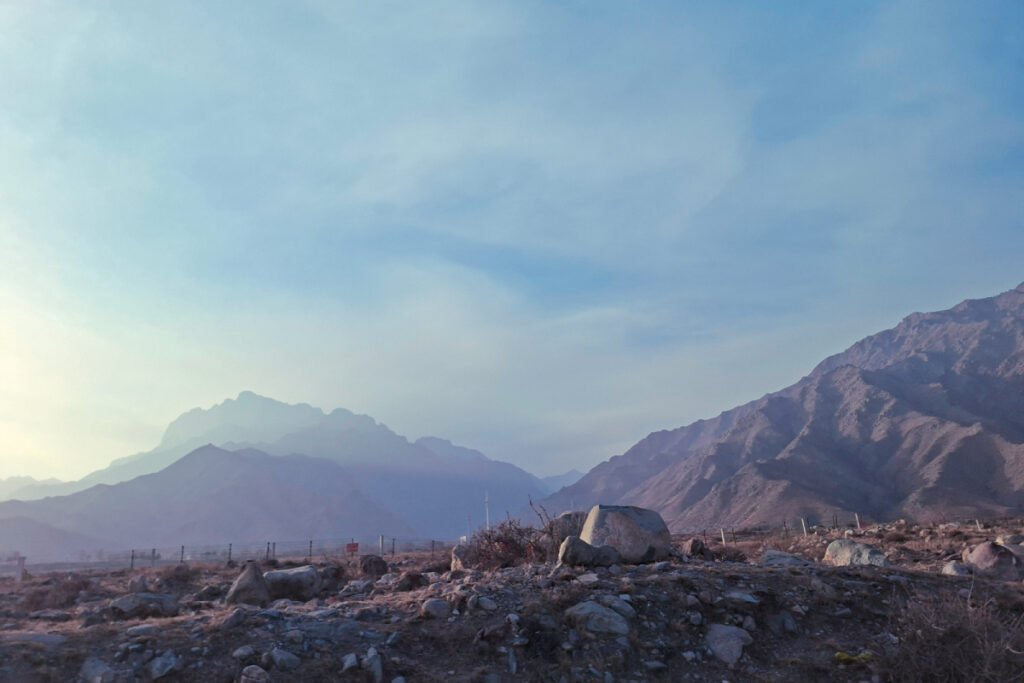
A cab ride to the mountains cost me approximately 60 yuan (though it was initially advertised at a reduced price of 46 yuan), and the ride back to my place cost 70 yuan. The driver had first said he would take me back to my hotel for 40 yuan, but after we arrived, he claimed I had heard incorrectly and that the price was 70. Since I didn’t want to deal with an aggressive driver, I simply paid the remaining 30 yuan to stay safe. I am quite sure I heard correctly, but it is always better to prioritize your safety.
Visiting Helan Mountain and the rock art costs another 60 yuan, and taking a small tourist train within the area to reach the rock carvings and a museum costs another 10 yuan.
Yinchuan is often advertised online as a safe city, but in my experience, there seem to be some safety concerns. On my third day in Yinchuan, I went to a McDonald’s in the city centre near the Drum Tower to get a coffee for 10 yuan and sit down to relax for a while. When I left to hail a cab to go to the Haibao Pagoda, I saw a person lying in the street on a side street near McDonald’s, in front of a restaurant, covered with a blue plastic sheet, suggesting that the person had died. Many heavily armed police officers were in the vicinity, as was an ambulance, and I watched as the police carried a dark green fabric banner stating that people were not allowed to take pictures. It must have been around noon, since I ordered my coffee on the McDonald’s app at 11:10 a.m. and hailed a cab at 12:58 p.m. The incident happened yesterday, on 31 January 2026.
I don’t know what happened, but with 30–40 heavily armed officers surrounding the body, it appeared to me that the person may have been murdered, or at least that was how the scene looked. If a violent crime does occur, in my experience China tends to deal with such cases efficiently, and avoiding dangerous situations is always the best way to stay safe. China also has extensive surveillance systems, which should make it easier to catch a murderer.
I couldn’t find any information about this incident online despite searching in both English and Chinese. The only major incident I found reported was one in which 31 people died in a restaurant following a gas explosion in 2023.
In any case, always prioritize your safety when traveling—taking cabs was one way I tried to stay safe in Yinchuan. I did walk to certain places in the city centre during my first days there, as I initially felt it should be safe enough, but after seeing the dead body in the street, I relied more on cabs. This was Yinchuan’s city centre, and although I had assumed this area would be the safest, I no longer think this is the case. Online articles describing a city as safe are not always accurate, so trust your instincts if a place does not feel as safe as advertised.
I was also followed by a man slightly older than me when I went to a restaurant yesterday evening at around 8:30 p.m. The restaurant owner, whom I asked for advice about the situation, later asked his wife to accompany me back to my nearby hotel. The man had initially been walking in front of me, but after noticing me, he repeatedly stopped to look at me. He seemed interested in where I was going, so I briefly entered another restaurant to see whether he would leave. However, when I exited and headed to a different restaurant to buy a beef-filled pancake—something I had enjoyed on previous days because it was both delicious and affordable—the man was waiting a few metres in front of the restaurant.
As soon as I went inside the second restaurant, I asked the owner what I should do if someone was following me. He kindly asked his wife to walk me home, and she generously agreed. The owner suggested that the man was probably drunk, as there were several bars and karaoke venues in the vicinity. However, since several cab drivers had also flirted with me, female solo travelers should remain mindful of their safety here.
By the time we returned to my hotel, the man had fortunately left. As far as I could tell, he left after I started talking to the restaurant’s owner. The man had been standing in front of the restaurant, and I believe he left when he realized I was talking with people inside. Restaurants here all had glass doors and no front walls—everything was made of glass—so a creep standing outside watching you would be quite obvious.
Being stalked or subjected to overly flirtatious behavior by Chinese men was not my experience in every Chinese city. In Siping, for example, cab drivers and other men generally left me alone, and harassment was relatively rare. They did not seem particularly interested in Western women, which was something of a blessing in disguise.
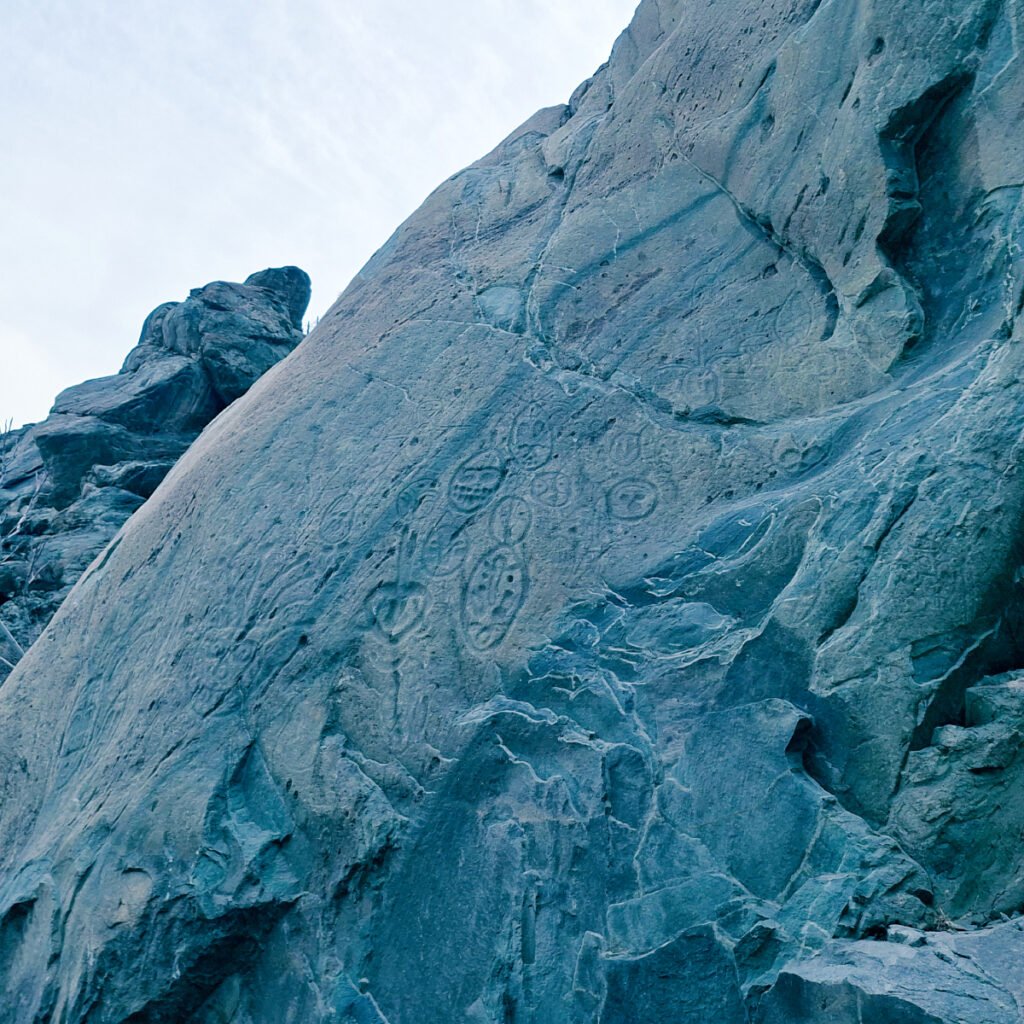
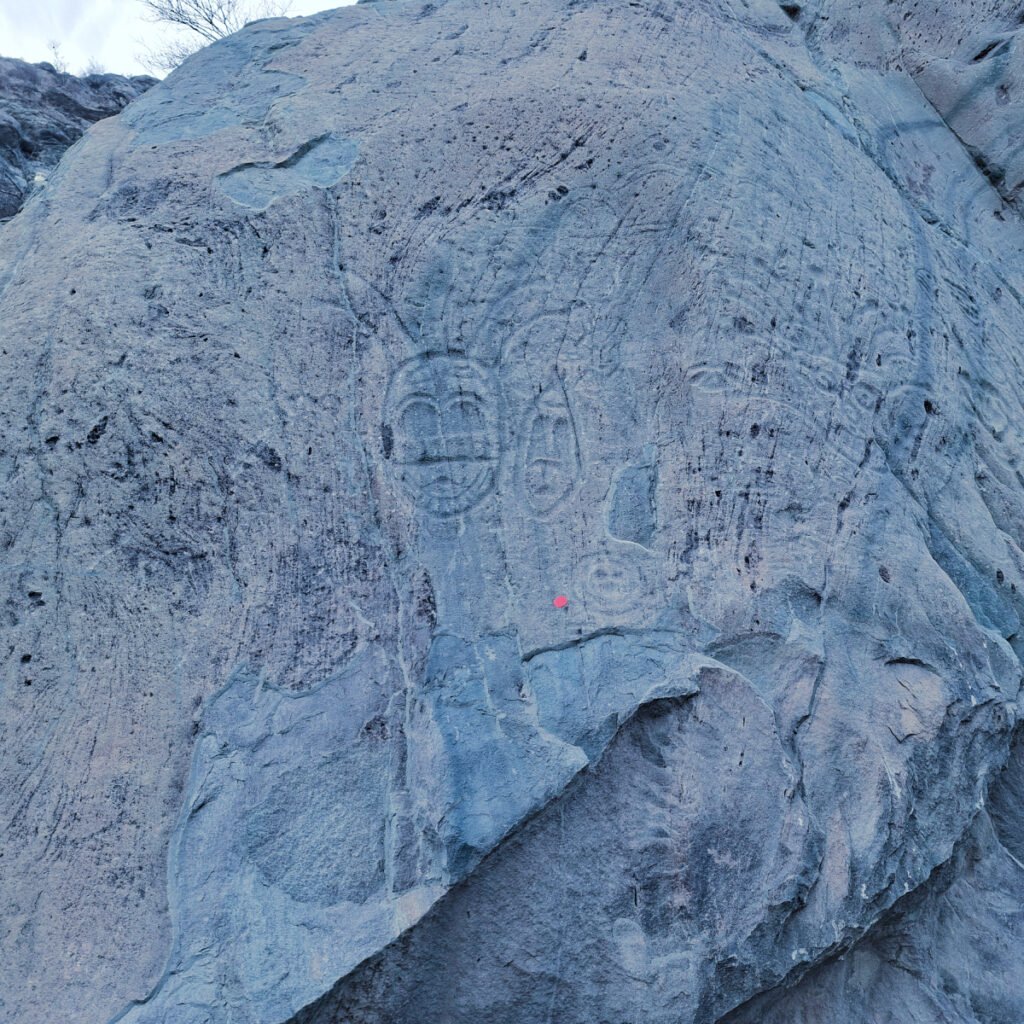
Despite these experiences, the Helan Mountains are a beautiful natural sight, and the rock carvings are remarkable. They depict human and animal faces as well as hunting scenes and date back many centuries. The earliest carvings are said to originate from the Neolithic period (10,000–2,000 BCE), while others were created during the Bronze Age (2000–500 BCE), the Iron Age (around 600–200 BCE), and later periods. The most recent carvings date to the Western Xia Dynasty (1038–1227 AD).
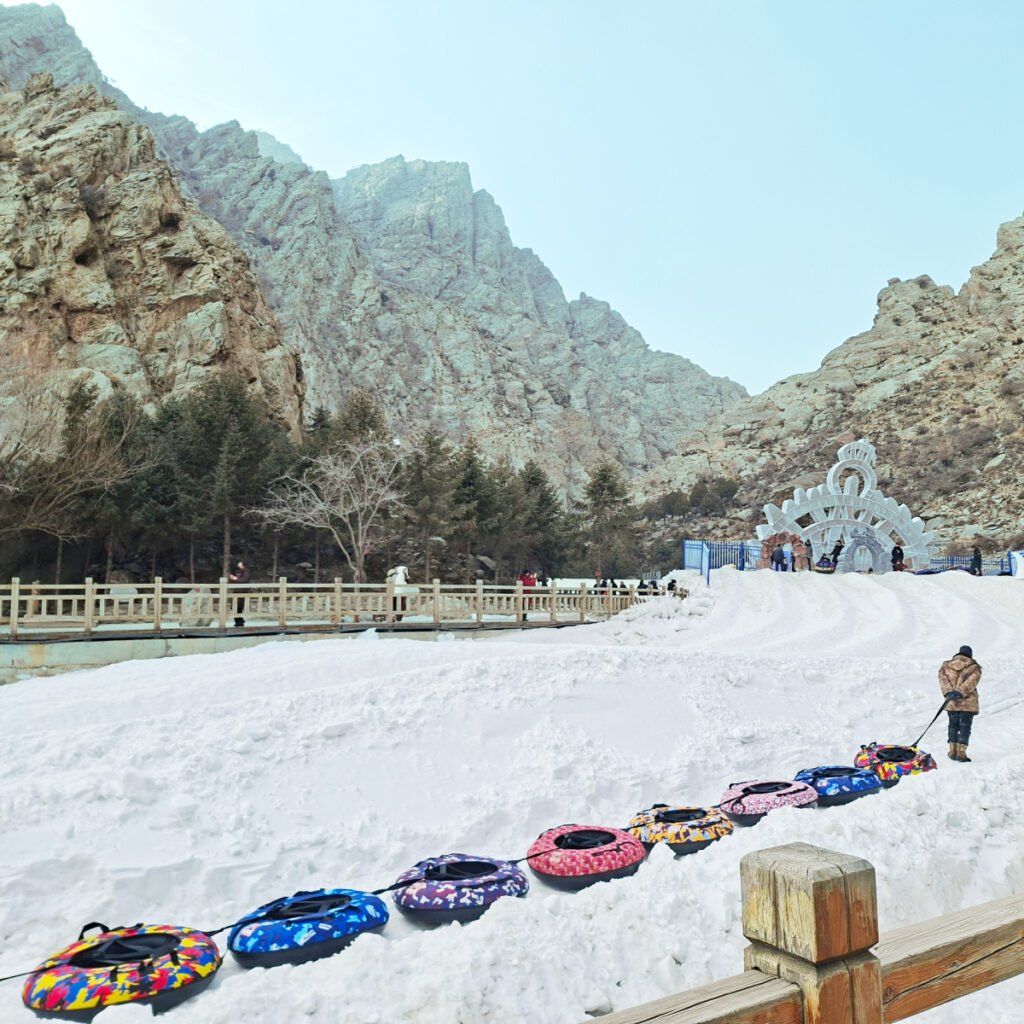
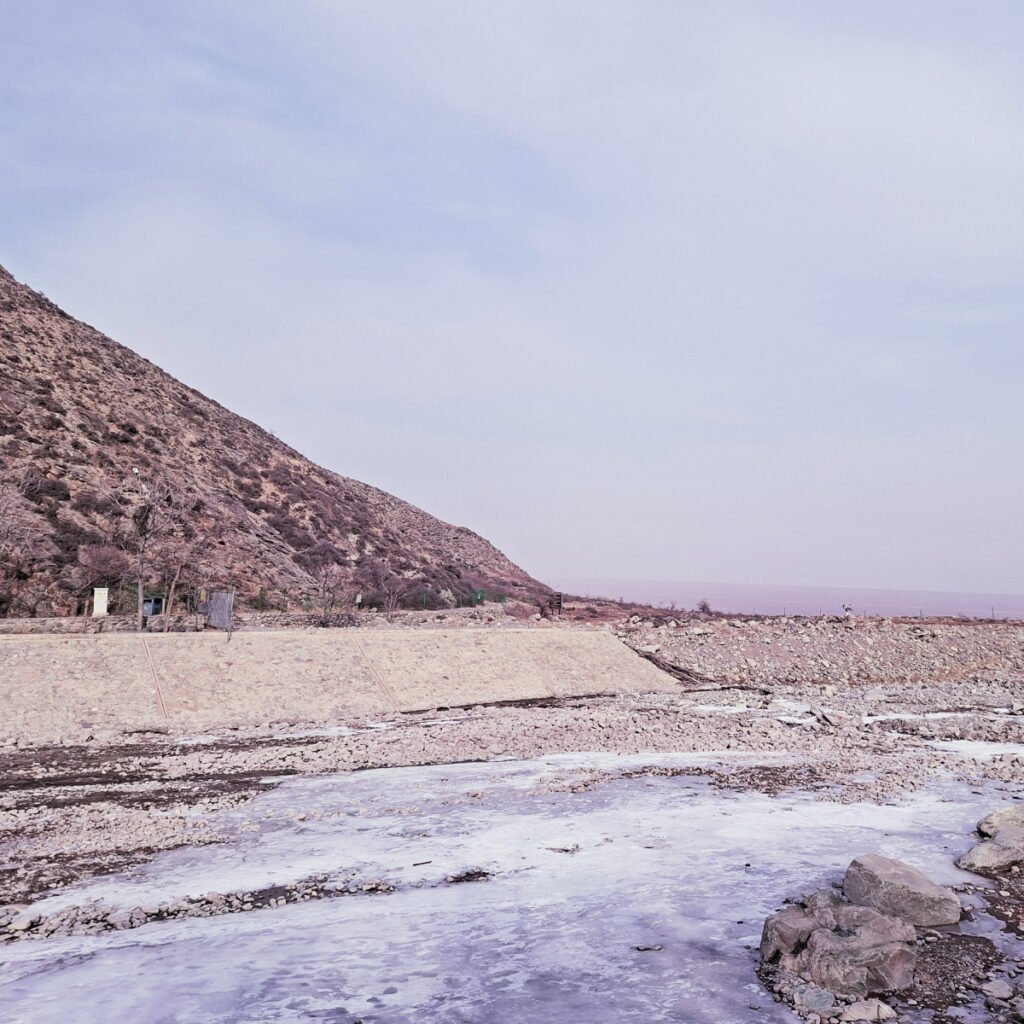
The frozen river featured an area of man-made snow where people could use snow tubes to slide down a rope—something that may not look very appealing in pictures but is a lot of fun for kids.
Have you ever been to the Helan Mountains?