travel

China Elevator Stories

Ningxia: The High Temple (Gaomiao) and Yellow River in Zhongwei (China Travel)

The High Temple is a must-visit when you’re in Ningxia Province.

30/01/2026

Ruth Silbermayr
Ruth Silbermayr

Author
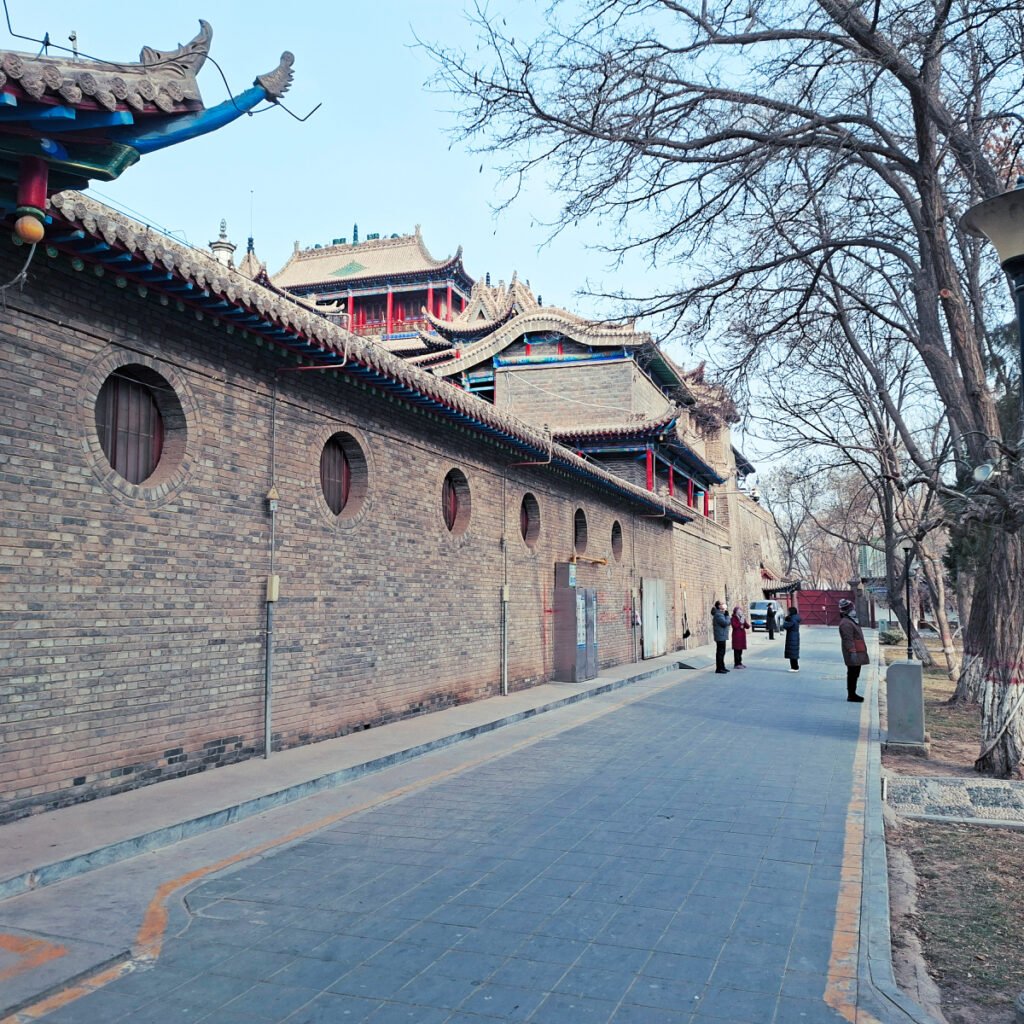
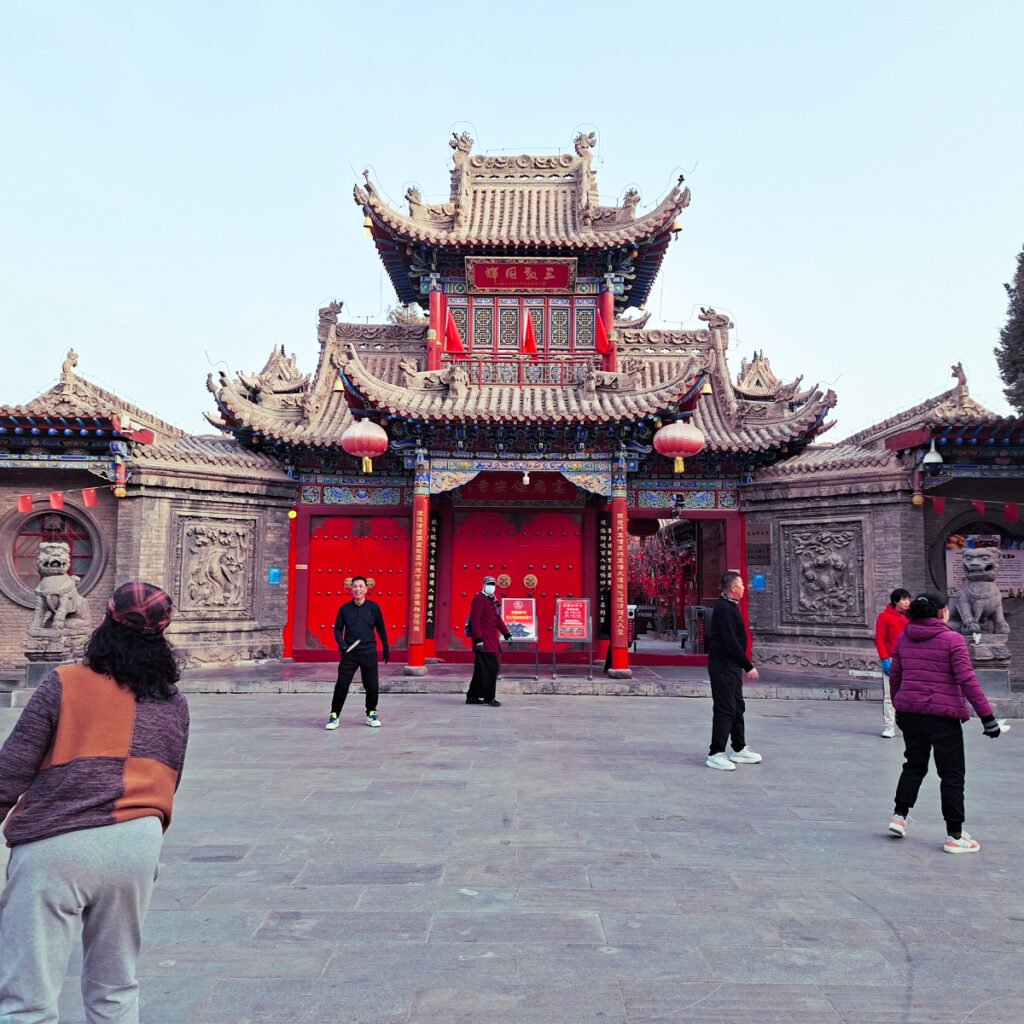
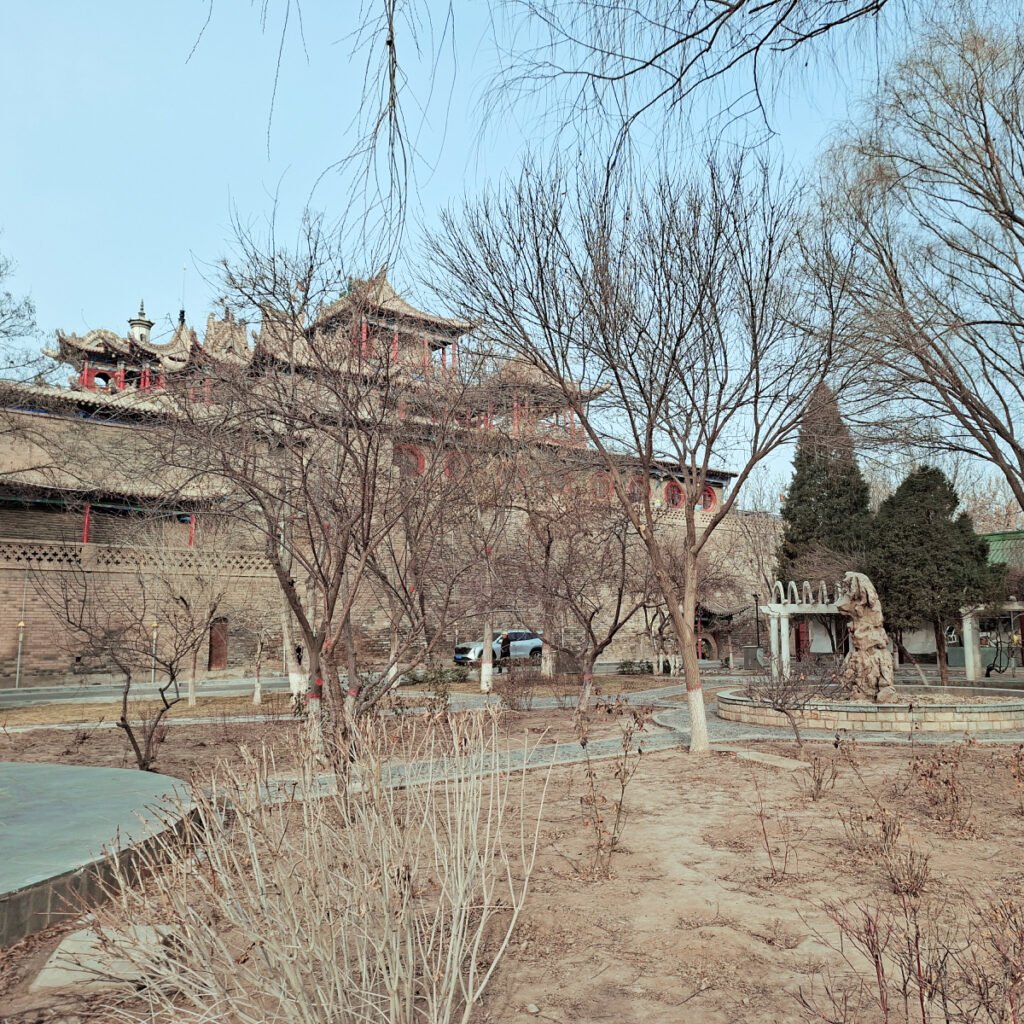
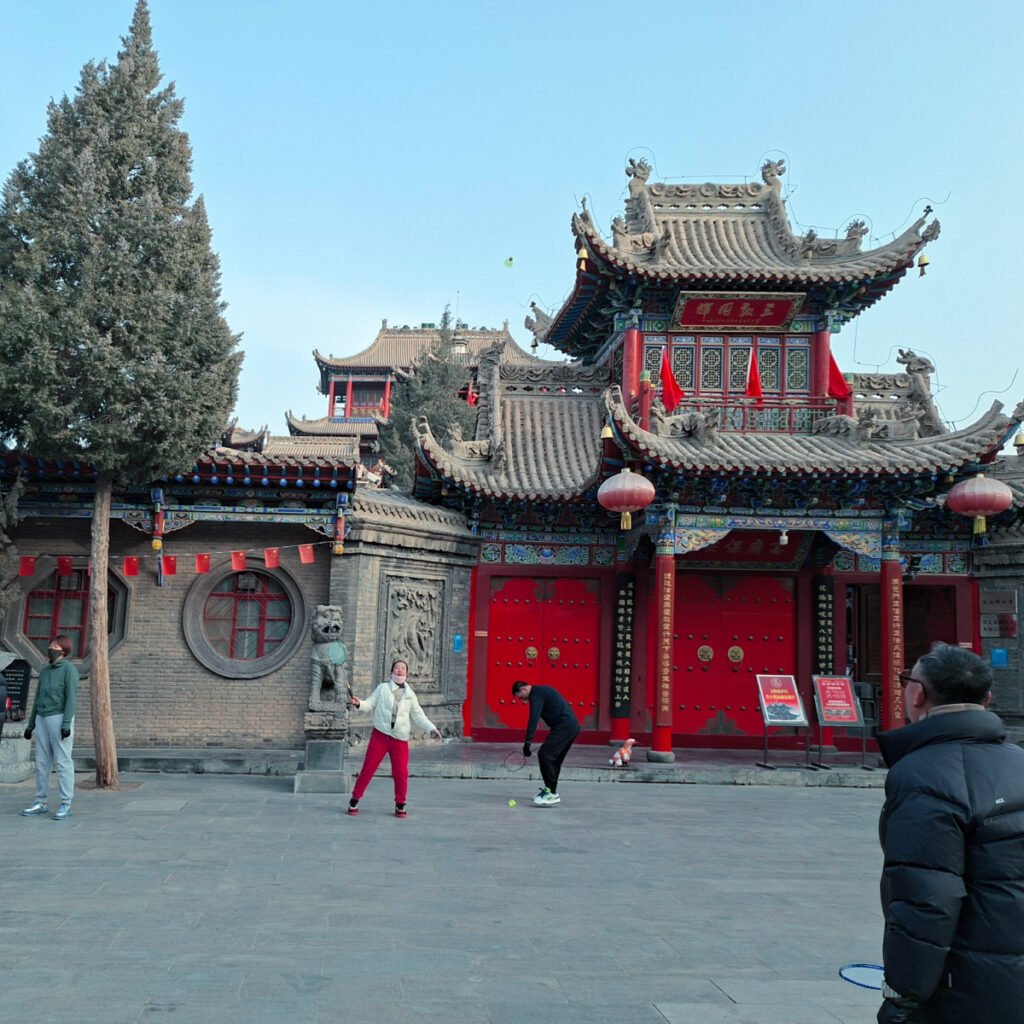
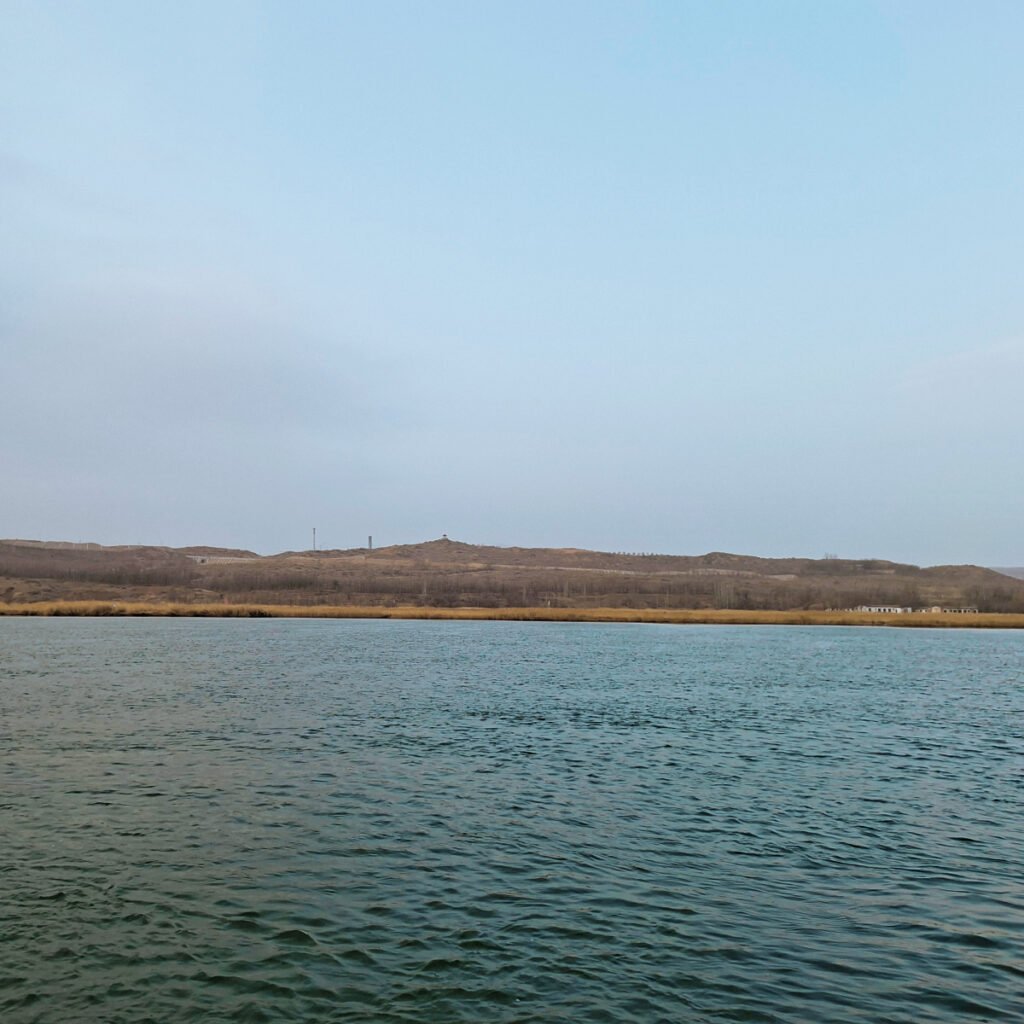
Zhongwei (中卫) is a smaller city in the Ningxia Hui Autonomous Region (宁夏回族自治区) that features “Gaomiao”, also called the High Temple (高庙 in Chinese, spelled Gāomiào in pinyin) and Shapotou (沙坡头 in Chinese, spelled Shāpōtóu in pinyin), an area where the Yellow River meets the desert.

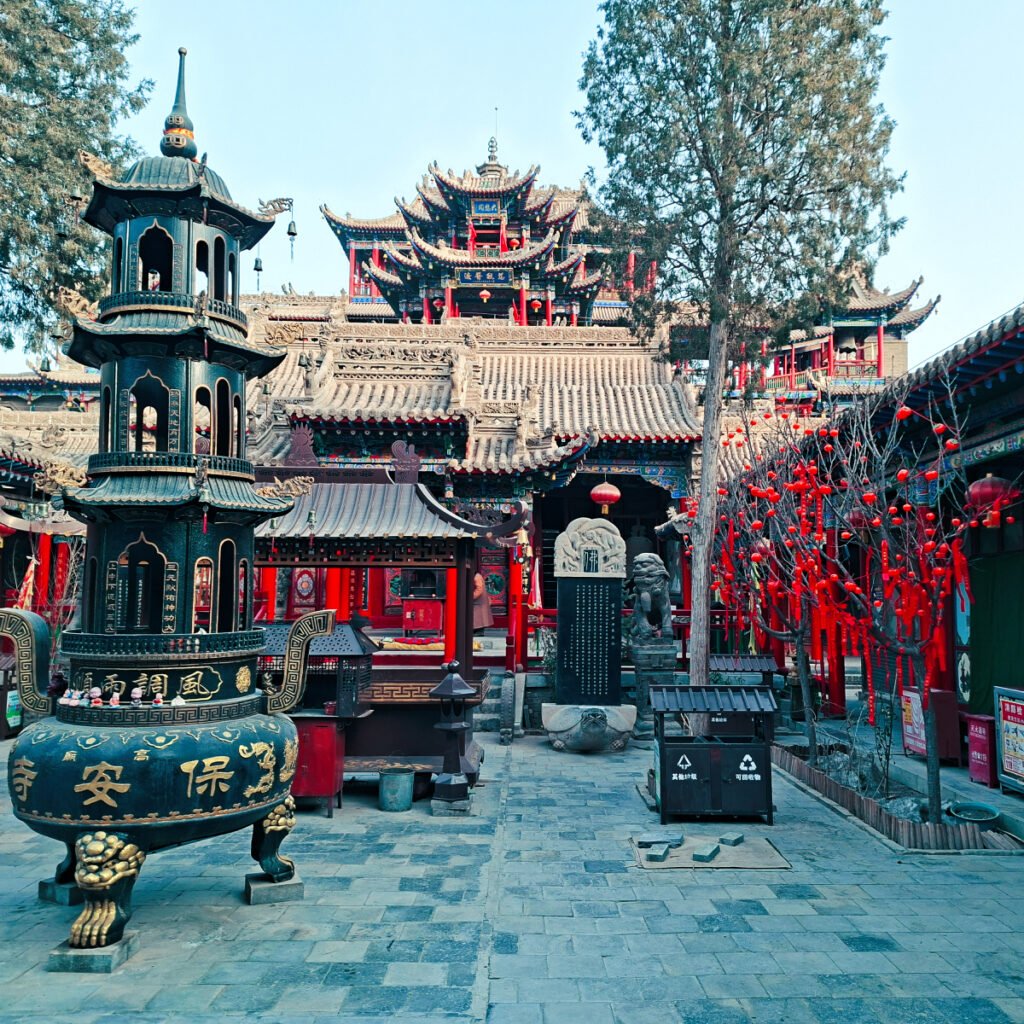
The High Temple is a Buddhist temple that was also used as a Confucian and Taoist temple.

It is called the High Temple because it is built to rise “into the sky” and is quite high compared to other temples, which often have all their halls on the same level.

It is beautiful, and in my opinion, it was the best sight I visited in Ningxia Province, besides the Western Xia Imperial Tombs, which are also terrific.

Which one you’ll like best (or whether you like them at all) certainly depends on your individual preferences.

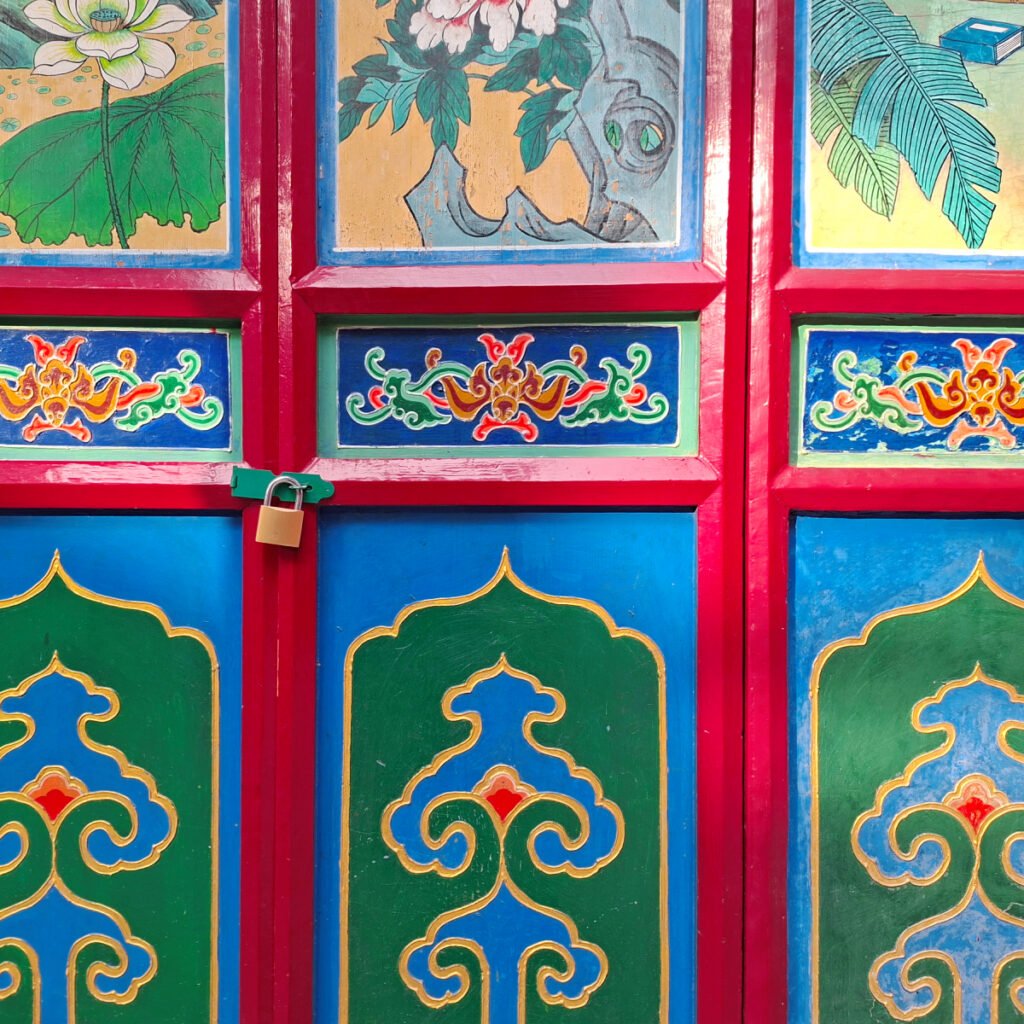
I liked the uniqueness of the temple and how pretty it looked. It was constructed during the Ming dynasty (1368–1644 AD). There was no entrance fee when I visited.

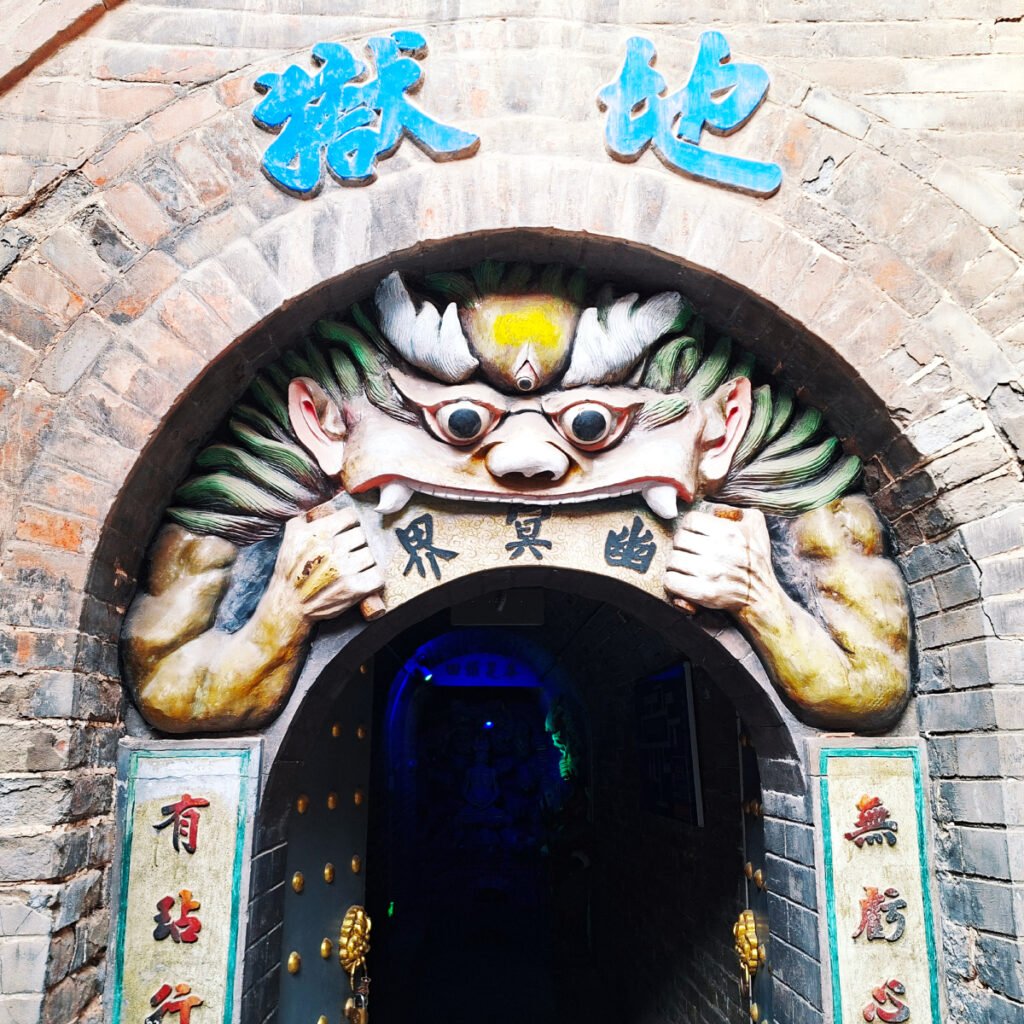
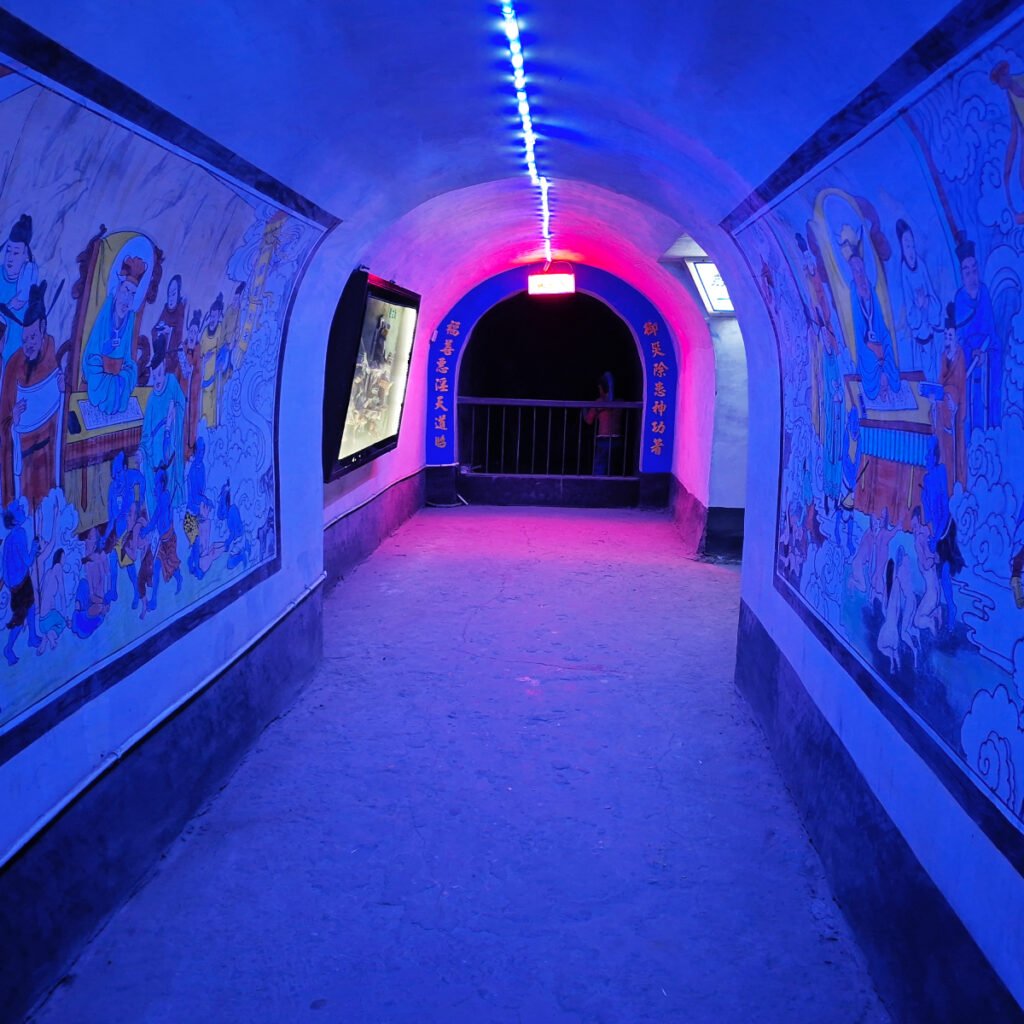
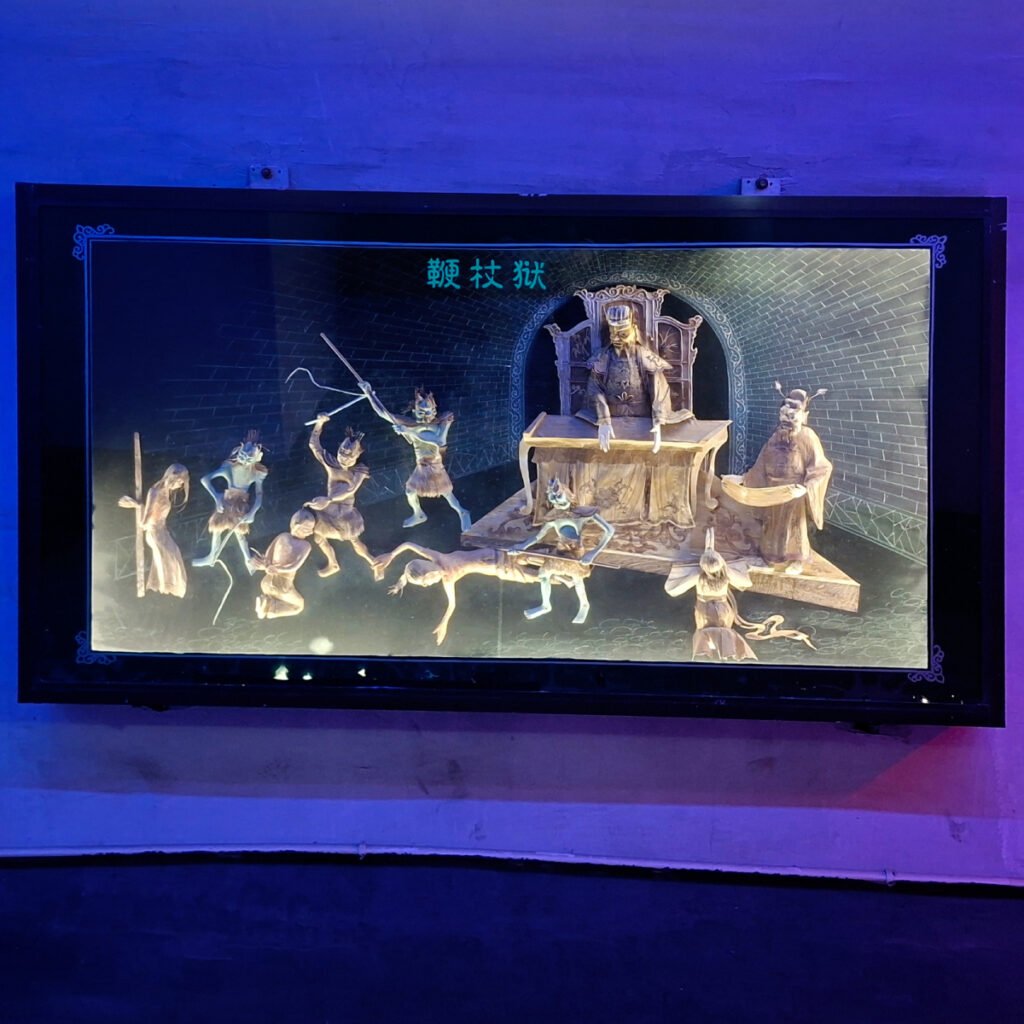
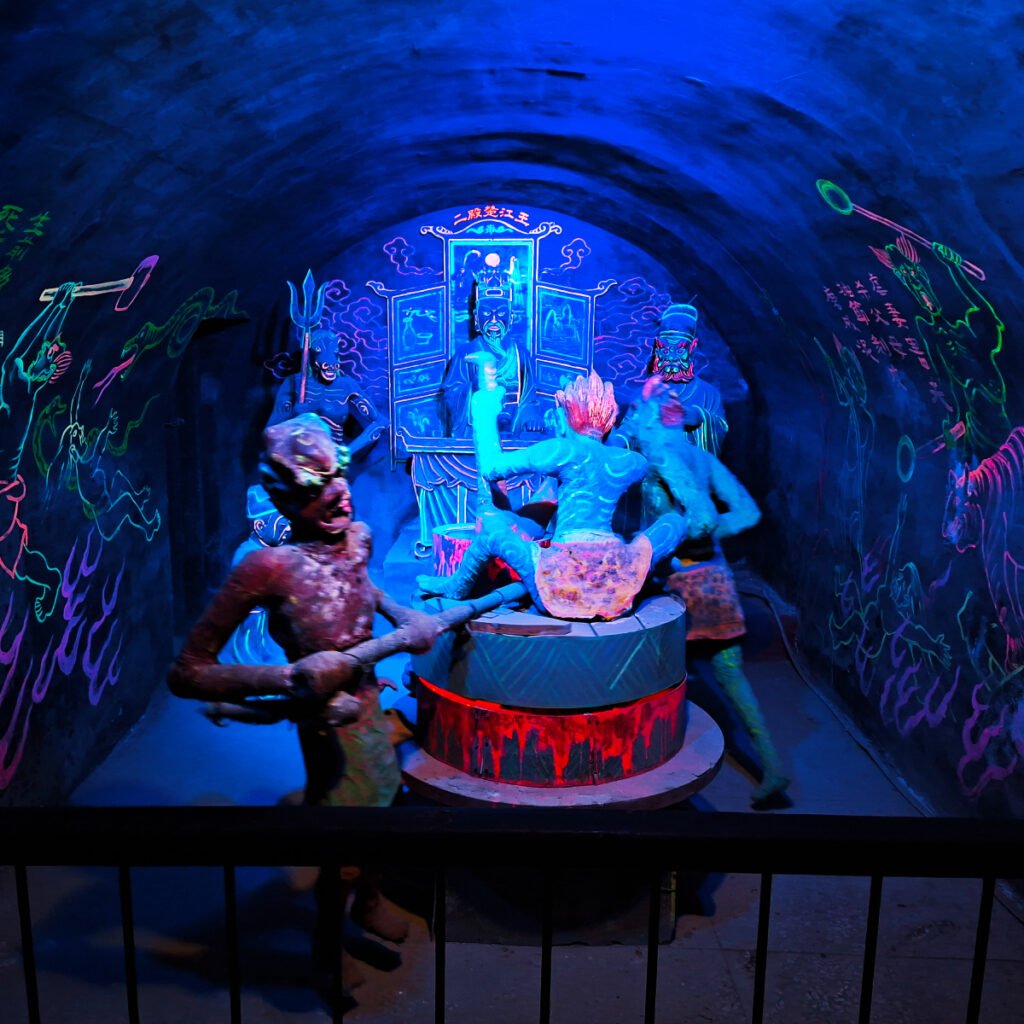
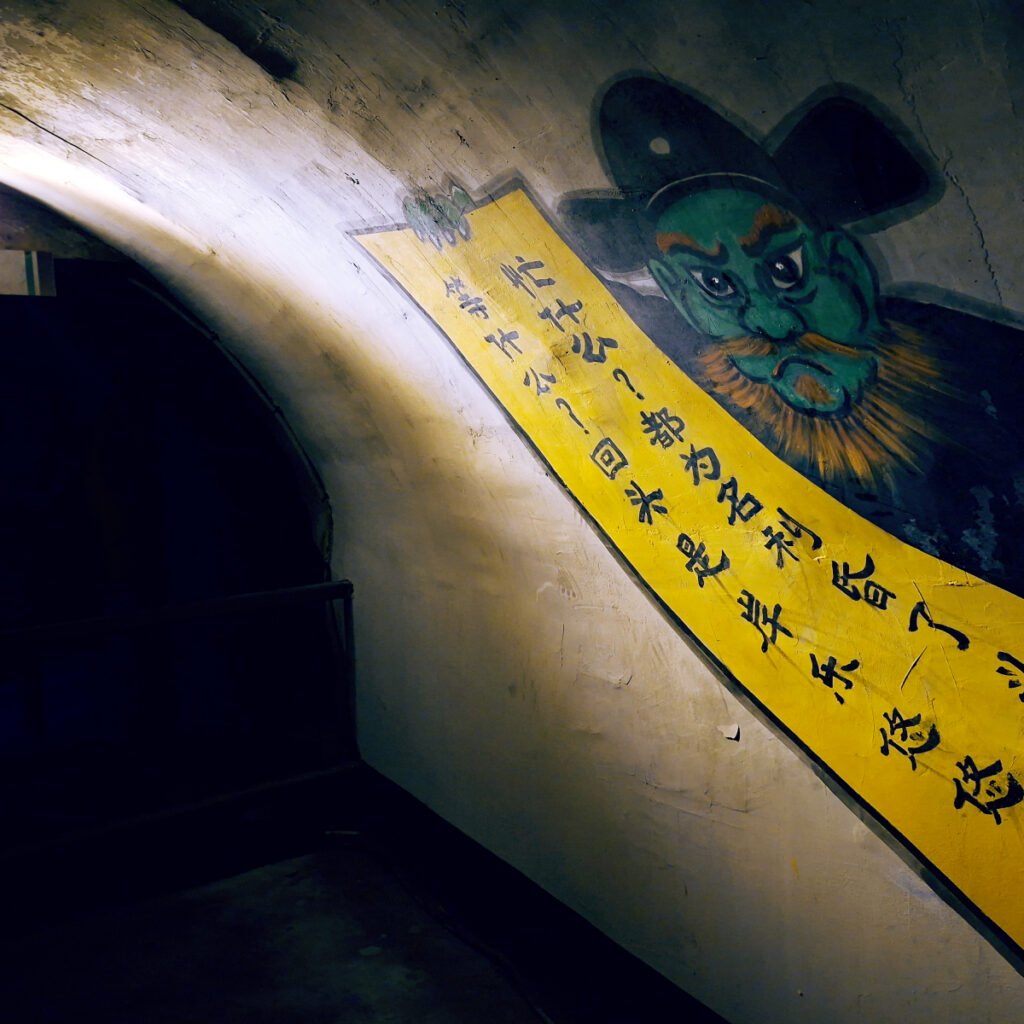
The temple also had an “adventure land” featuring Buddhist hell, which could be entered from the right side inside the temple, leading downstairs into the cellar.

This adventure land featured many paintings and figures showing what would happen to people who ended up in hell (the Buddhist one).

It is kind of fun to look at, though I certainly wouldn’t want to go there when I die, since it didn’t look very inviting.

Some of the stories seem similar to hell in Christianity, as both versions feature a devil/devils and people being tortured (just as a side note, I am not religious, but I sometimes enjoy visiting religious sites, as they are also part of Chinese culture and history).

I encountered one older monk who was reading Buddhist scriptures and reciting them, as well as a few other visitors, but not many.

There was a square in front of the temple where Chinese people of different ages were playing badminton and shuttlecock kicking (called 毽子 in Chinese, or jiànzi in Pinyin). Shuttlecock kicking wasn’t just popular with younger people, but also with retirees.

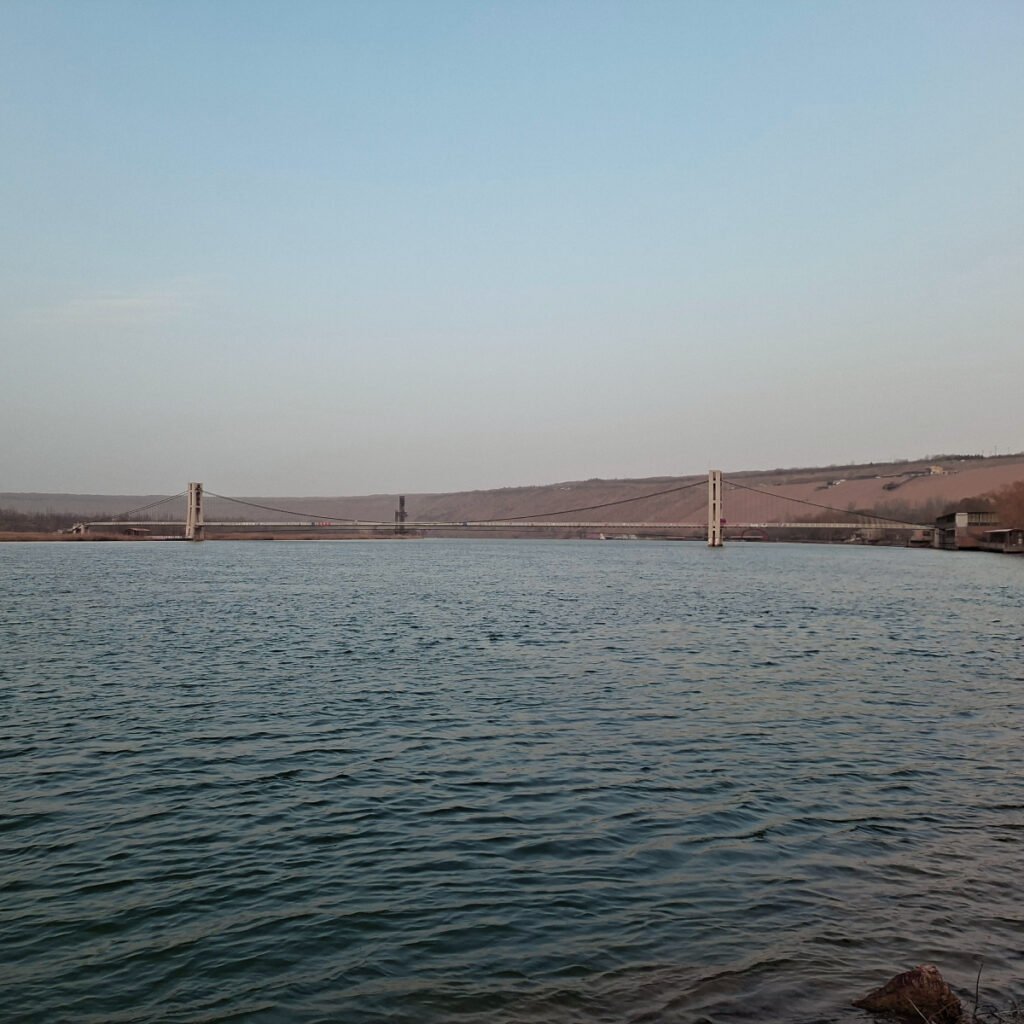
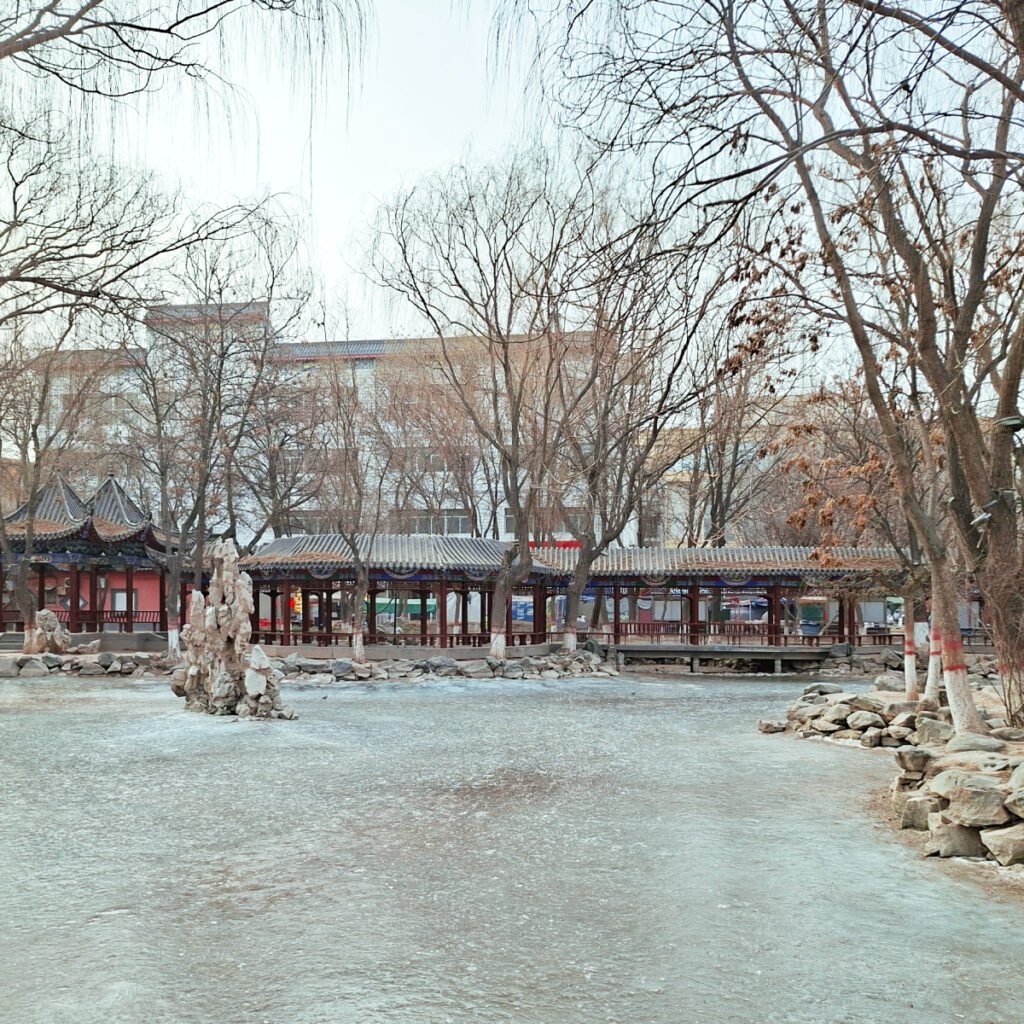
The river in front of the temple was frozen, as were other rivers and bodies of water across the city and province. I saw one man walking on the ice, though I would never recommend doing so, even if you see locals walking on frozen rivers, as it can still be dangerous.

Shapotou is another sight in Zhongwei, and you can visit it if you enjoy natural scenery. There was also no entrance fee, although I had to take a cab to get there, which cost around 35 yuan from the high-speed train station. Once inside, you can take a bus to two destinations (one at the Yellow River and another at the desert, which begins there). The bus costs 40 yuan (either for one destination each or for both—I am not entirely sure).

I simply walked along the promenade for a bit and then headed to the High Temple, as I only had a few short hours in Zhongwei.

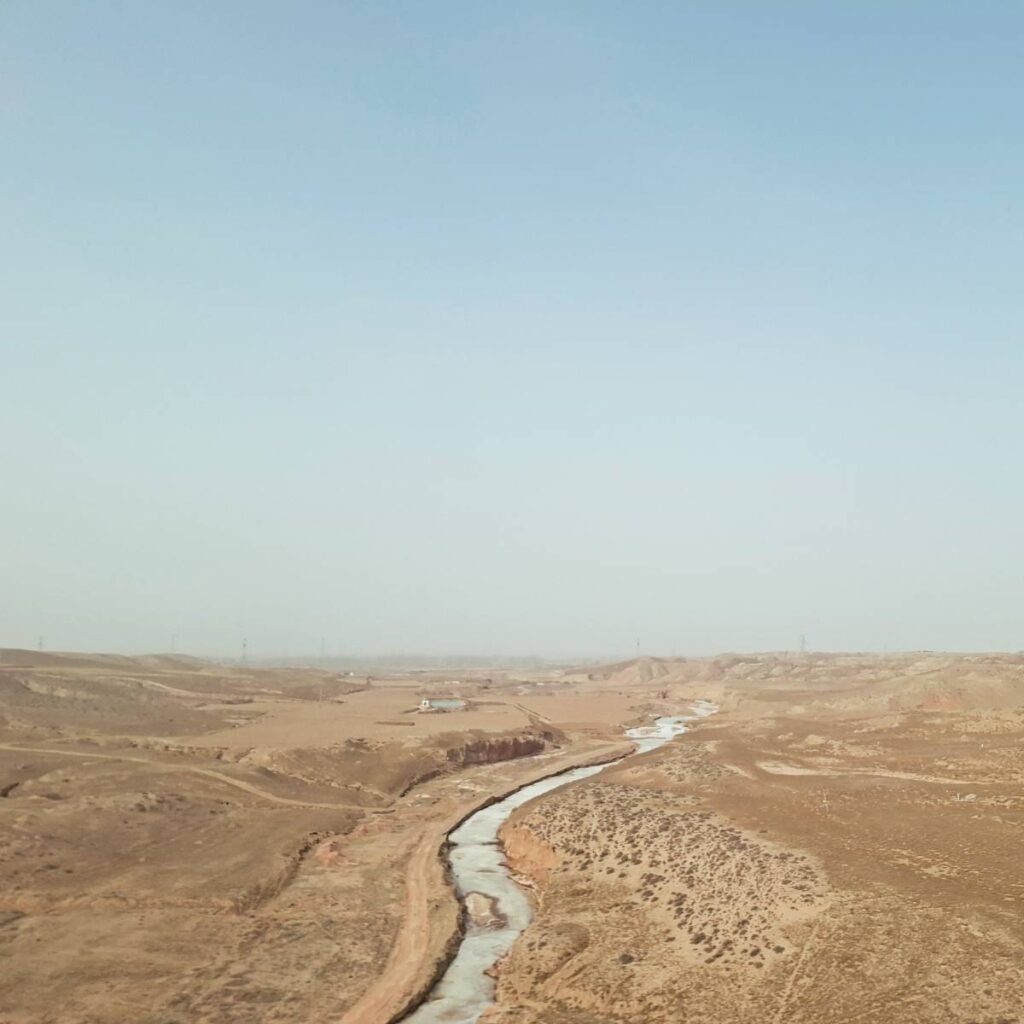
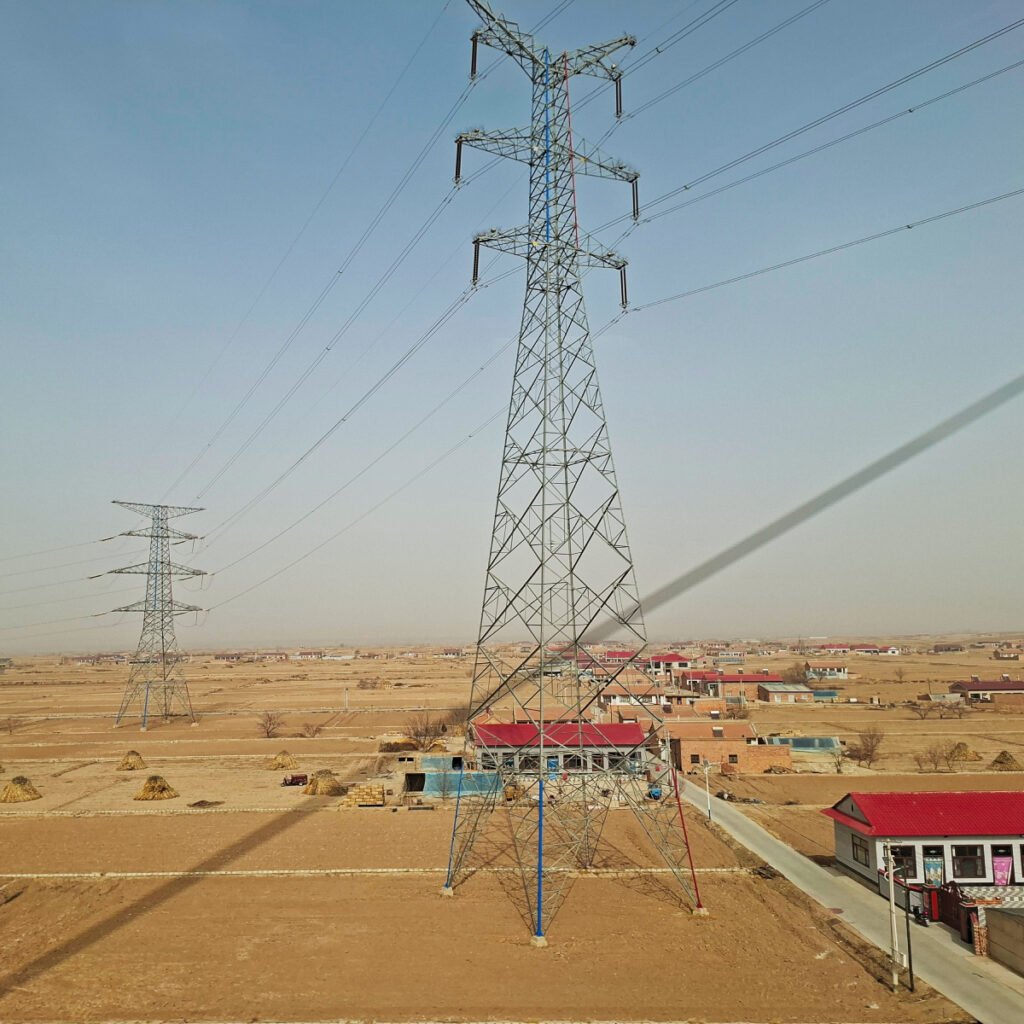
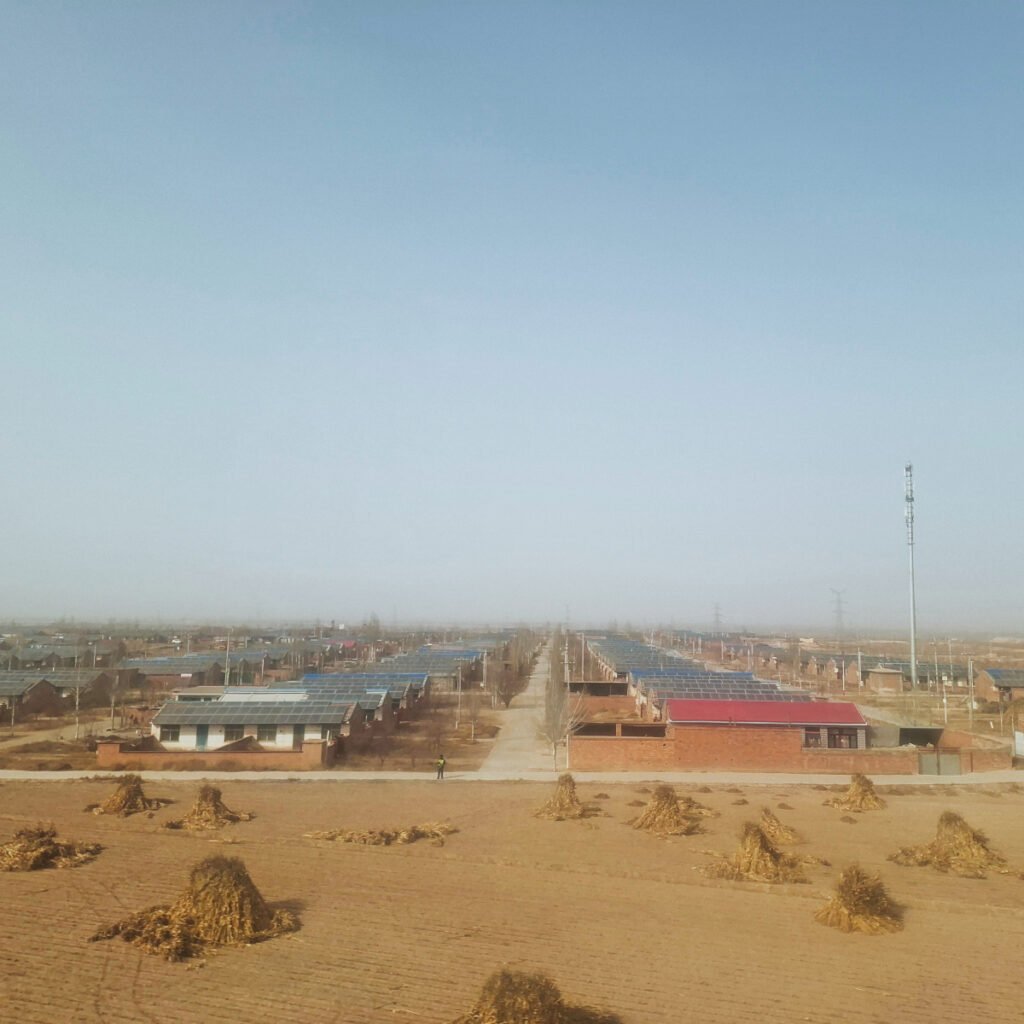
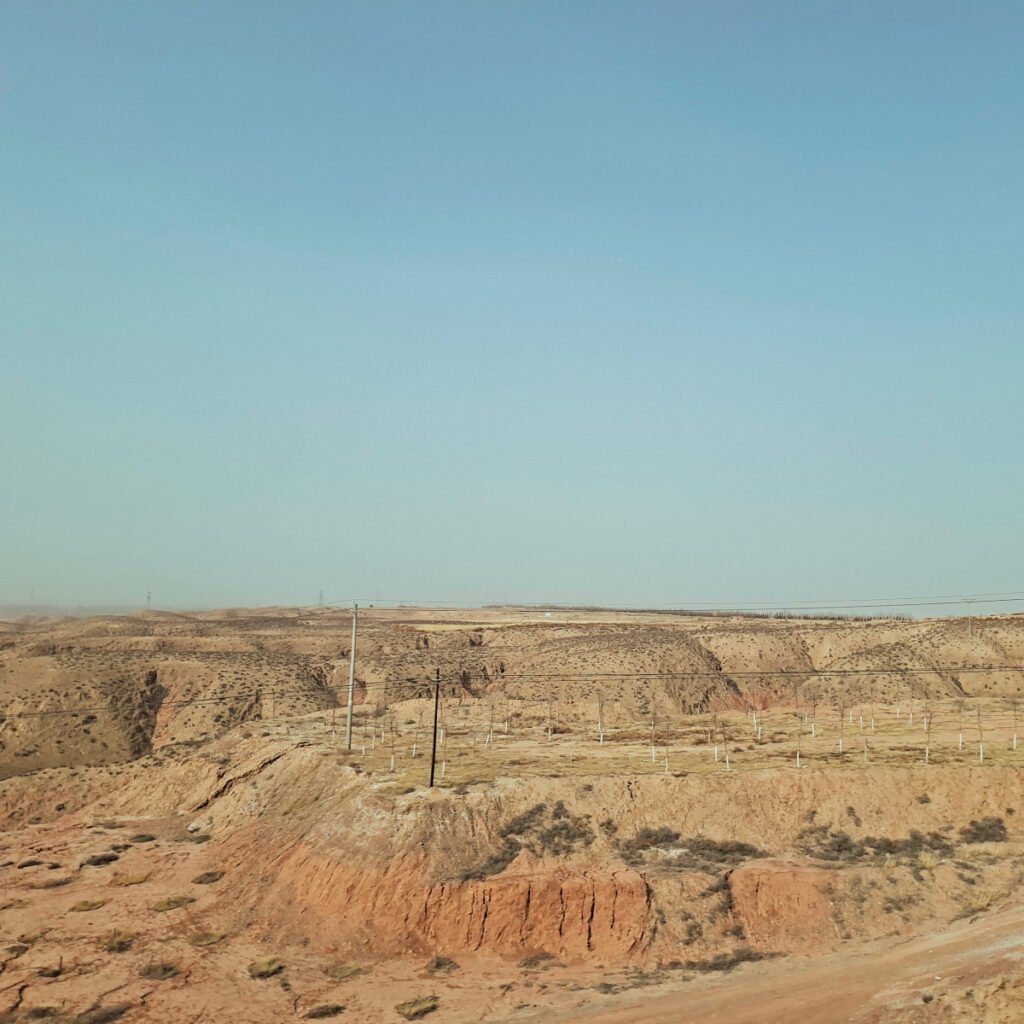
Zhongwei borders the Tengger Desert and has been fighting desertification for over 75 years. When I took the train from Yinchuan to Zhongwei, I saw fields and mountains covered with loess and almost no snow.

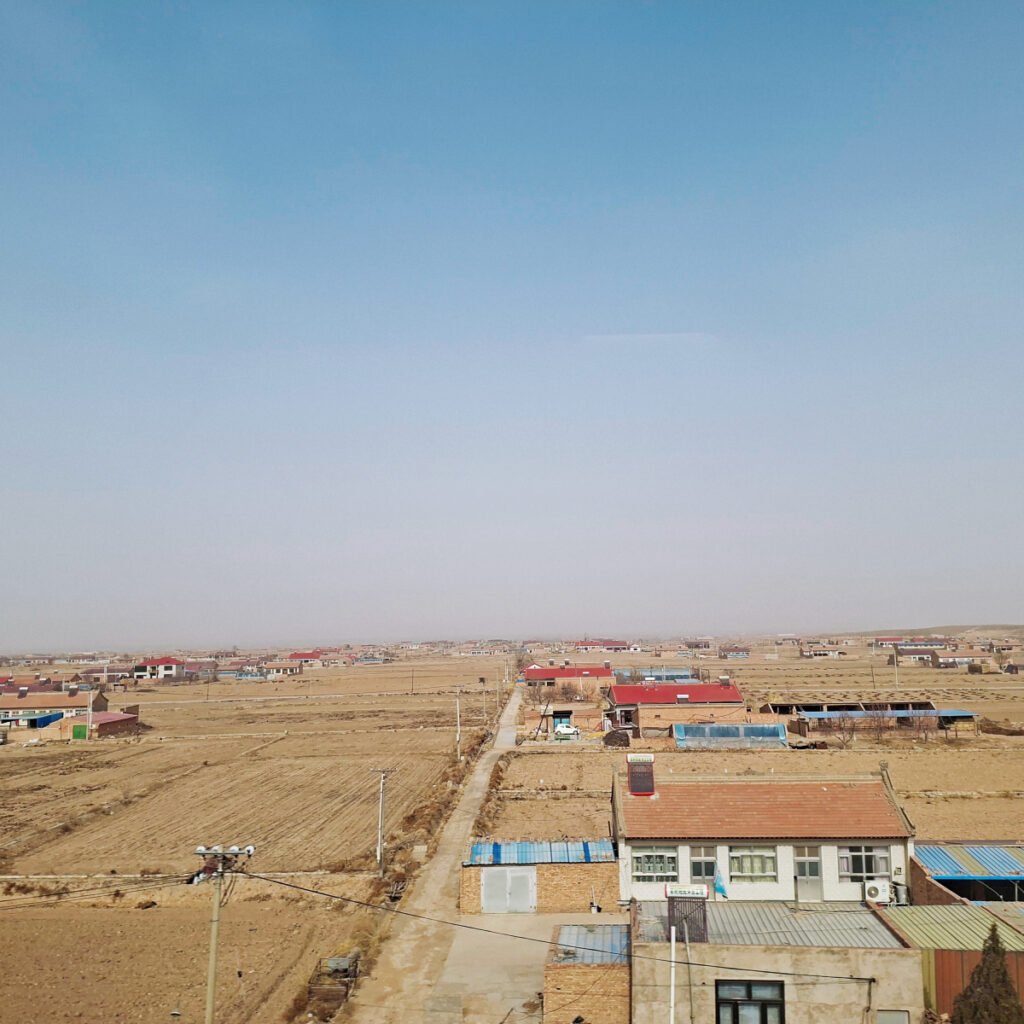
Most of the landscape looked “brown,” and the countryside was dotted with small houses and huge electricity pylons, which transport electricity to cities.

These are common in China, as large cities and a huge population mean that a lot of electricity needs to be produced and transported.

Some houses in the countryside came with solar panels on their roofs.

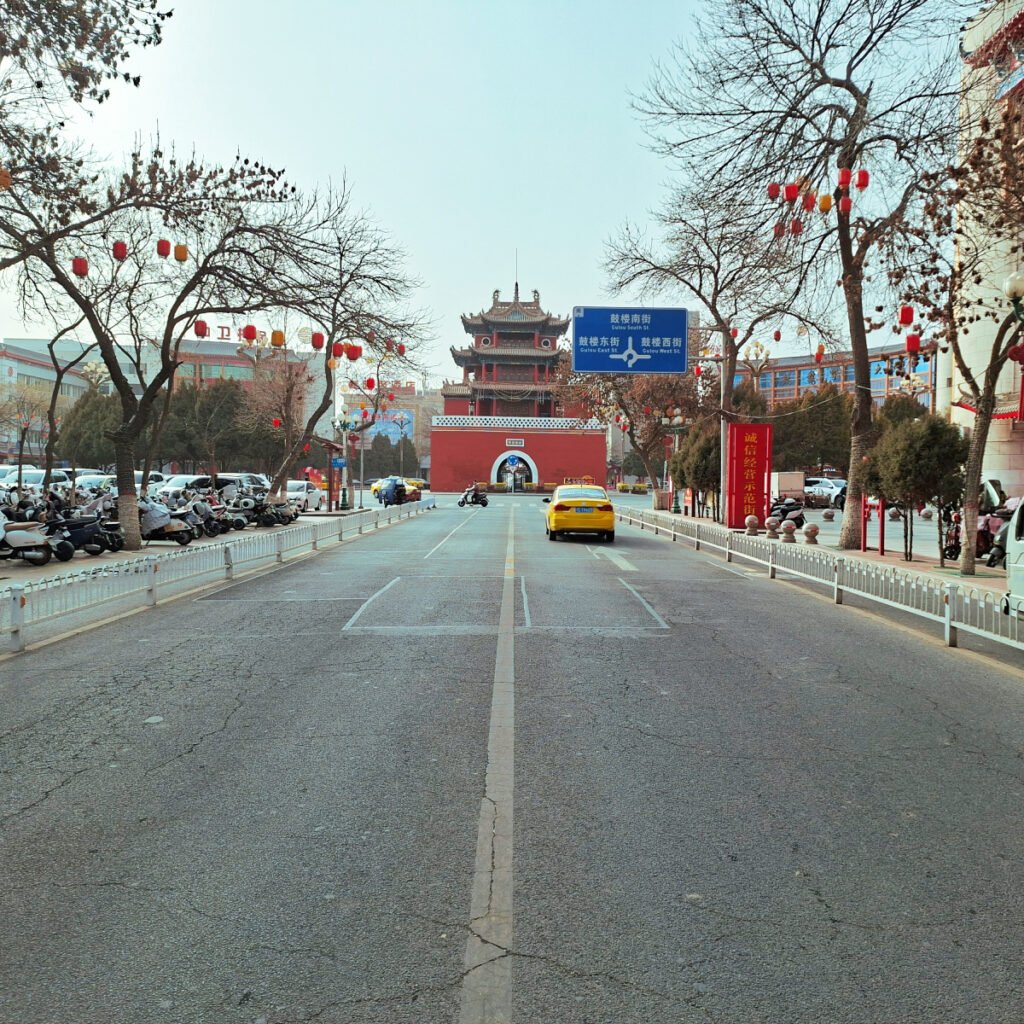
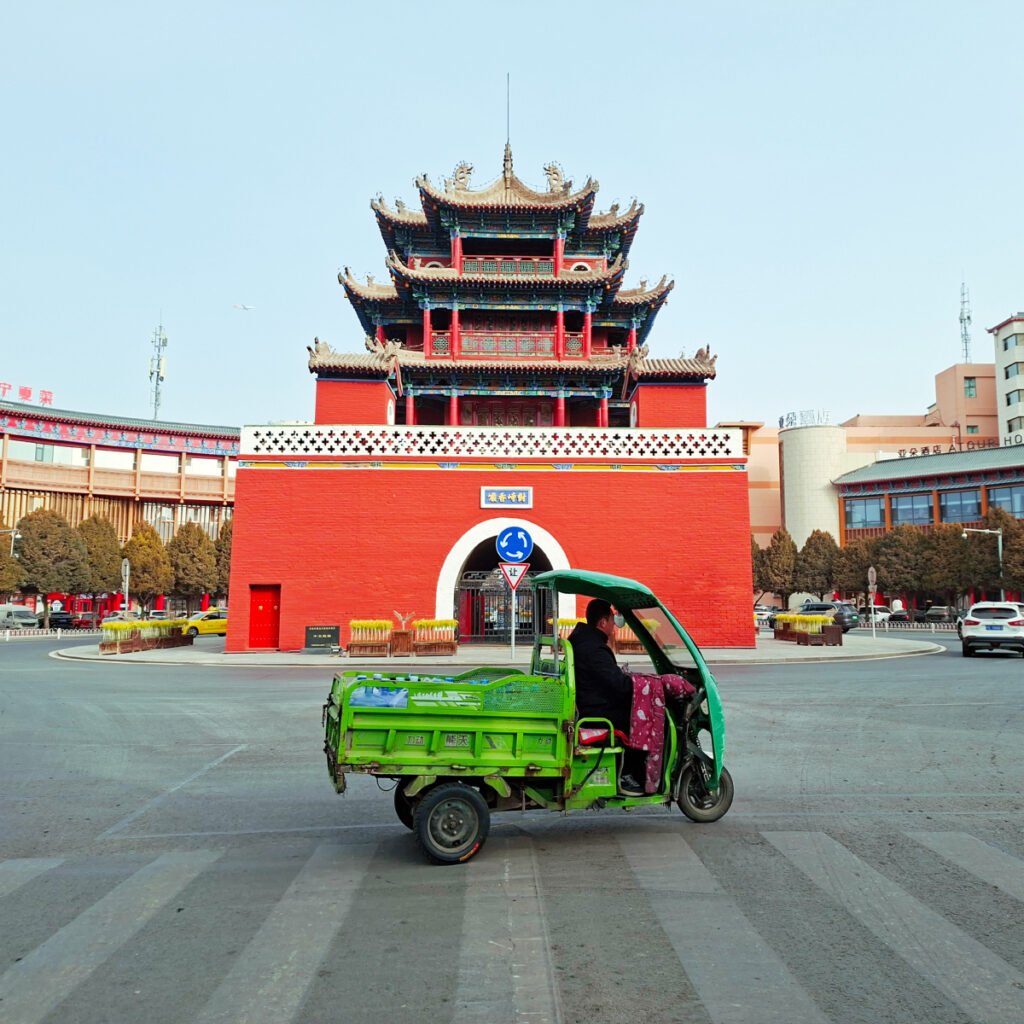
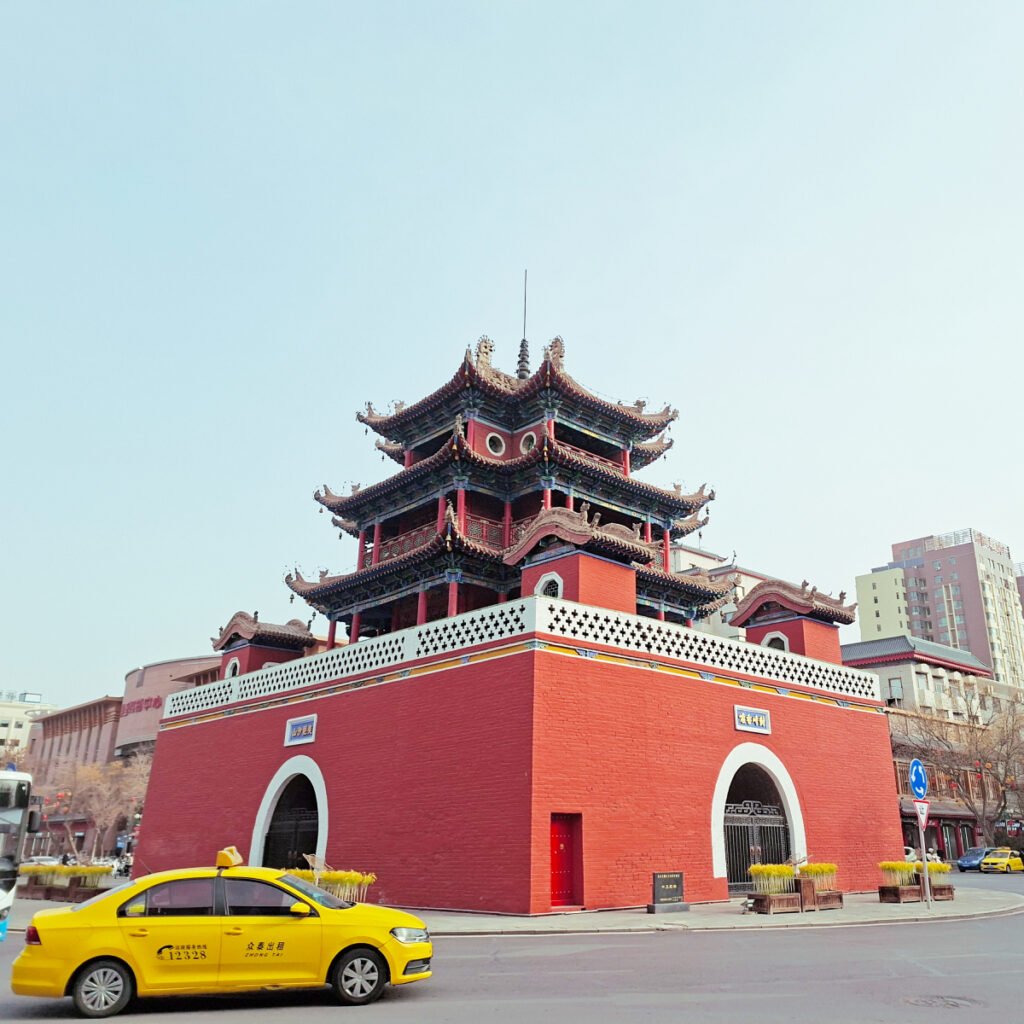
While in Zhongwei, I also visited a drum tower.

These seem to be common in this area, and they are lovely.

They are usually situated in the center of a roundabout and make for a nice cityscape. This one had red walls.

Before heading back to the train station, I tried a Chinese fast food chain, as I had found it hard to find food without mutton at other restaurants. I am not a big fan of the mutton here, although I didn’t mind the taste of mutton in Xinjiang when I visited in 2016. There, the mutton is often grilled and served as skewers, but here Chinese-style barbecue isn’t as common, and cooked mutton dishes are more popular.

Have you ever visited Zhongwei?

Follow me on:

Leave a Reply

Your email address will not be published. Required fields are marked *