travel

China Elevator Stories

Hohhot, Inner Mongolia (China Travel)

Hohhot is the capital of Inner Mongolia and a melting pot of Tibetan and Muslim cultures.

01/02/2026

Ruth Silbermayr
Ruth Silbermayr

Author
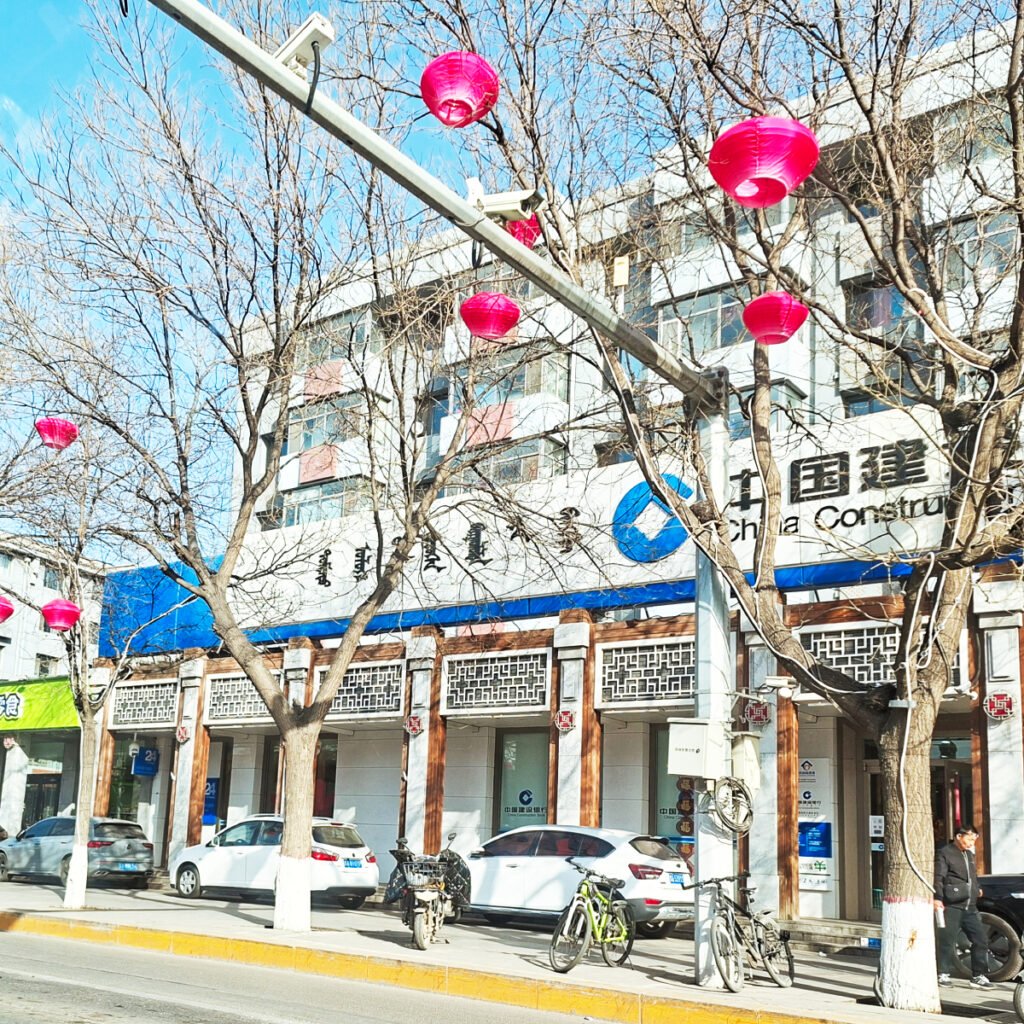
I visited Hohhot at the end of January during the low season, something I recommend to anyone who wants to escape the crowds. Winter wasn’t extremely cold, like in Northeast China, and walking around the city for the whole day felt doable.

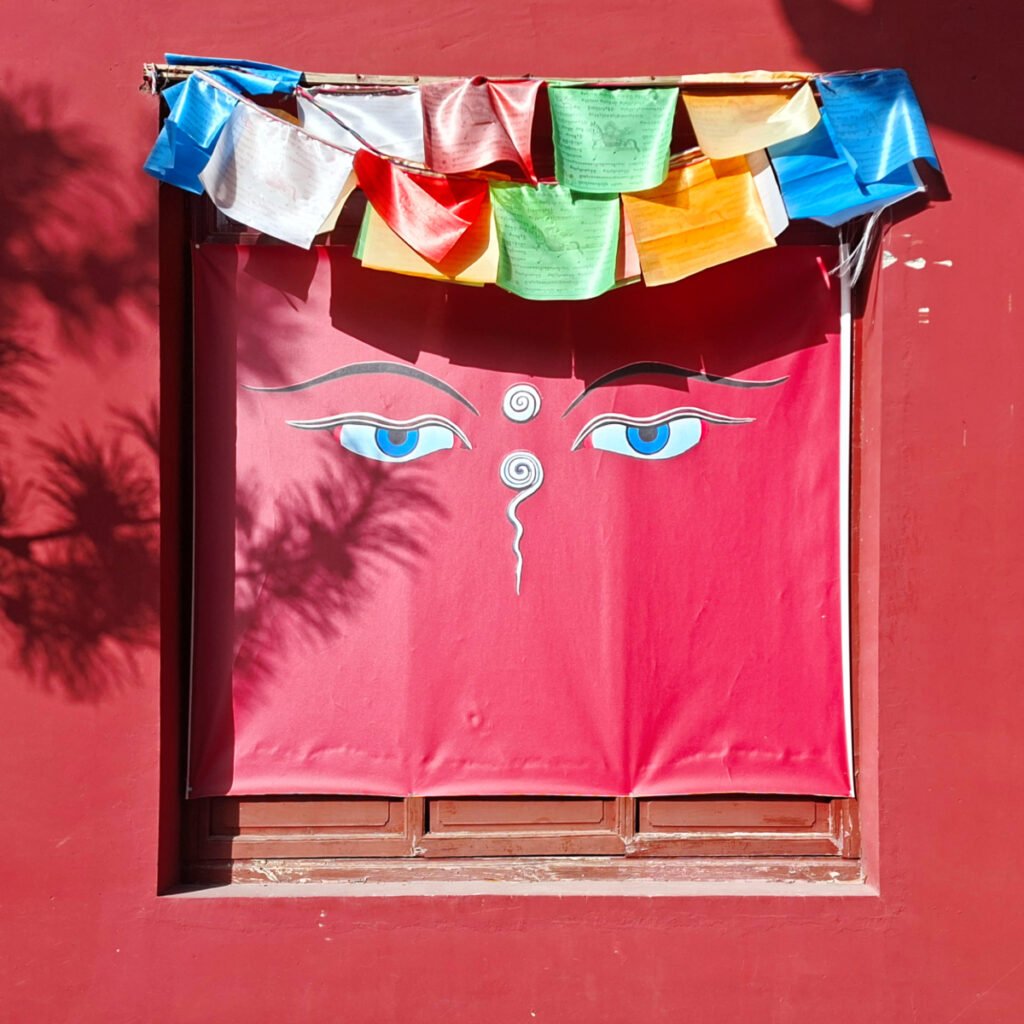
Hohhot features a lot of temples and a few stupas and is a melting pot of Mongolian, Tibetan, and Muslim cultures. This is reflected in the local architecture of old (or renovated) buildings, which are plentiful and allow you to go back in time and experience what this city must have felt like many centuries ago, when it was first established by Altan Khan.

Hohhot was founded in 1580, and it is a city that developed after the founding of a Tibetan temple that drew people to settle in its vicinity, a common occurrence in former times.

Most sights in the city didn’t come with an entrance fee, and one that did—which was among the most famous—cost 35 yuan.

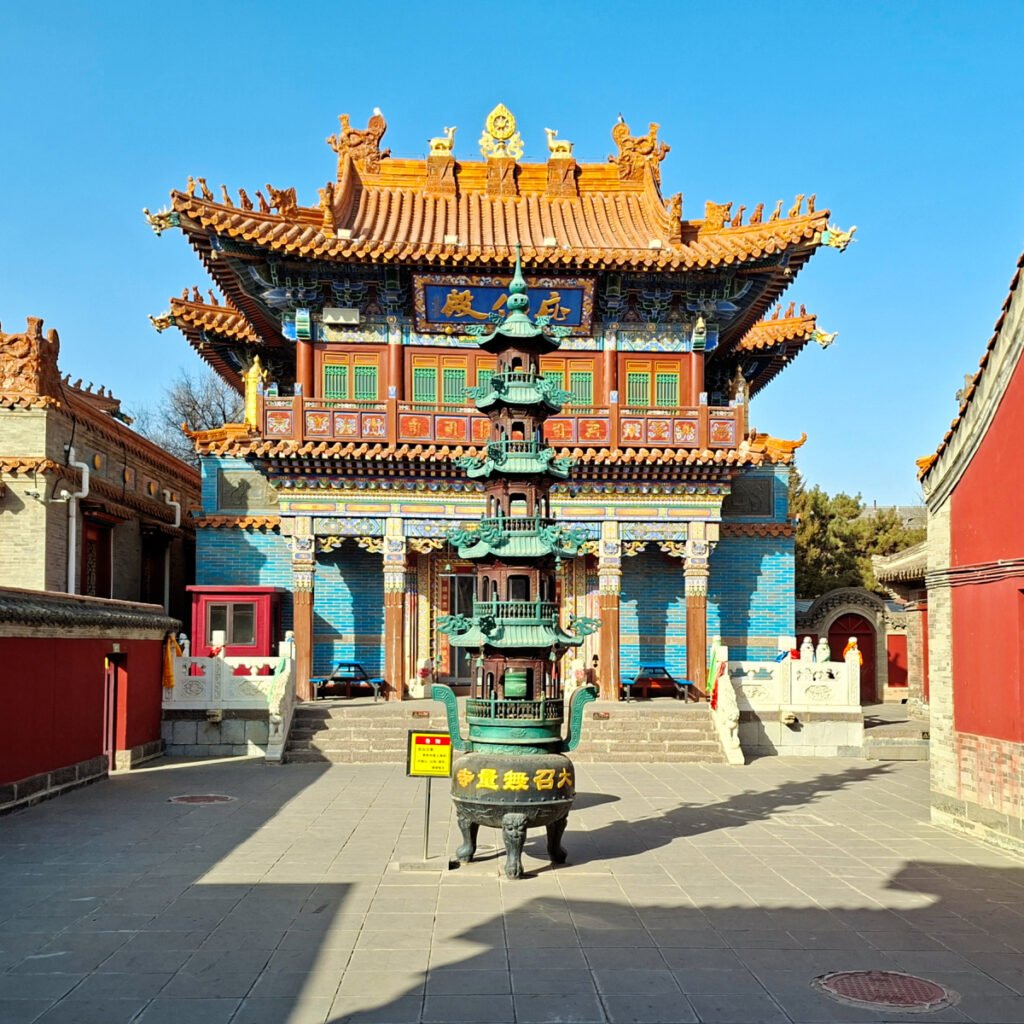
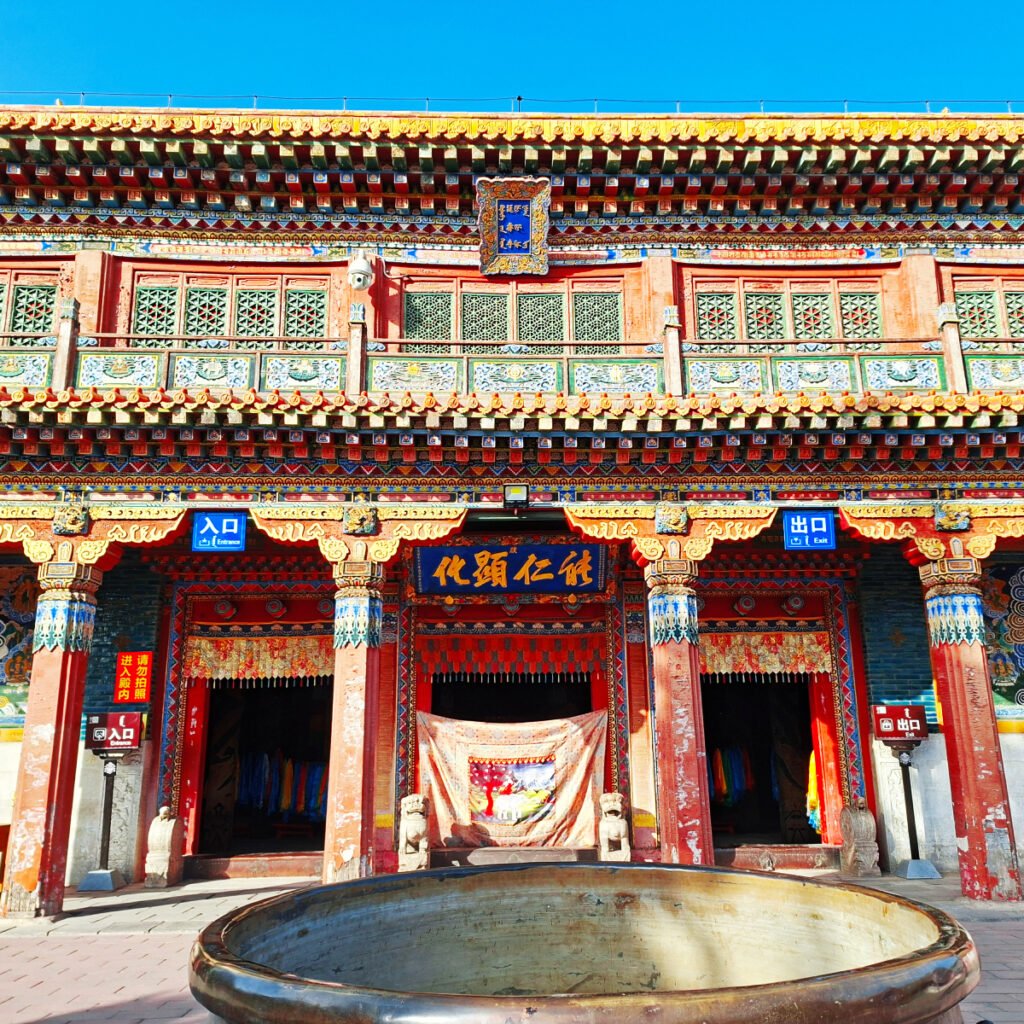
This particular temple is located near a square and is called Dazhao Temple, and it was the first temple built in Hohhot (which was first called Guisui, meaning “Blue City”).

If you want to travel frugally, I recommend skipping this temple, since other temples are more enticing, in my opinion.

The area around Dazhao Temple is heavily commercialized, something I am not a fan of.

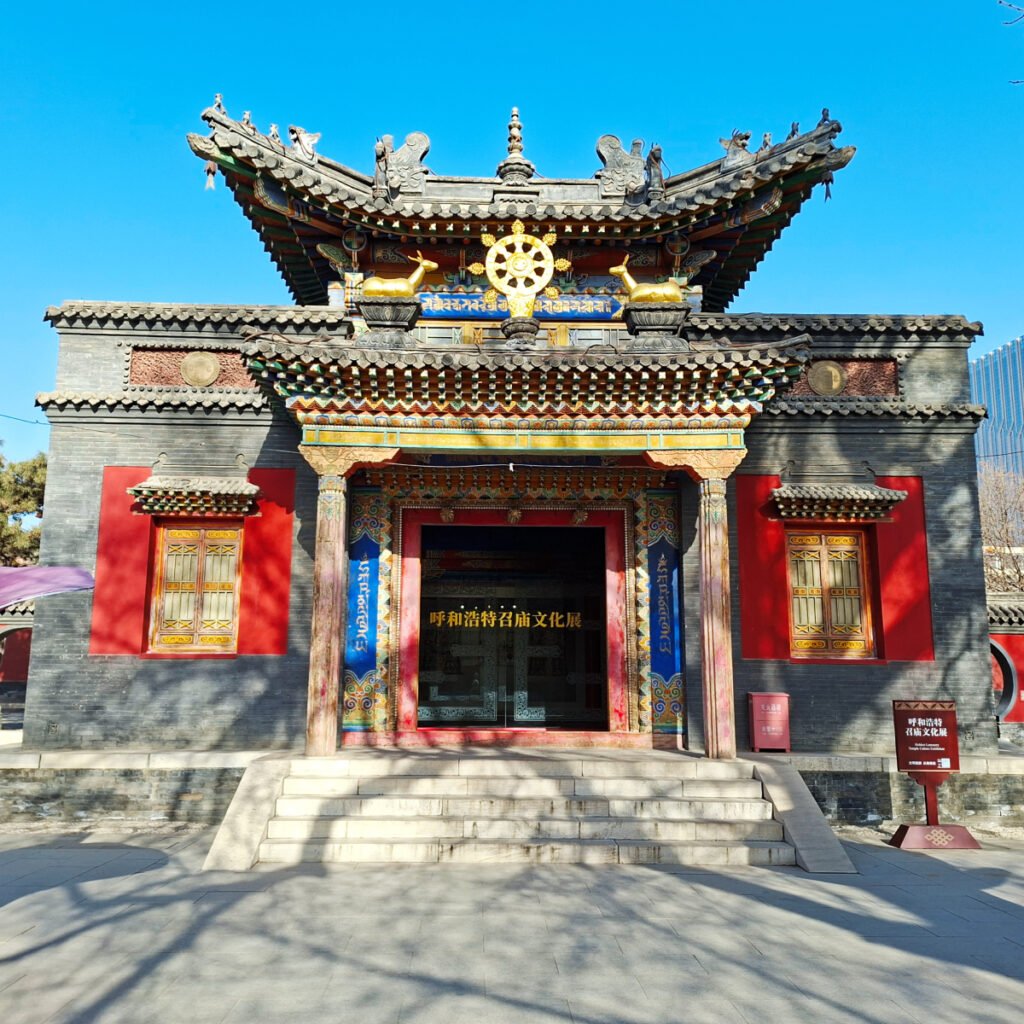
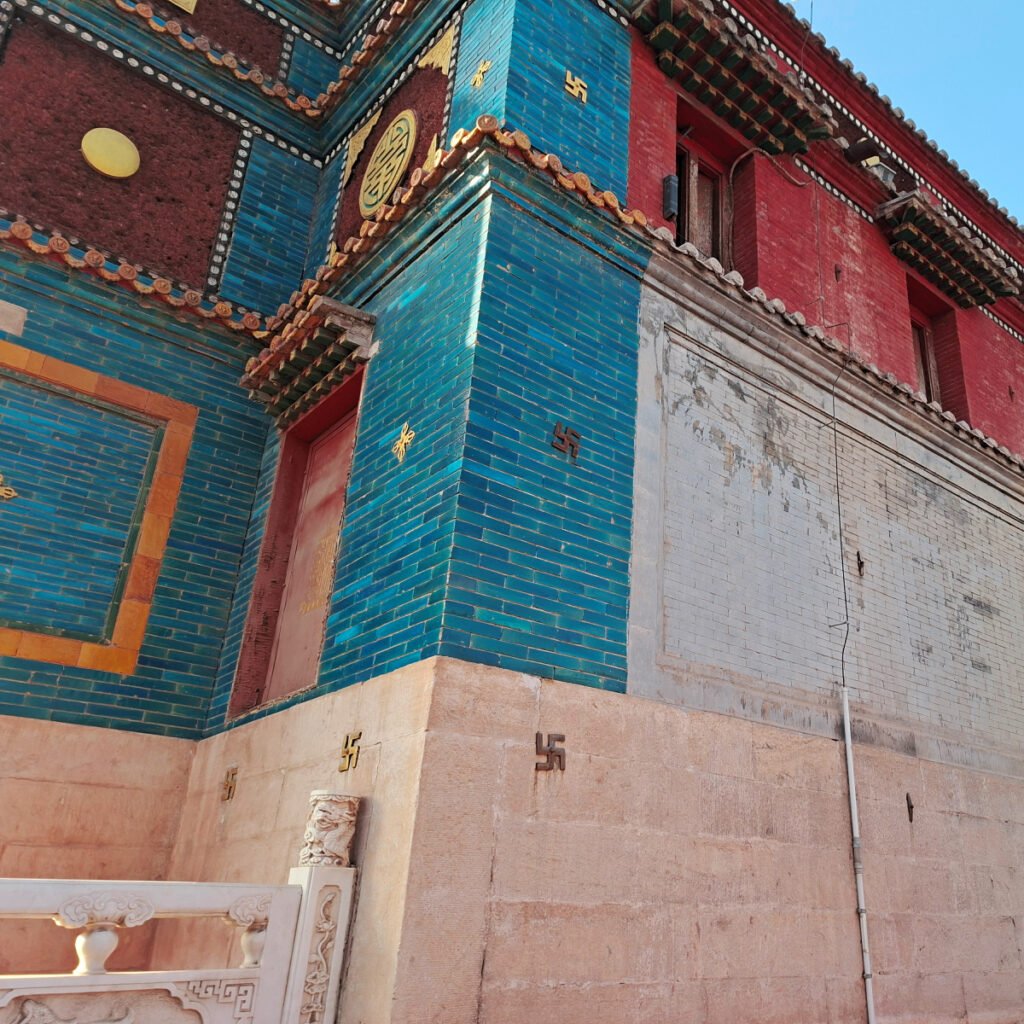
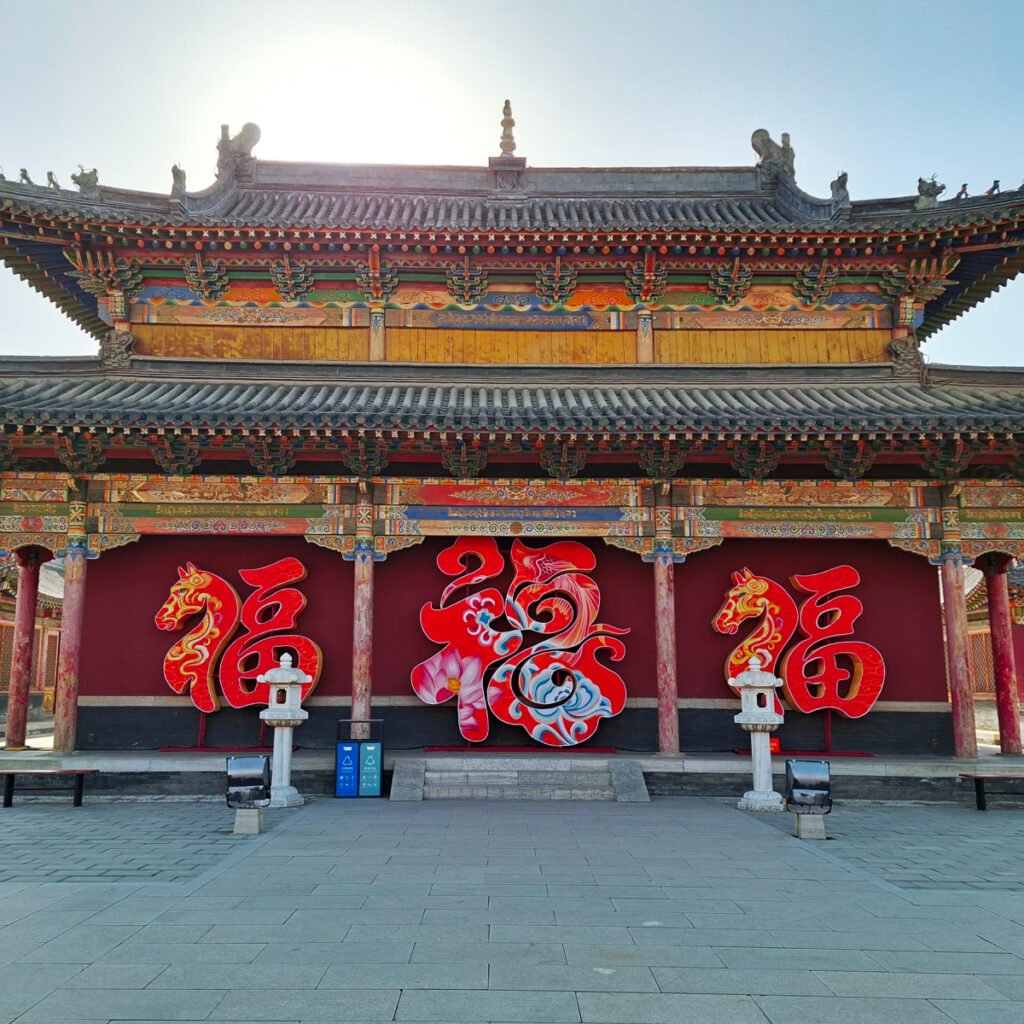
Across the street from Dazhao Temple is Xilitu Zhao Temple, another Tibetan temple that also features Han Chinese and Mongolian elements, and it came with an entrance fee of 12 yuan.

It was founded during the Ming dynasty (1368–1644).

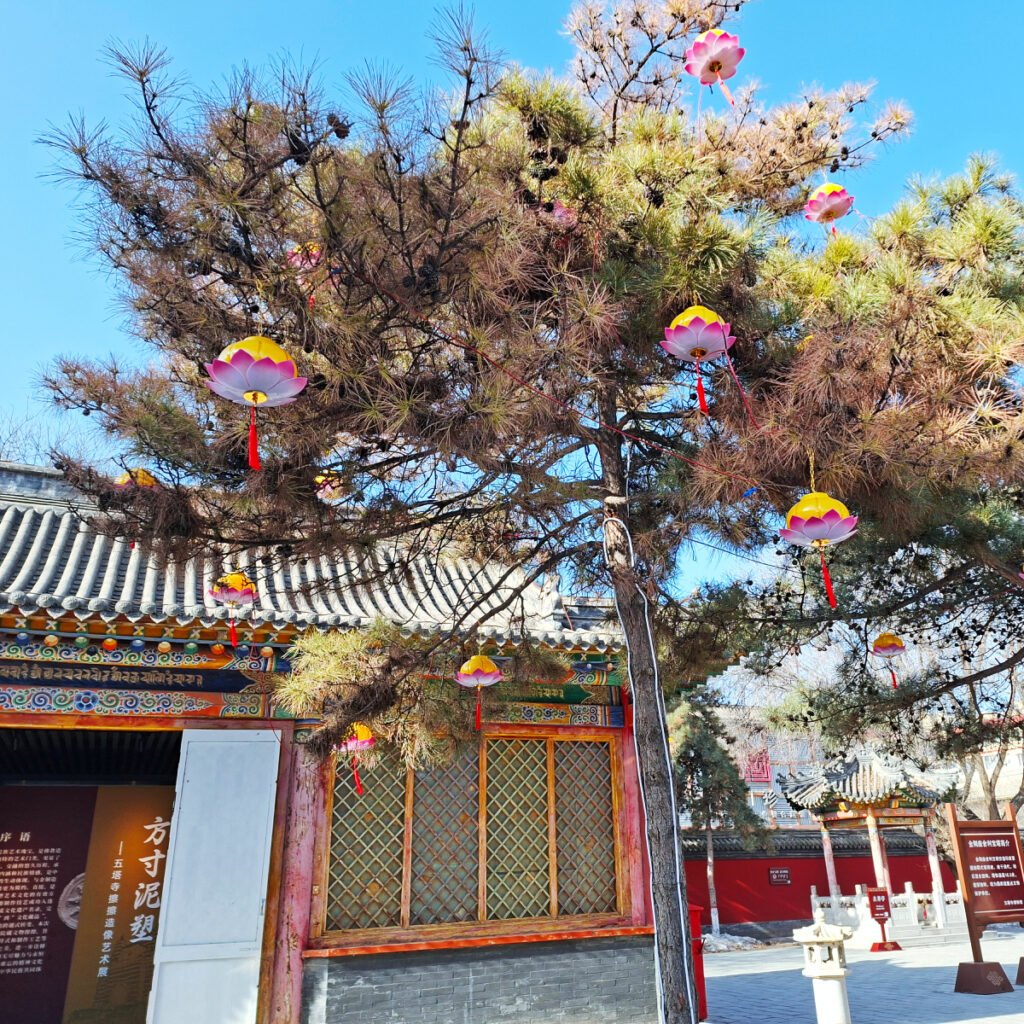
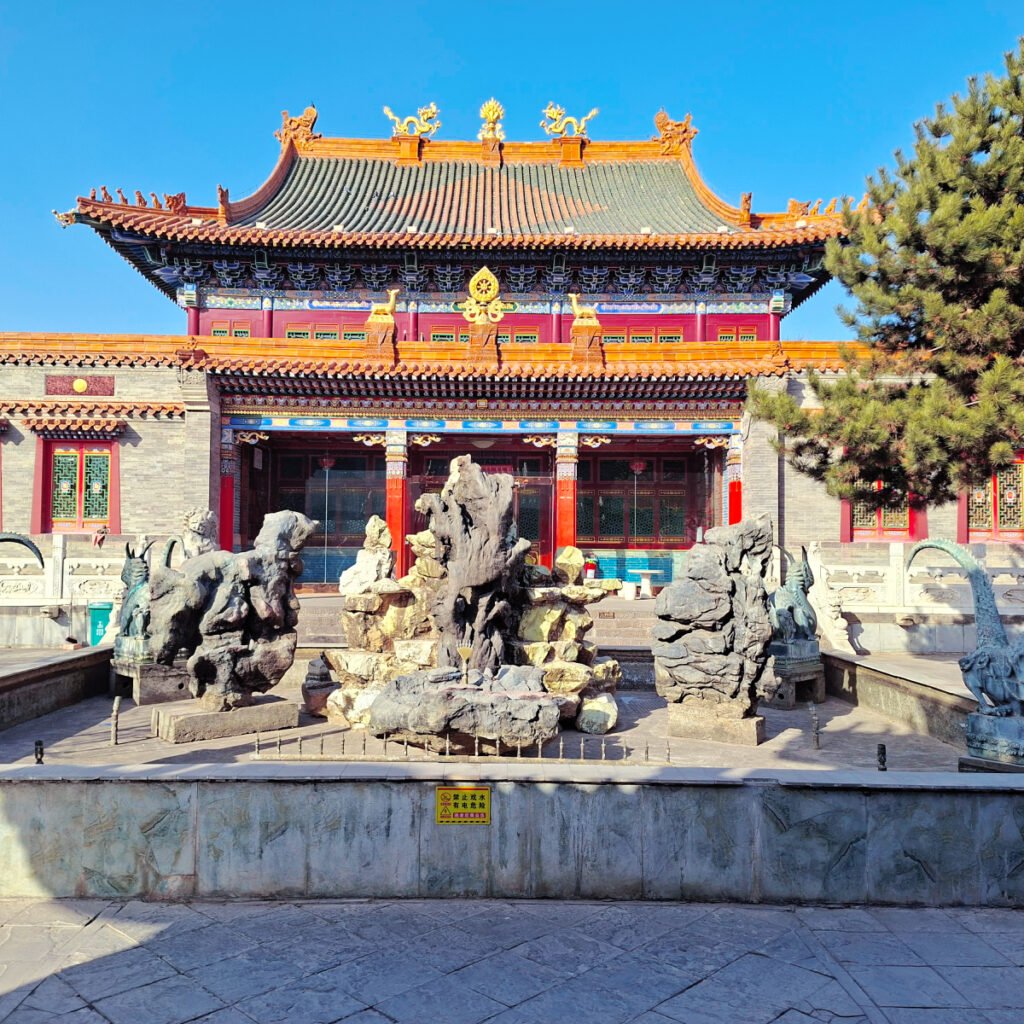
This temple was definitely worth the money, as it was a beautiful little temple that didn’t have many visitors but featured a few beautiful buildings and had a tranquil atmosphere.

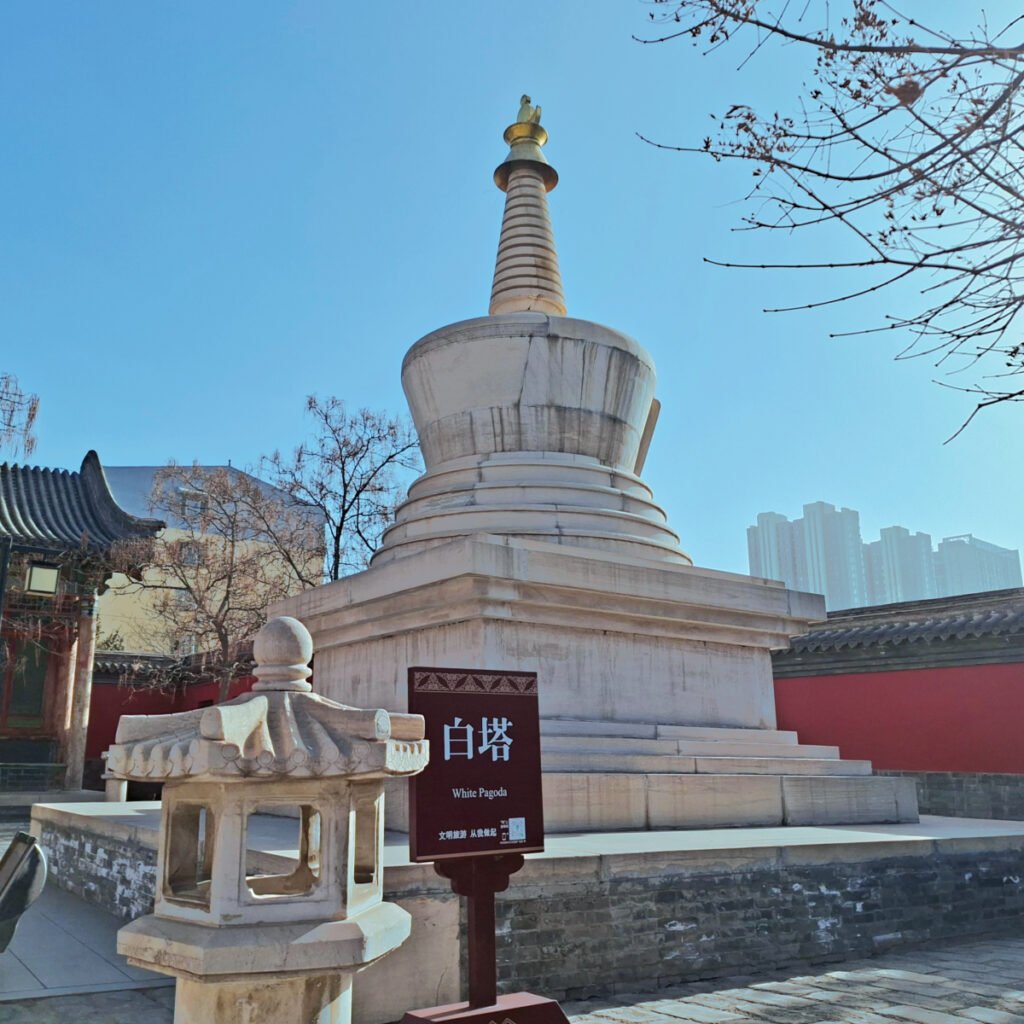
The main building was in Tibetan style, and another building was a stupa, which are common in these temples.

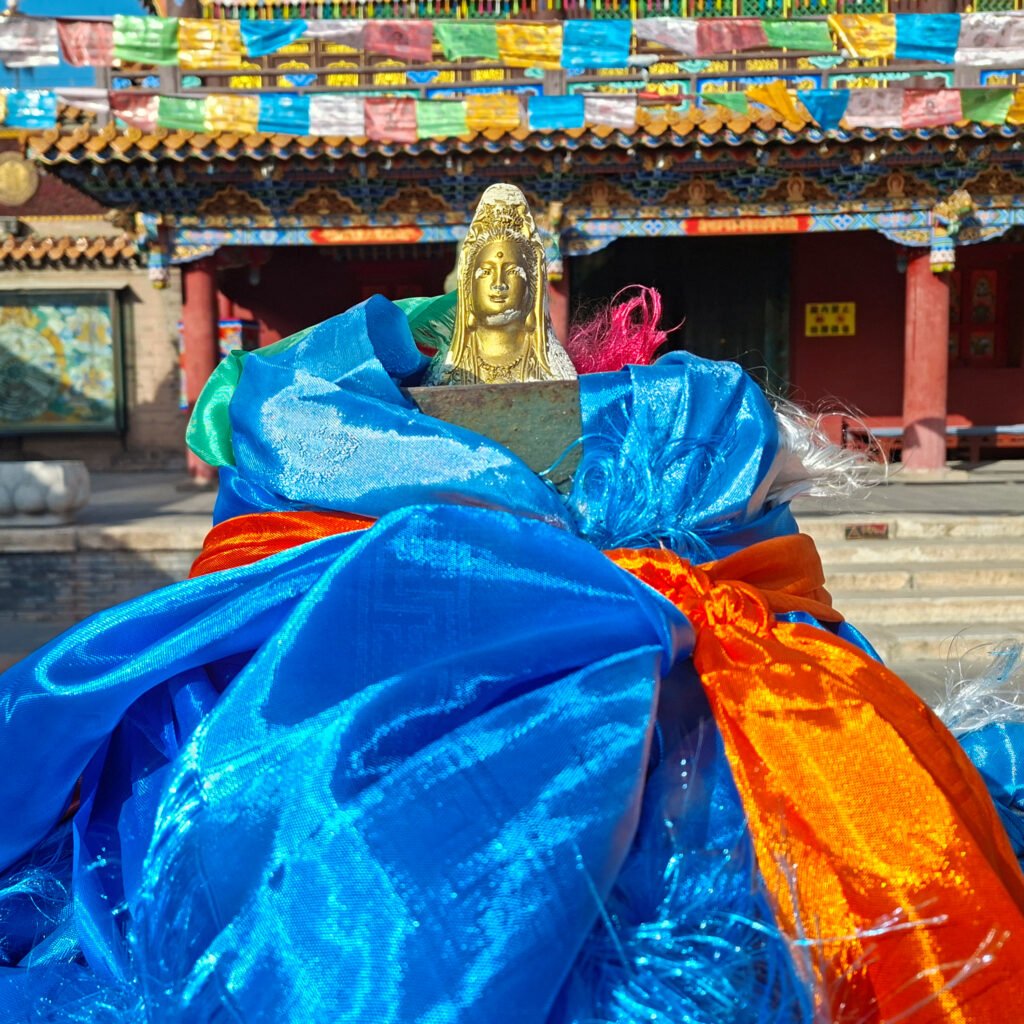
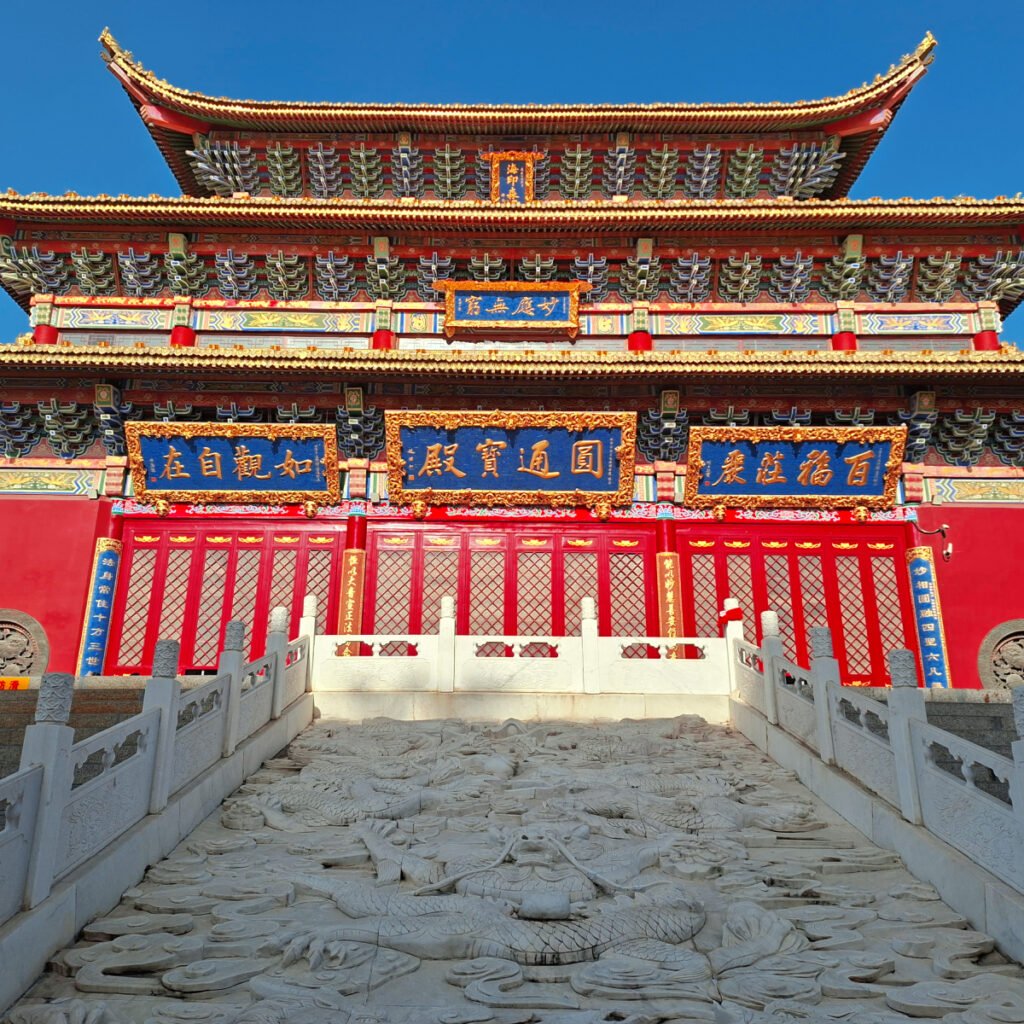
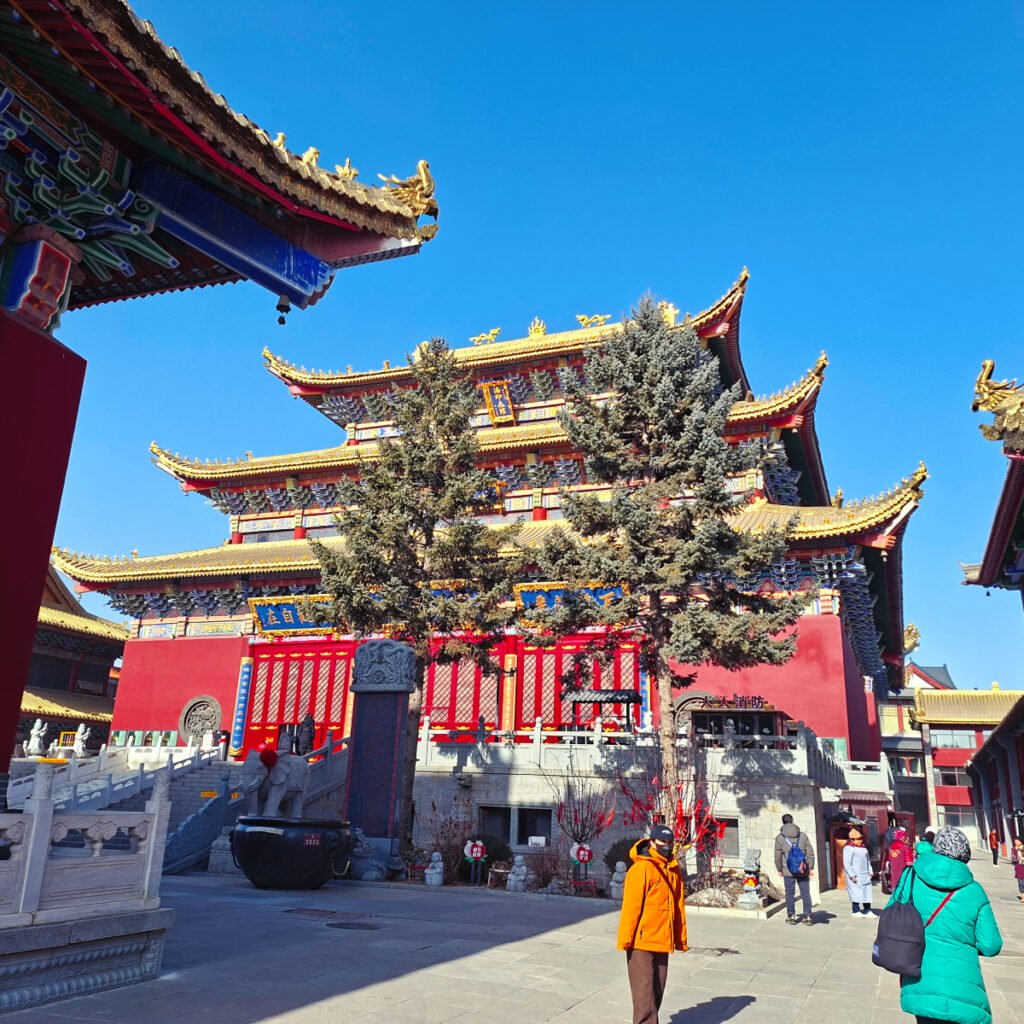
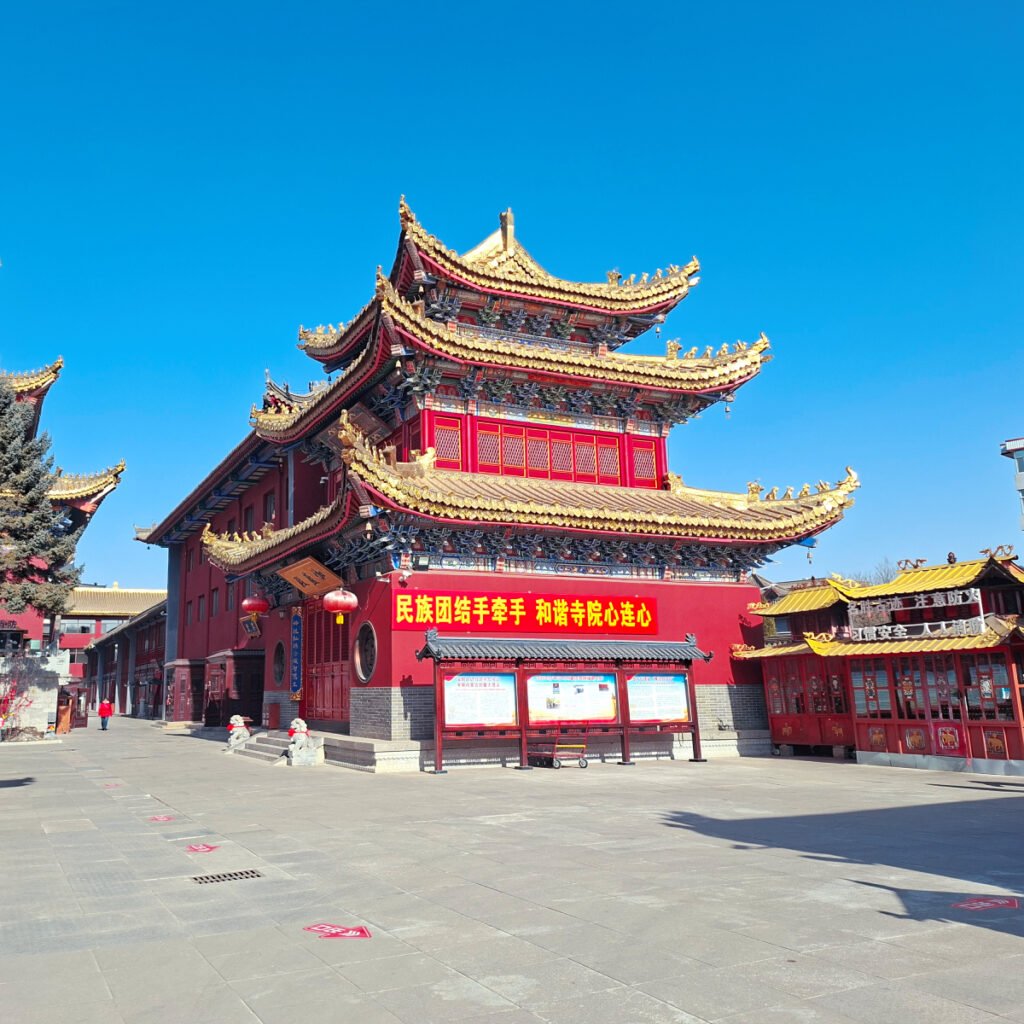
Another temple I enjoyed visiting was Guanyin Temple, which was located about 2 kilometers from the first two temples.

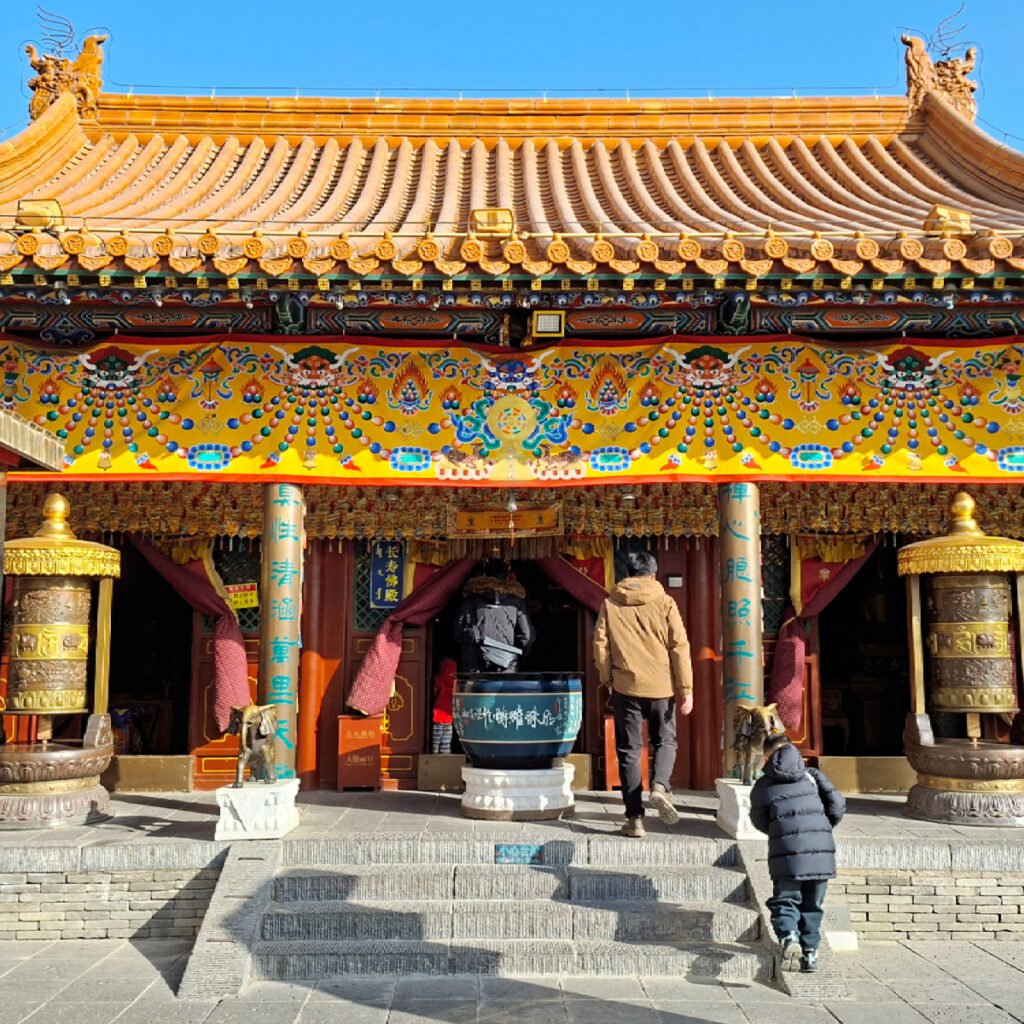
Guanyin Temple was beautiful and featured golden, shiny roofs, and it was free of charge.

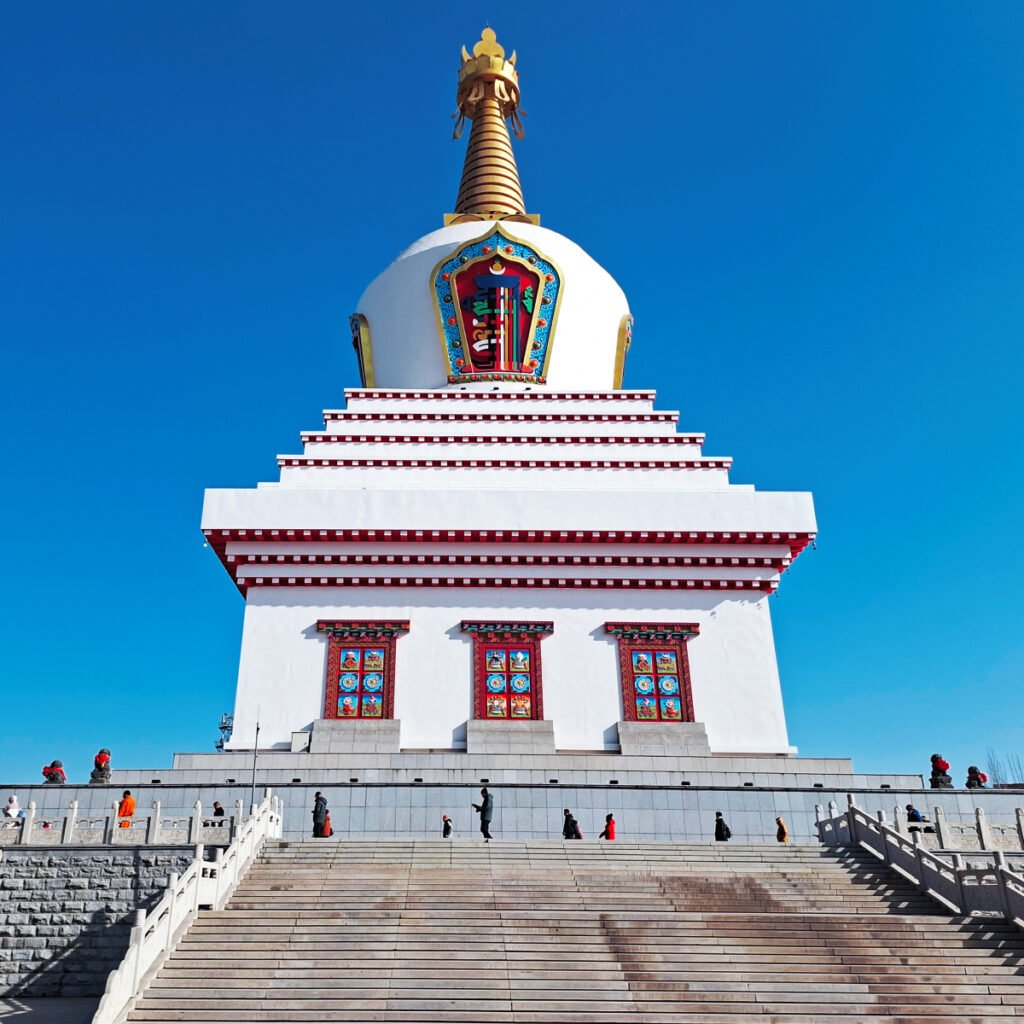
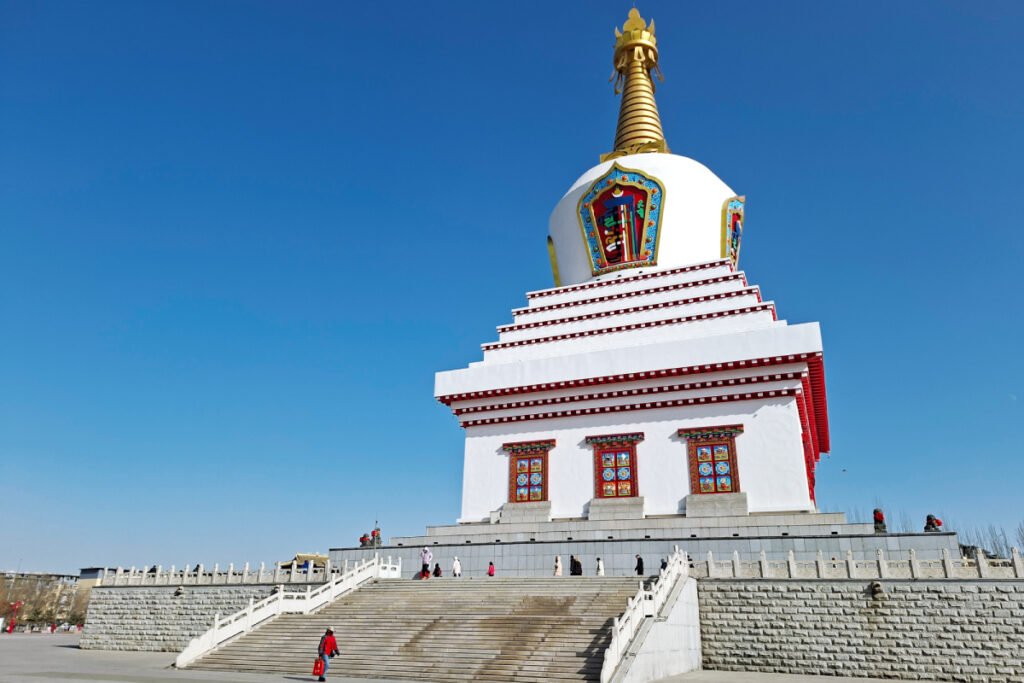
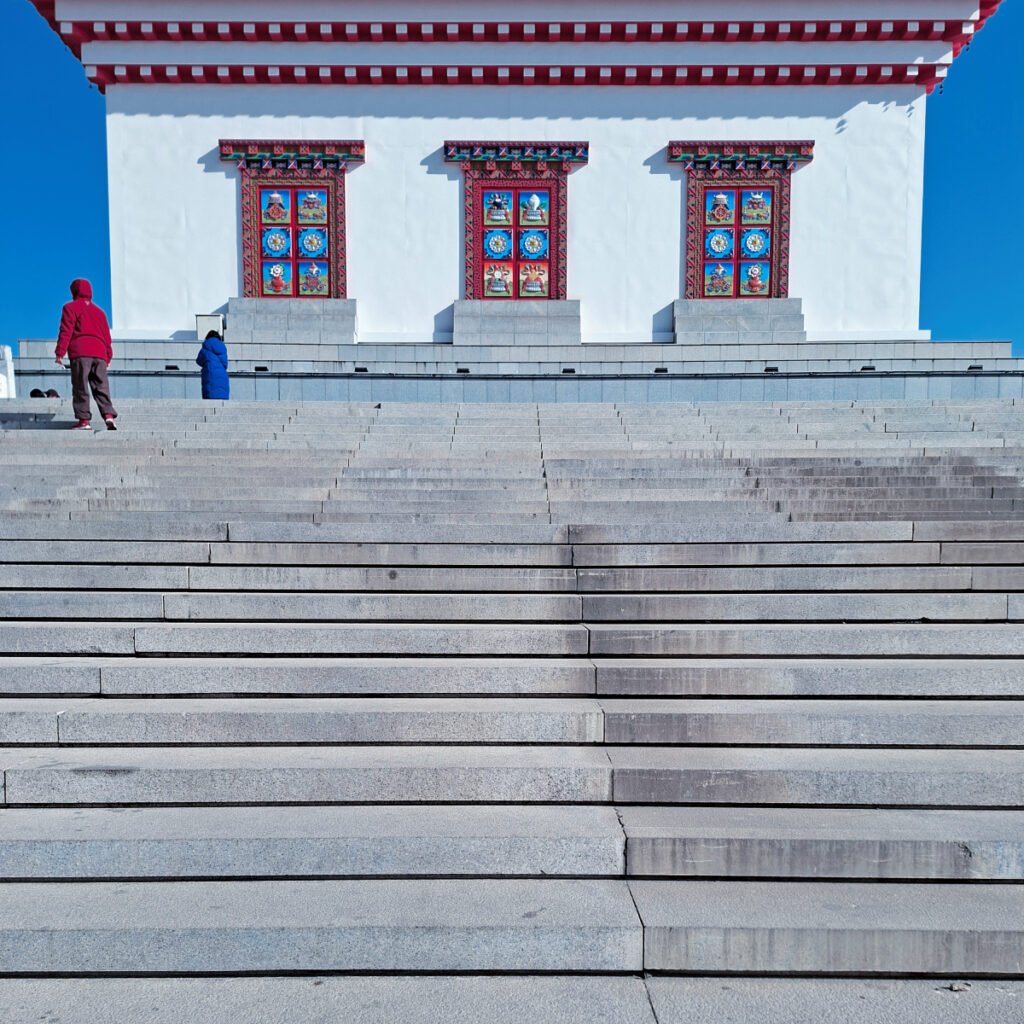
Opposite was a square that featured a big stupa, with a few people circumambulating it in a clockwise direction, as is common in Tibetan Buddhism.

The stupa is called Baoerhan Stupa and is another Tibetan-style building in town.

There is no entrance fee for this stupa either, making travel much cheaper compared to the past, when almost every sight and park had an entrance fee.

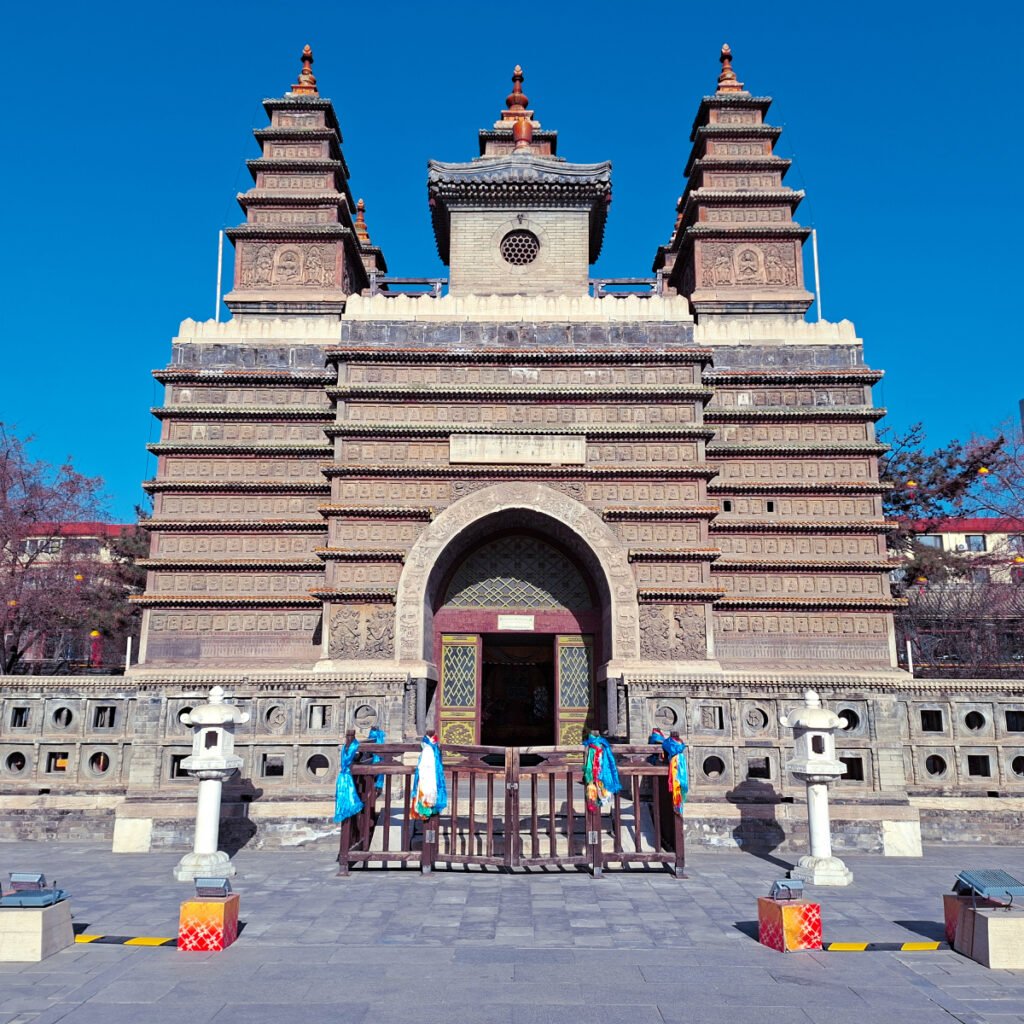
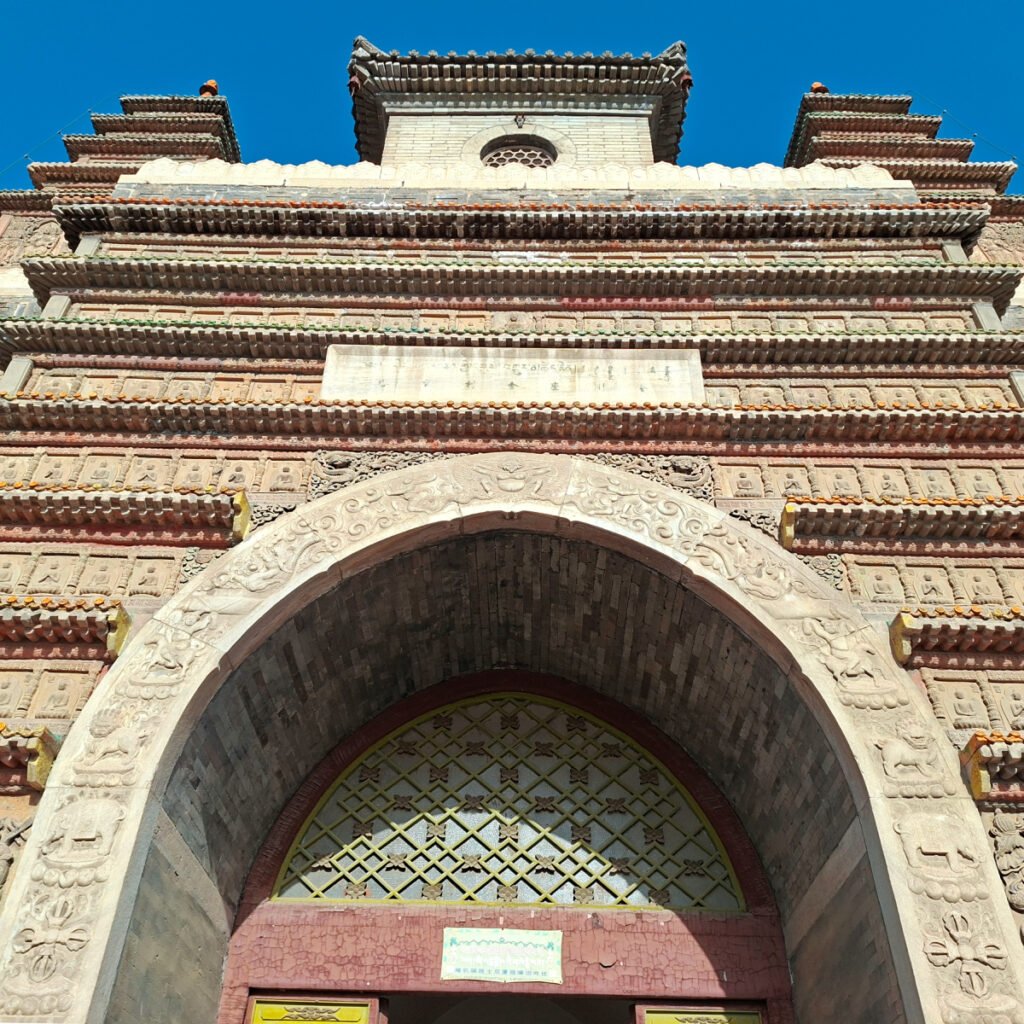
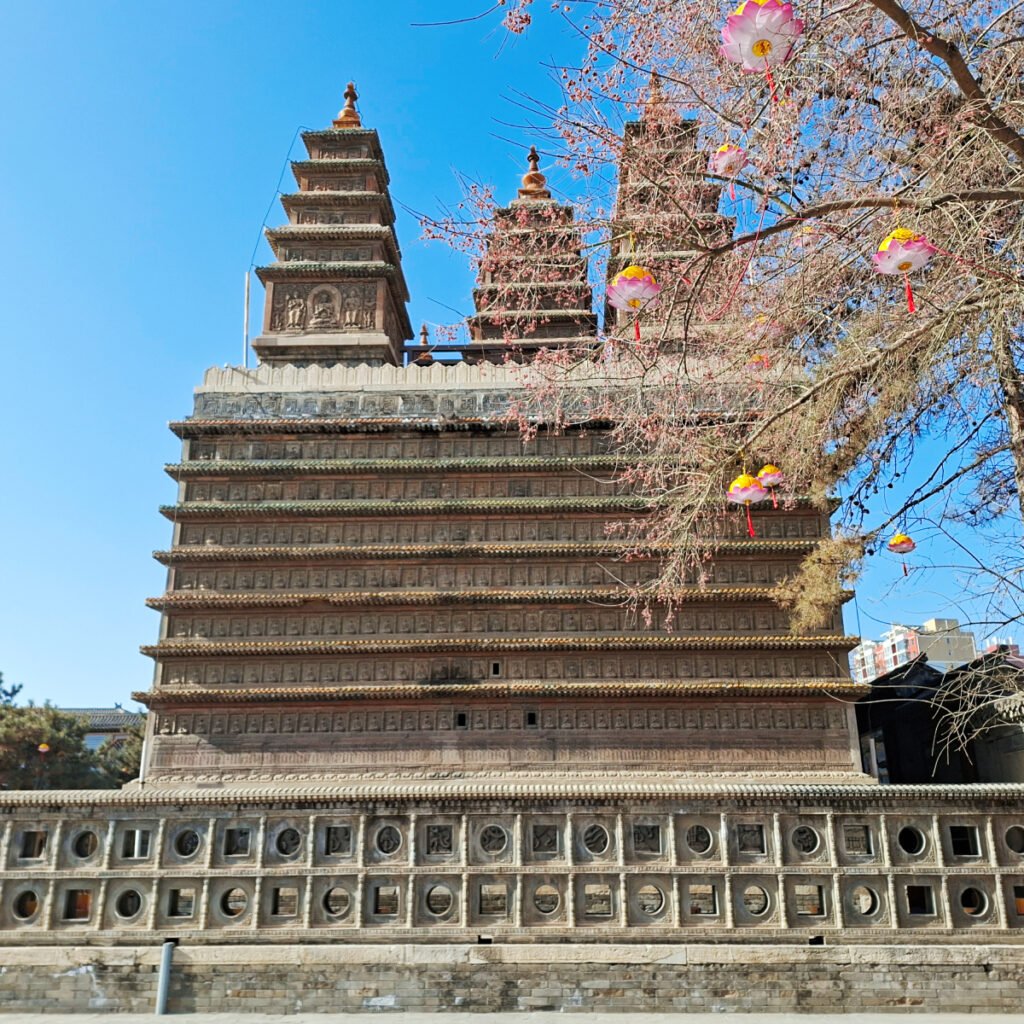
The Five-Pagoda Temple, also located in downtown Hohhot, was another temple worth visiting, and it had quite unique architecture.

It is also a Buddhist temple and features a building at the back that has around 1,563 carved Buddha statues on the outside of the temple’s walls.

It was built in the early 18th century.

This was another building that had no entrance fee.

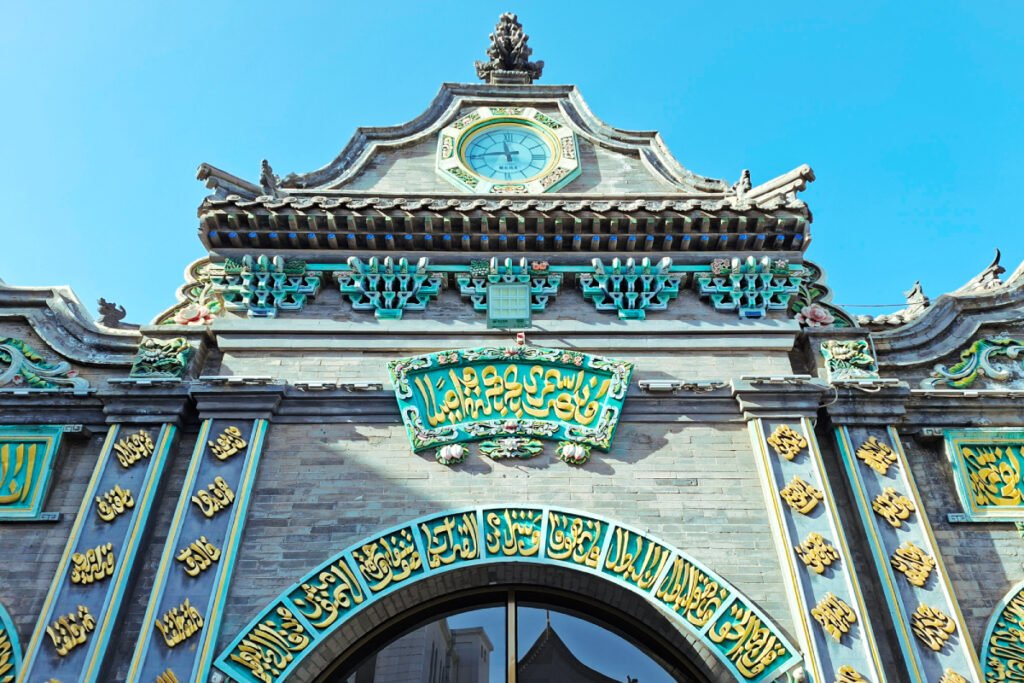
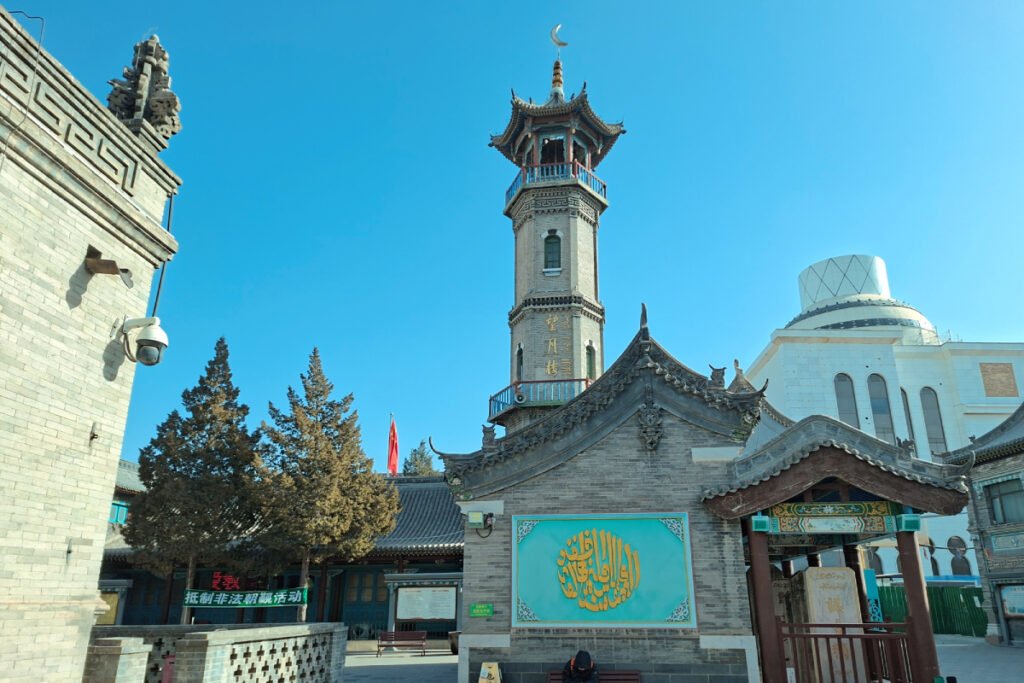
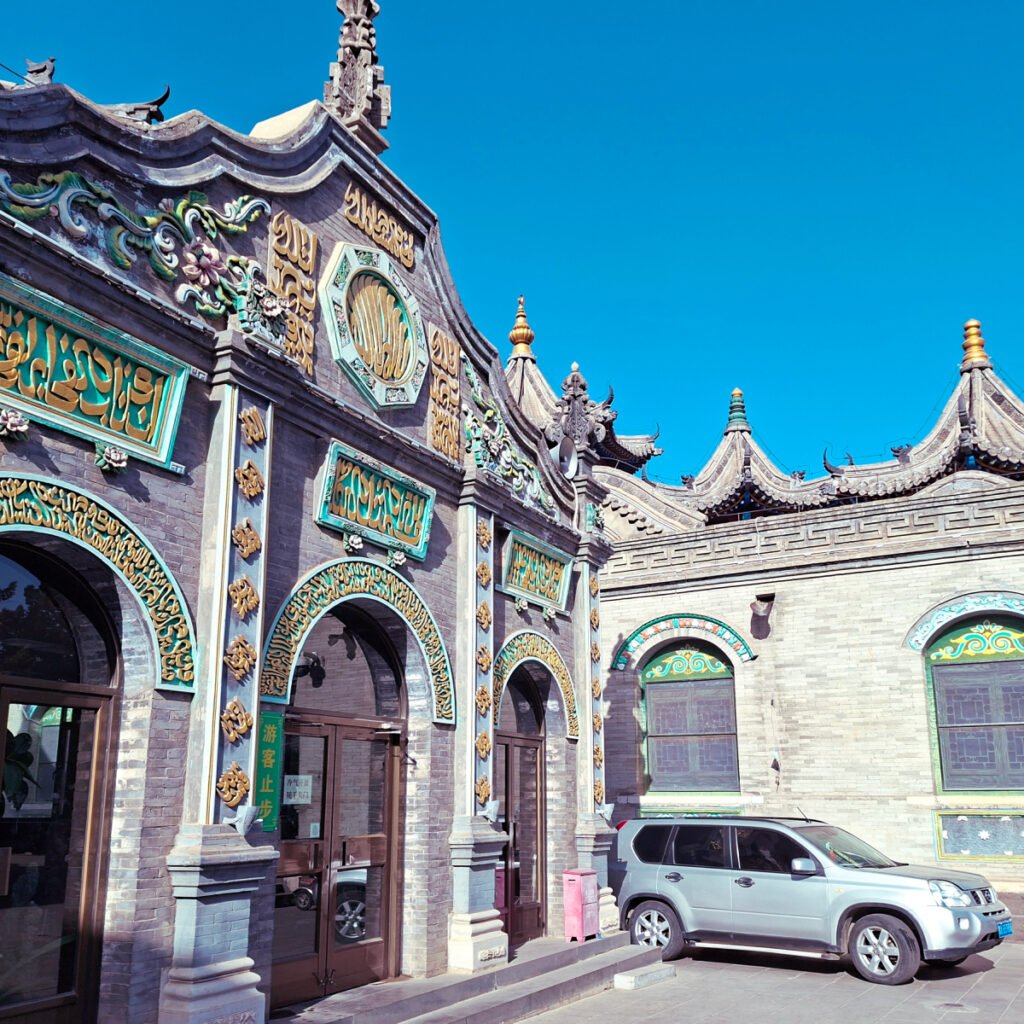
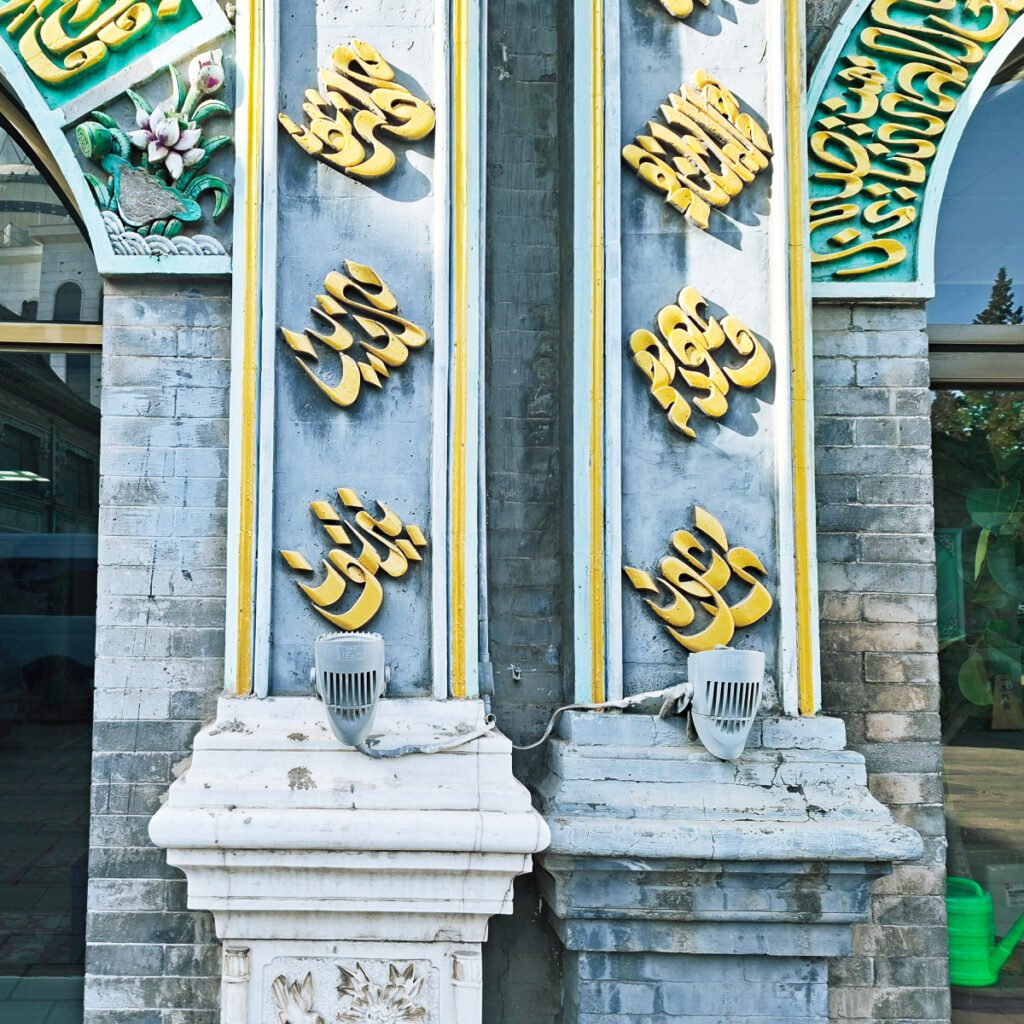
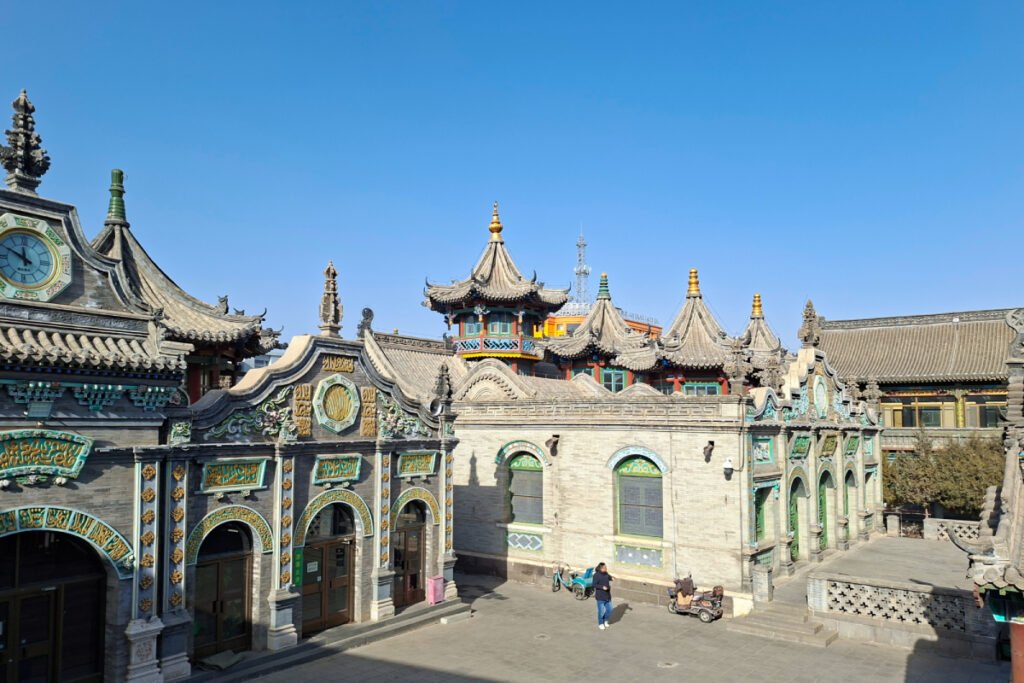
The last building I visited in the city center was the Great Mosque, another building featuring unique architecture.

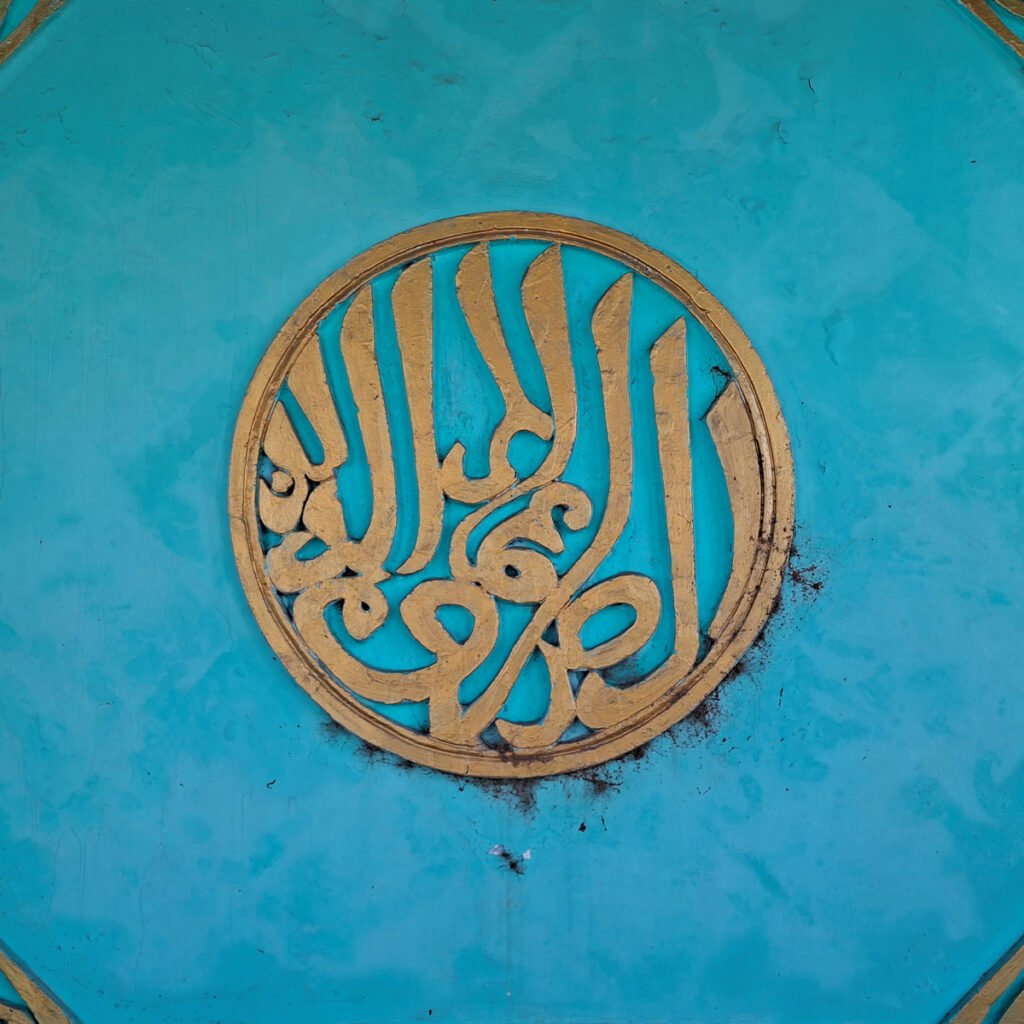
The architecture is a blend of Chinese and Islamic styles.

Although it is called the Great Mosque, it isn’t very large.

When I visited, visitors weren’t allowed to enter the building, but I could visit the courtyard.

In the back, a Muslim restaurant had a few visitors, and there were a few buildings in Arabian style located close by.

The mosque itself was built in 1693 by the Hui ethnic group, which may be the reason it has such unique architecture.

The mosque also had no entrance fee and was open to all visitors (the courtyard), though make sure to dress appropriately.

Have you ever visited Hohhot?

Follow me on:

Leave a Reply

Your email address will not be published. Required fields are marked *