
articles
China Elevator Stories
Making a Dream Come True: Visiting Labrang Monastery in Southern Gansu Province
I traveled to Labrang Monastery in Southern Gansu Province in February 2026.
12/02/2026

Ruth Silbermayr
Author
Dear readers,
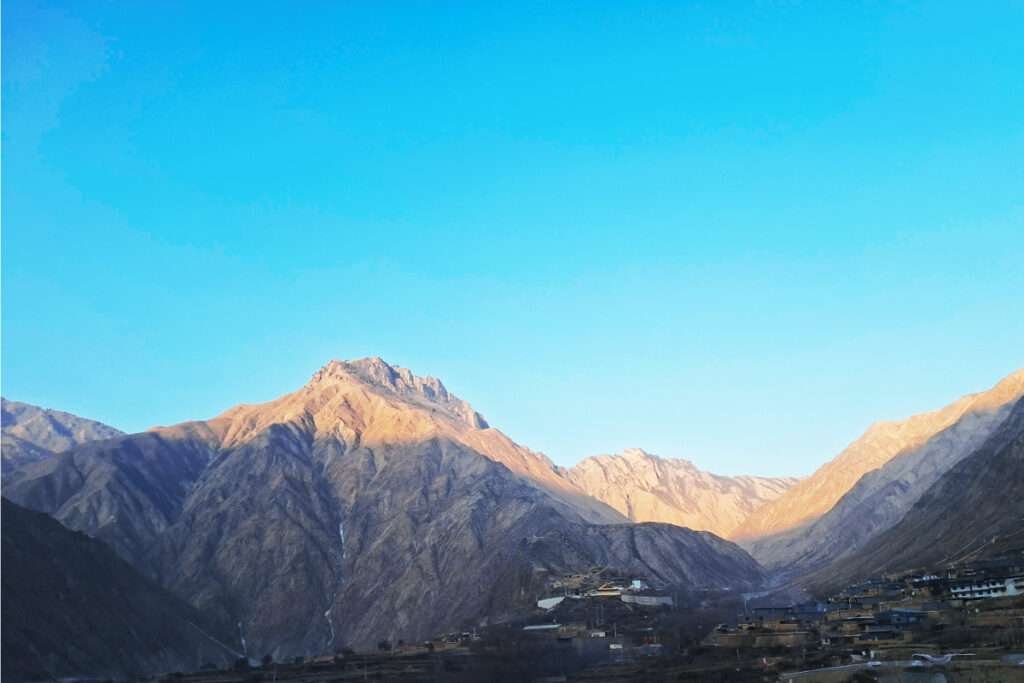
2026 is already six weeks old, and we’re nearing Chinese New Year. I have recently traveled to Inner Mongolia, Ningxia, Qinghai, and Gansu Province. I visited a long-time dream of mine—Labrang Monastery in southern Gansu Province, the most beautiful place I have ever been to in China. I wanted to go there many years ago, when I was still a student of Sinology and was about to start my studies in Kunming, but couldn’t because it wasn’t accessible (I think the road was blocked or something). This place is very special, and it wasn’t as commercialized as some other places.
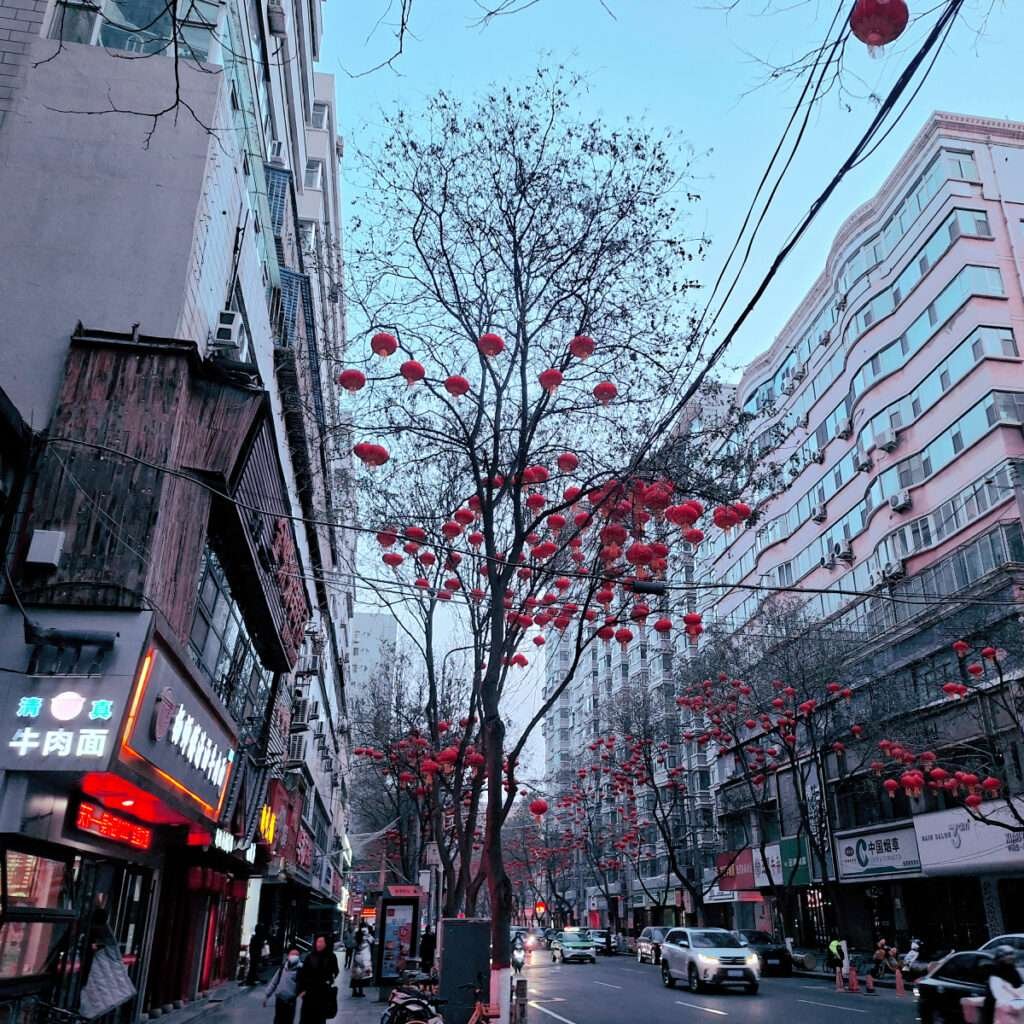
Another place I visited was Lanzhou, and I have to be honest: it quickly became my favorite city in China (and I’ve been to quite a few, including many provincial capitals). This is a hidden gem—less well-known as a tourist destination compared with more popular cities like Beijing, Shanghai, or Hangzhou. Lanzhou, the capital of Gansu Province, is rich in culture and history. I absolutely loved it!
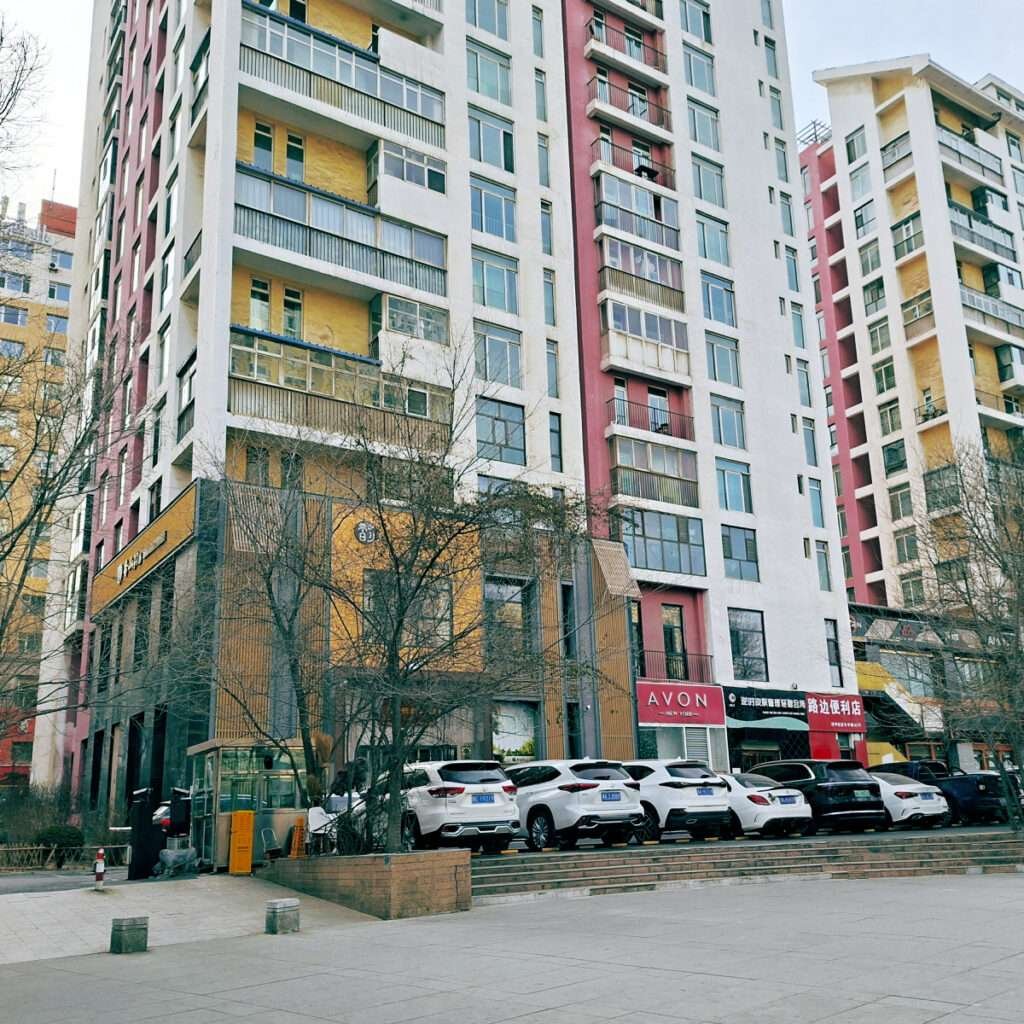
I wasn’t much of a fan of Xining, the provincial capital of Qinghai Province, and I don’t think it’s truly worth visiting if you have other options (there simply isn’t much history or many sights to see compared to certain other cities). However, it serves as a good starting point for exploring nearby attractions, including Labrang Monastery, which can be reached by bus or car from Xining (the trip takes 4–5 hours one way) and passes through the Tibetan Plateau and a mountain range called the Amne Machin Mountains—a most beautiful sight in winter, even when there is no snow.
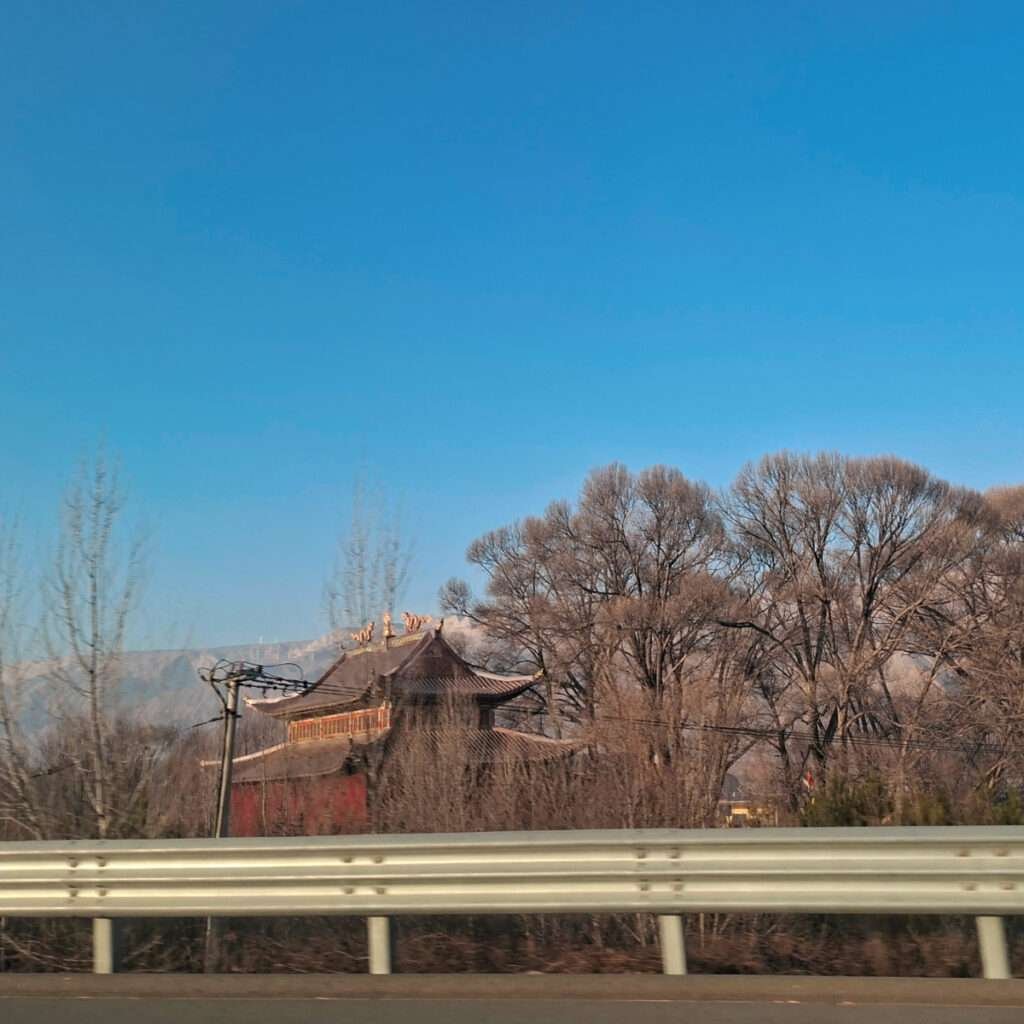
The road leading there features pristine natural landscapes dotted with Buddhist temples and another monastery on the way to Labrang, called Gartse Monastery.
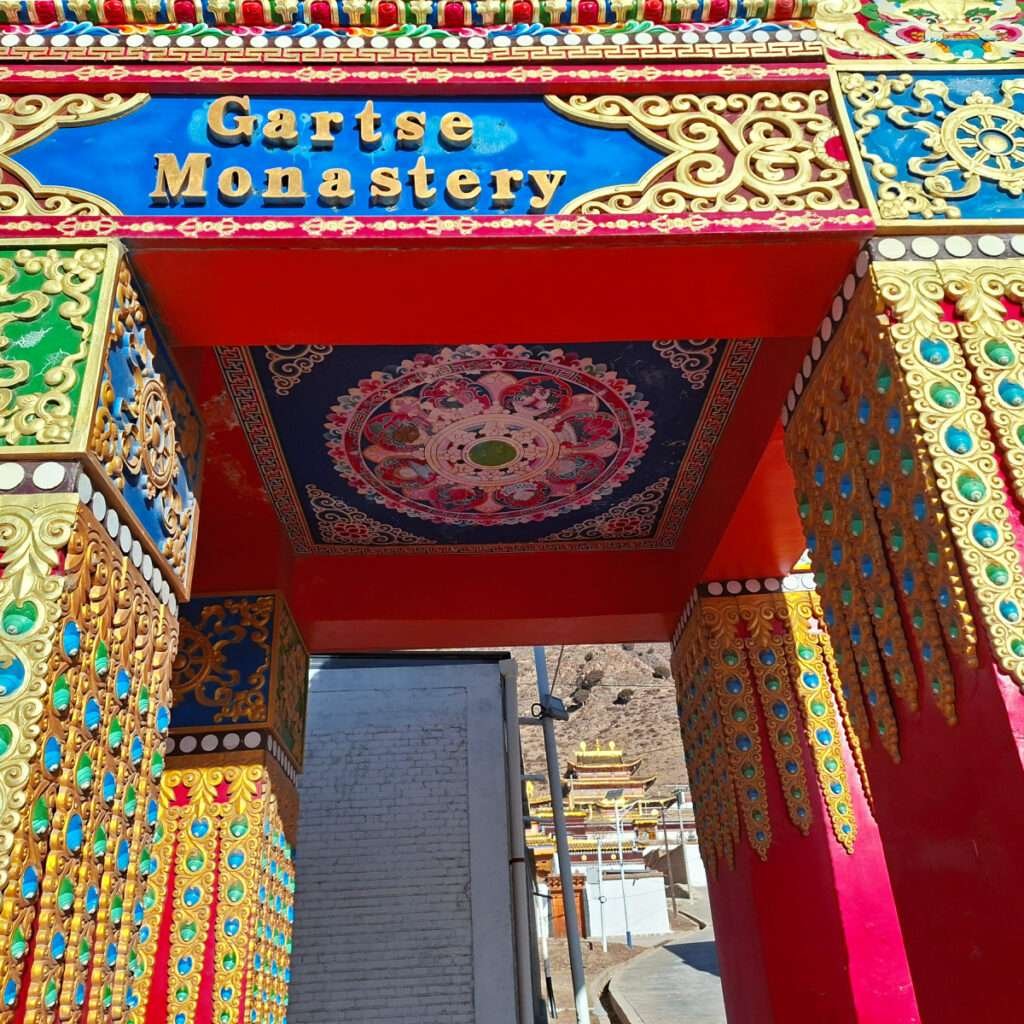
It is a beautiful road trip with unique culture and landscapes as well.
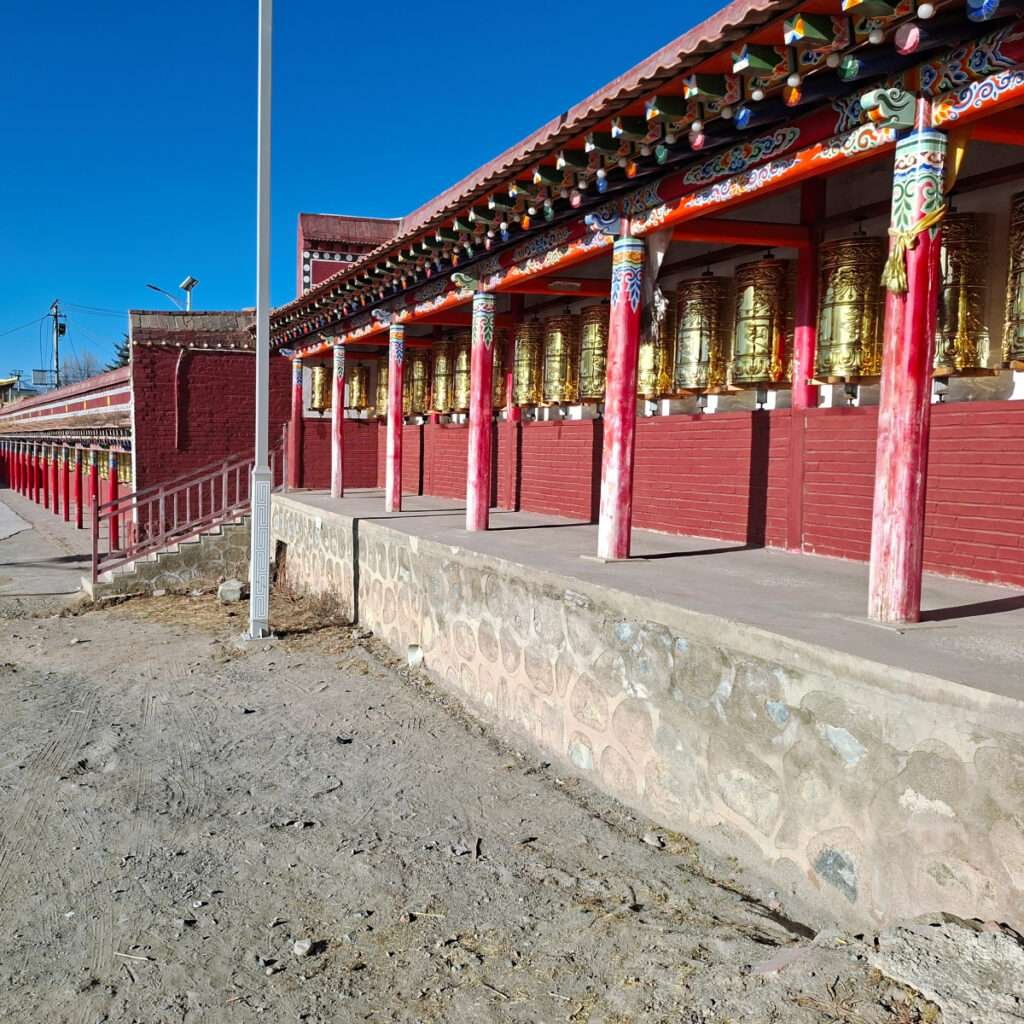
I was there at the beginning of February, and although it was winter-cold (still warmer than Northeast China) and the rivers were frozen, there wasn’t much snow.
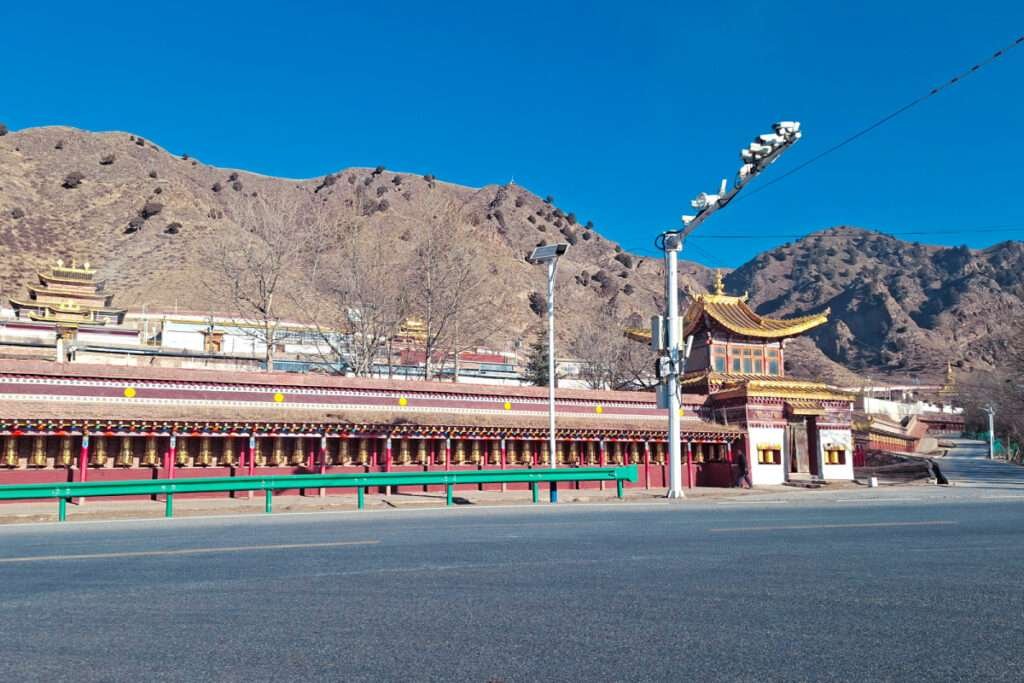
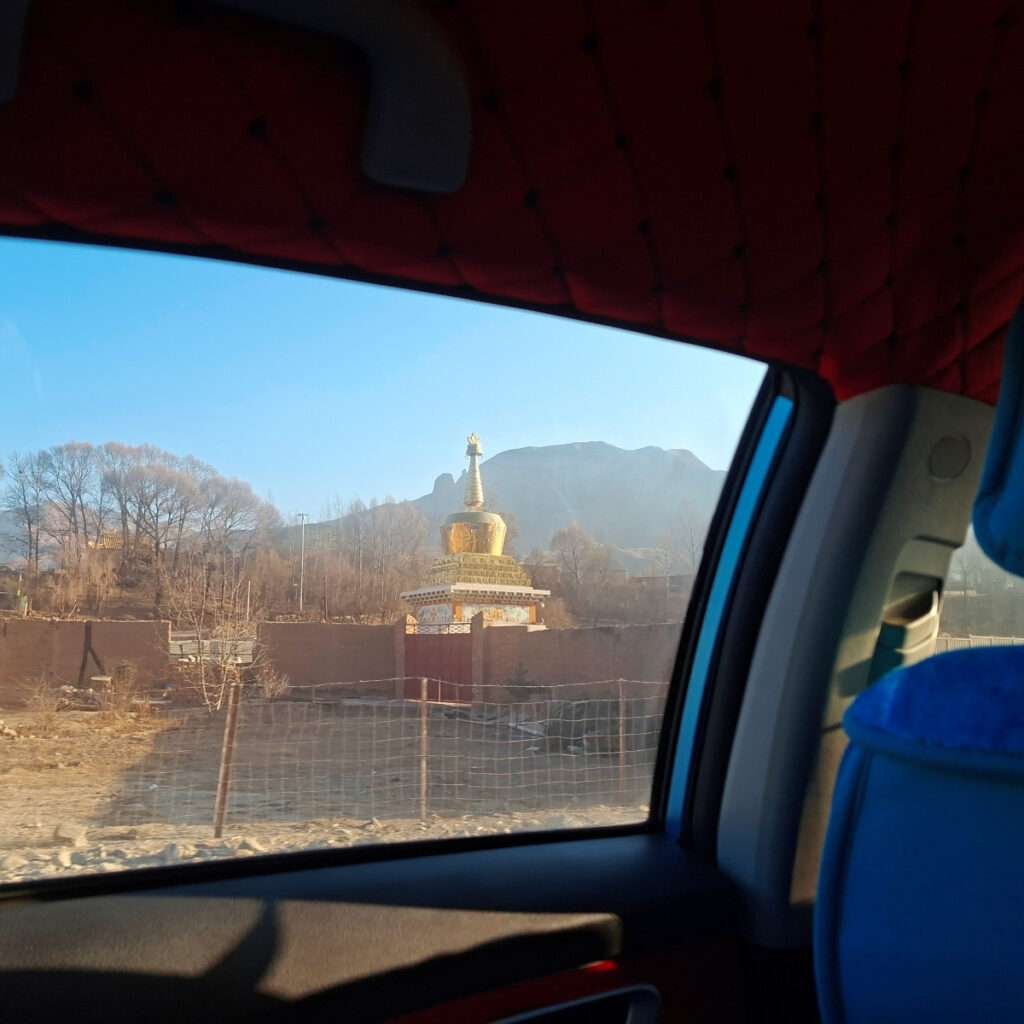
Tourists were rare, since most people tend to visit in the summer months, when the grasslands and the Tibetan highlands are lush and green. But there were quite a few Tibetans visiting, though I am not sure exactly which area they were from.
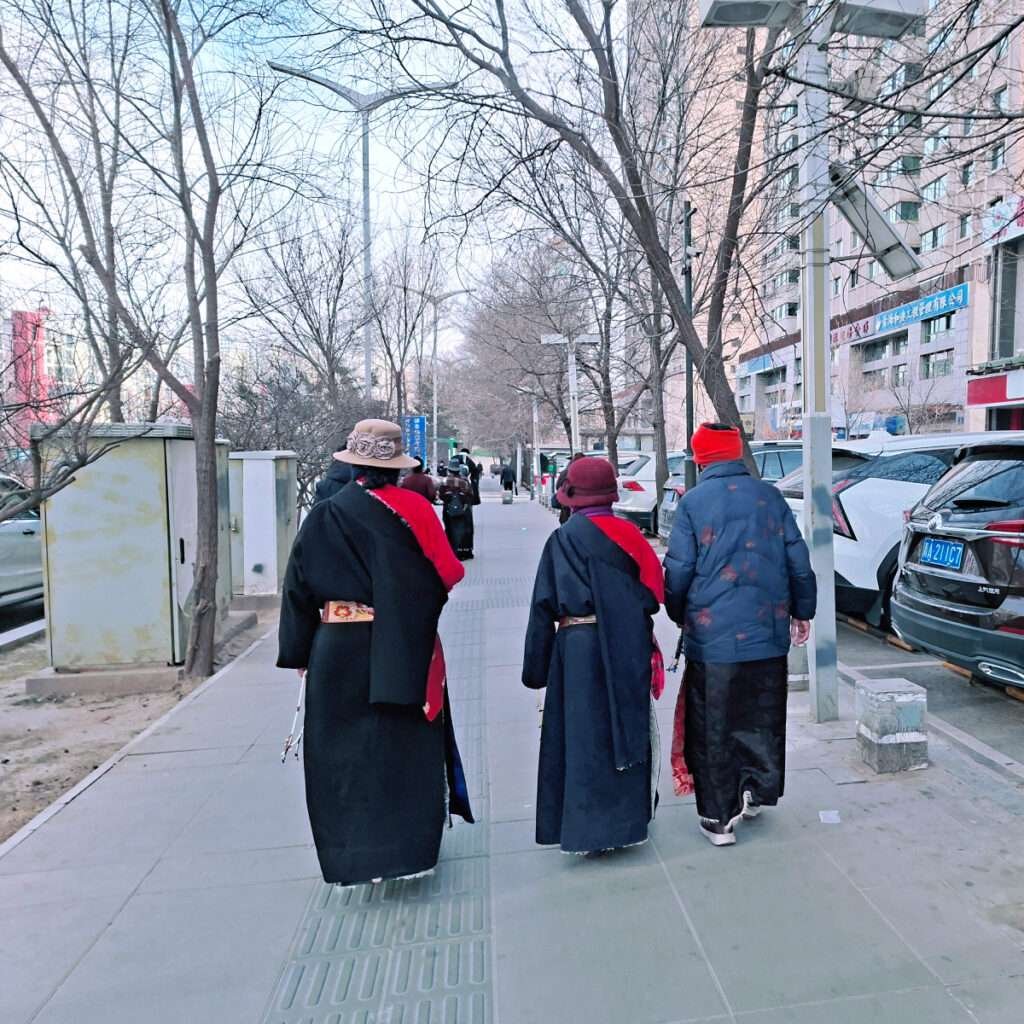
Quite a few Tibetans live in the region, and Xining is also a place Tibetans tend to visit. My hostel in Xining was very interesting in that there were no other Han Chinese tourists or foreigners, but there were Tibetan guests, such as one family with two little children who, naturally, spoke perfect Mandarin Chinese, as is common these days.
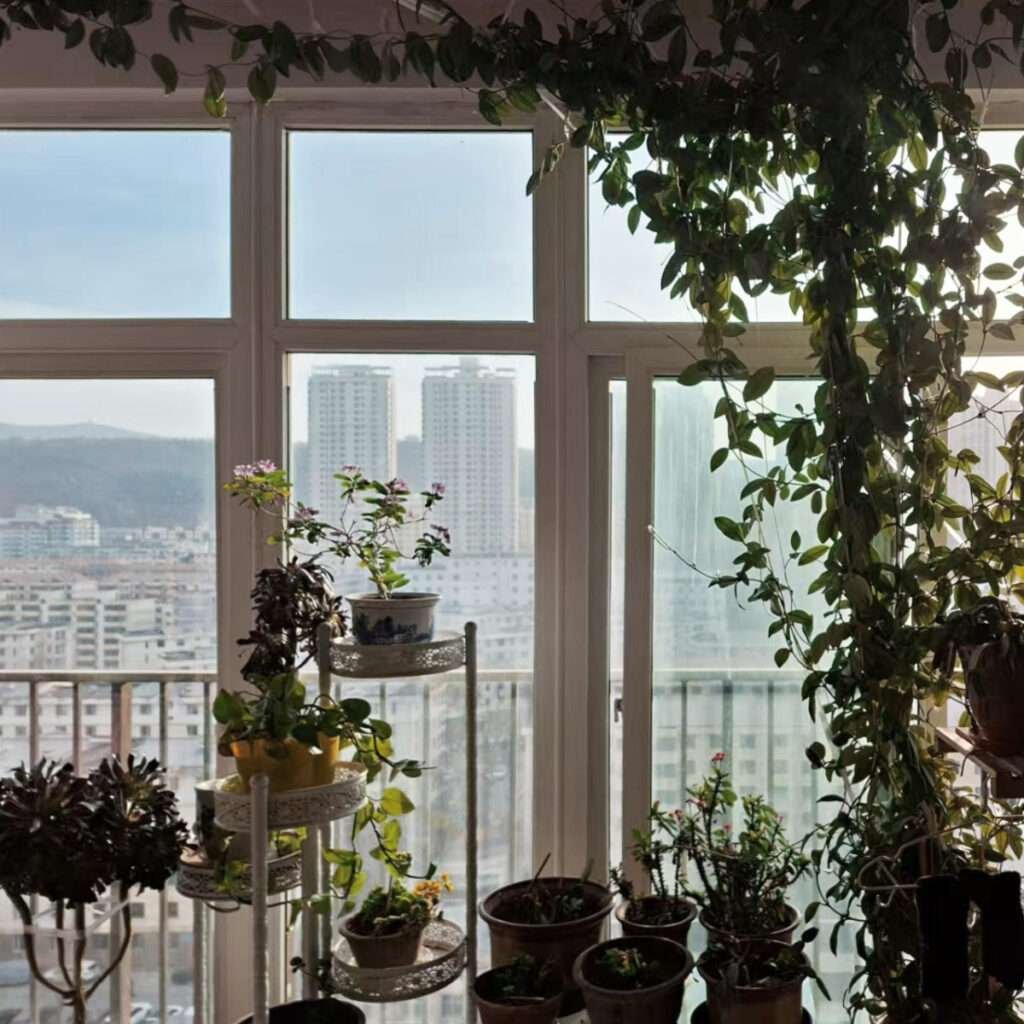
I came across a few older people who didn’t speak Mandarin at Labrang Monastery, which I have found to be very rare in China these days. I was even a bit surprised they truly didn’t speak any Chinese, as almost everyone else I have met has spoken Mandarin with me.
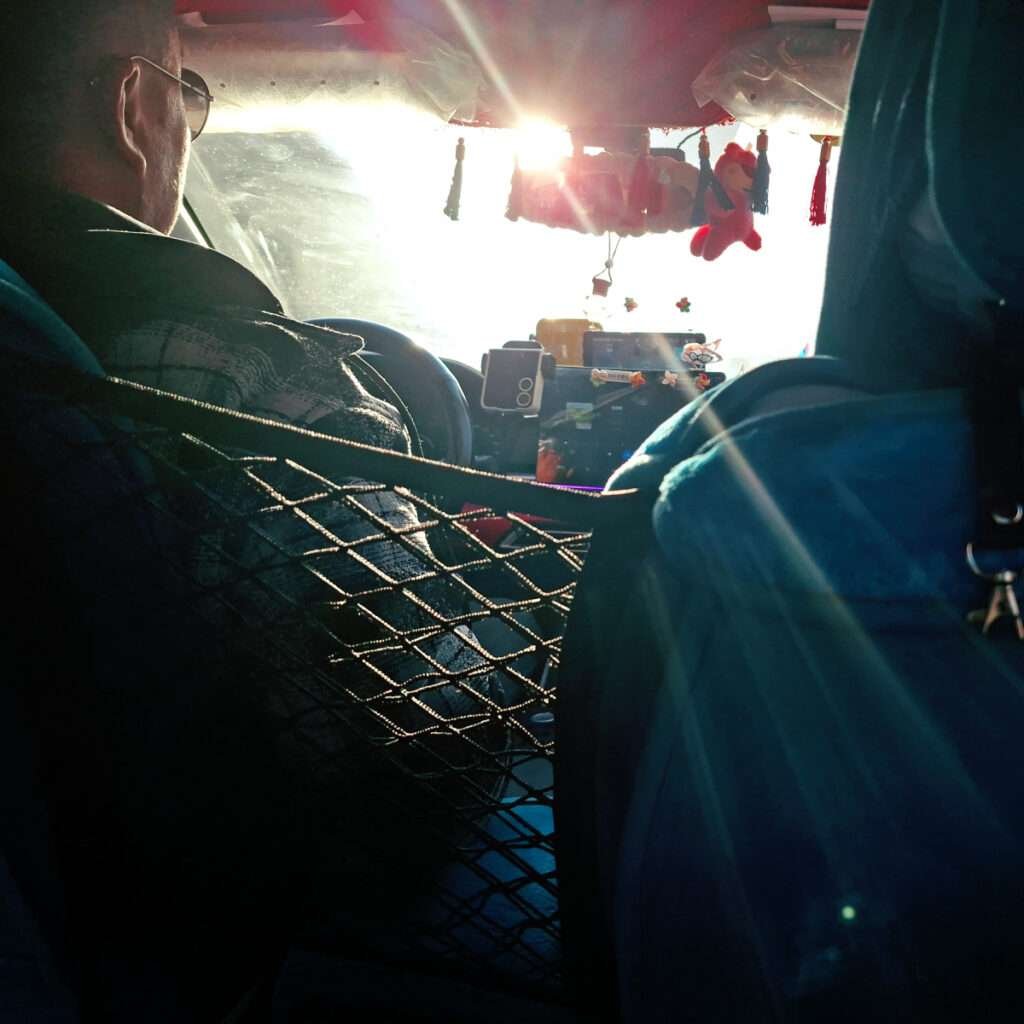
A driver belonging to the Salar minority—a predominantly Muslim Turkic ethnic group living mainly in Qinghai and Gansu—took me to Kumbum Monastery near Xining. This particular man didn’t look especially Turkic, though, so appearances can be misleading. The driver in the picture above is another person, who took me to Labrang Monastery along with a friend of his.
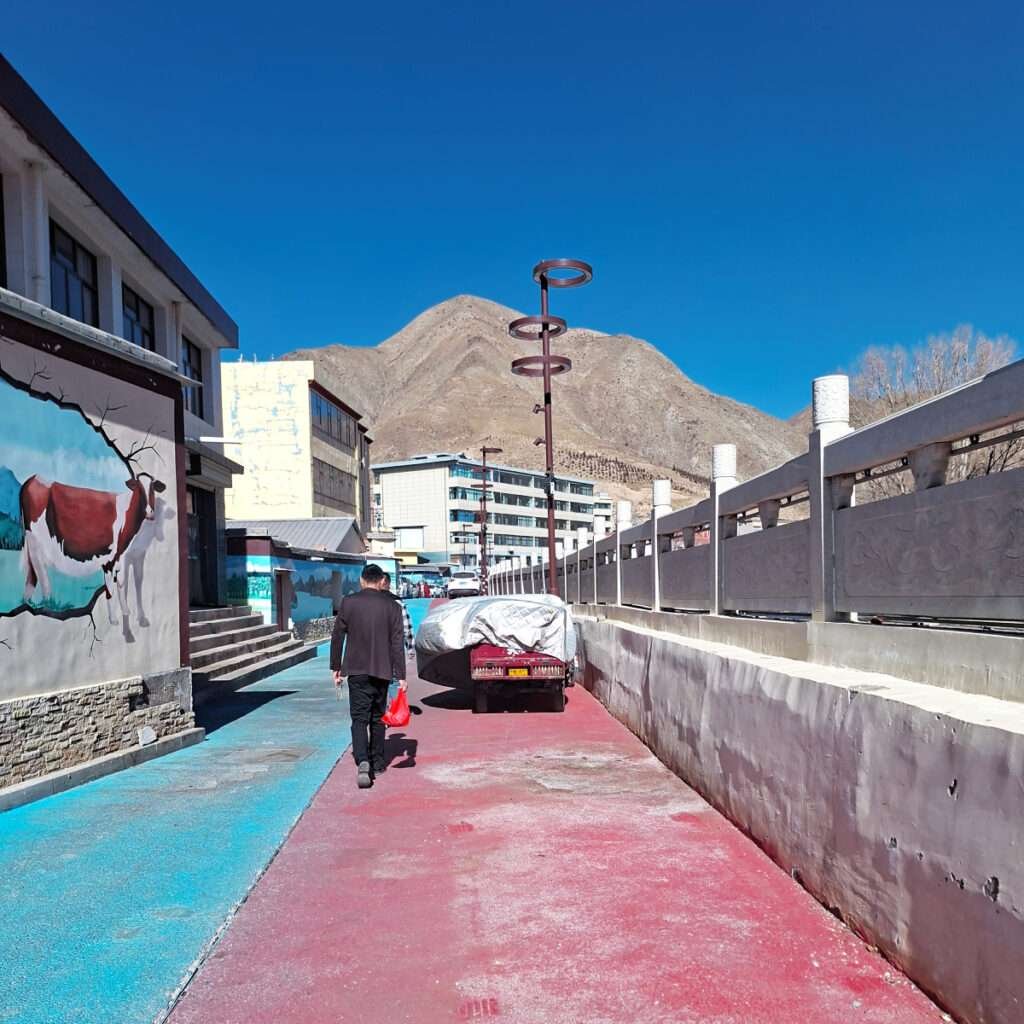
The Salar people speak their own language, Salar, which is a Turkic language. They are traditionally Sunni Muslims, and many trace their ancestry back to Central Asia, linked to groups that migrated from the region around Samarkand (Uzbekistan) centuries ago. Today, most Salar speak Mandarin.
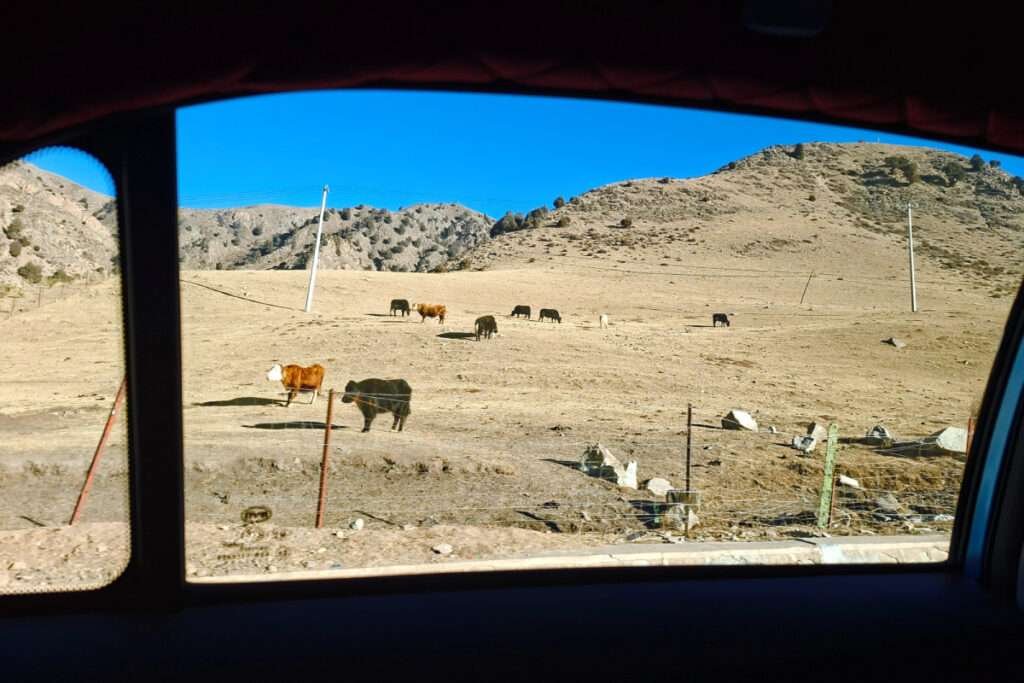
My driver spoke Mandarin similar to that spoken by Uighurs—with a distinct accent. In his own words, he is often mistaken for Uighur, since they also have a rolling “r” that shows up in his Mandarin, as well as a different intonation when speaking it.
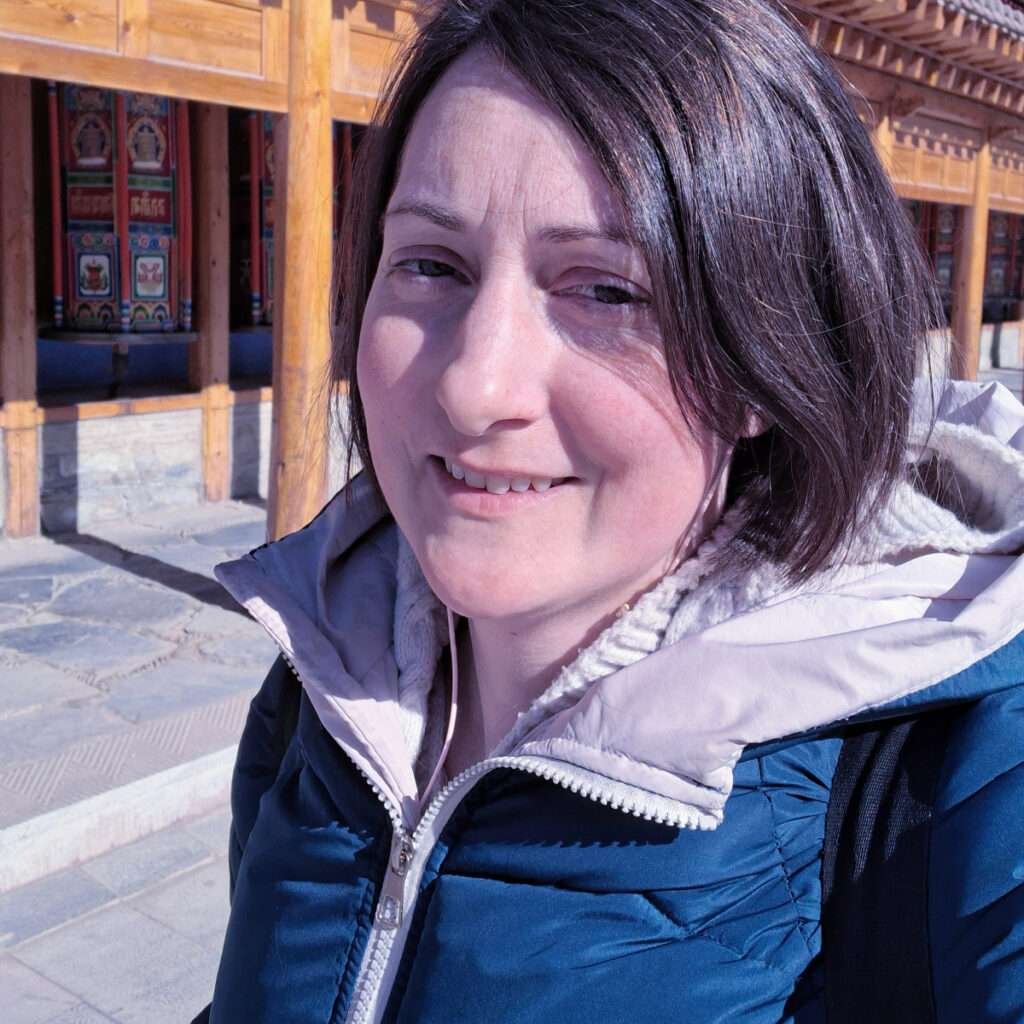
But then, I am also constantly mistaken for someone from Xinjiang, since the Chinese in Siping tend to think: speaks Chinese fluently + doesn’t look Han Chinese = Uighur. I always find this a bit far-fetched, since Uighurs tend to look quite different from me, but that is what I am usually called by strangers in China these days, at least by those in Jilin Province. Uighurs were able to spot the difference easily in 2016, when I visited the province for the first time (it is a province worth visiting, offering fascinating historical sites and cities. The Uighurs I met were friendly, sociable, and generally welcoming toward strangers.
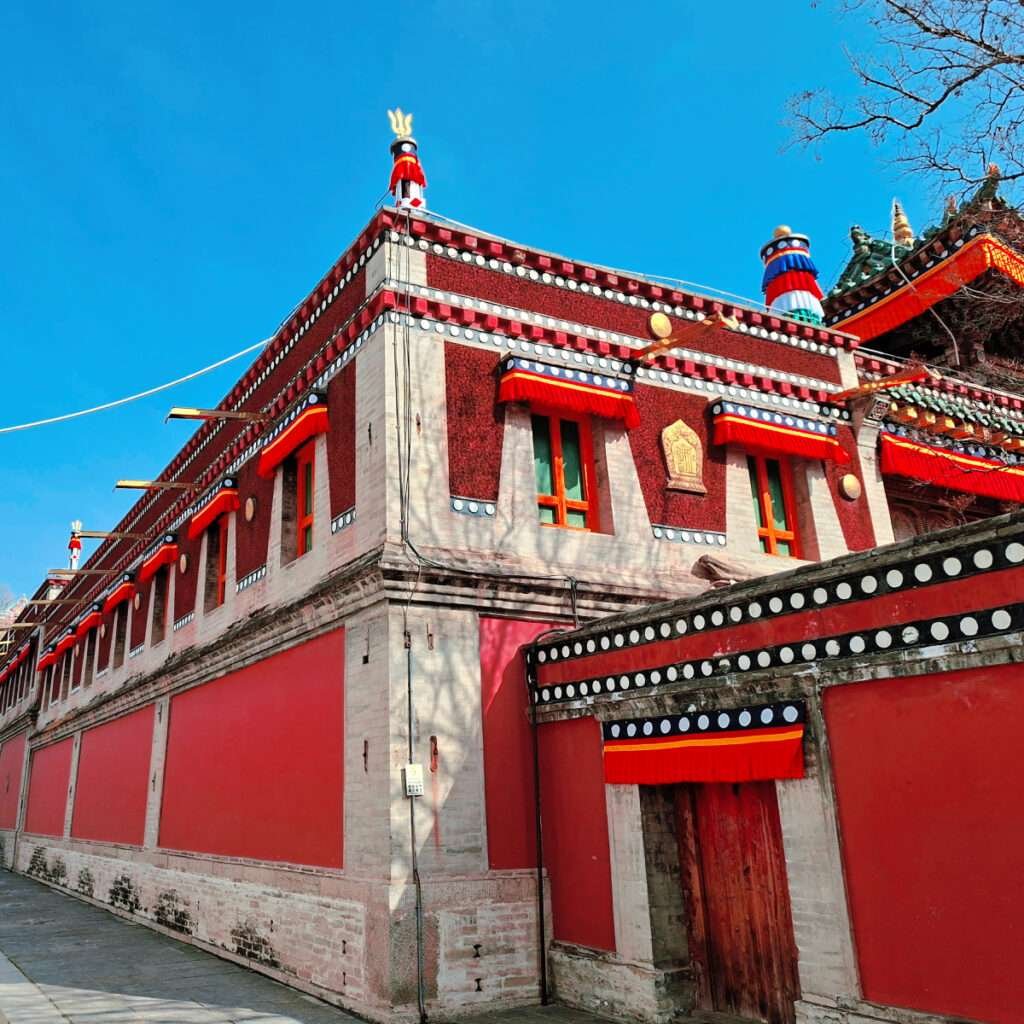
If you have to choose between different monasteries, feel free to head straight to Labrang Monastery. Kumbum Monastery (shown in the picture above) wasn’t as impressive; it was kind of chaotic and not as “grand-looking” (though I don’t want to be rude here, since it still is an important monastery in Tibetan Buddhism). I don’t mean to be offensive—just telling people which monastery is worth visiting if you are planning to see only one.
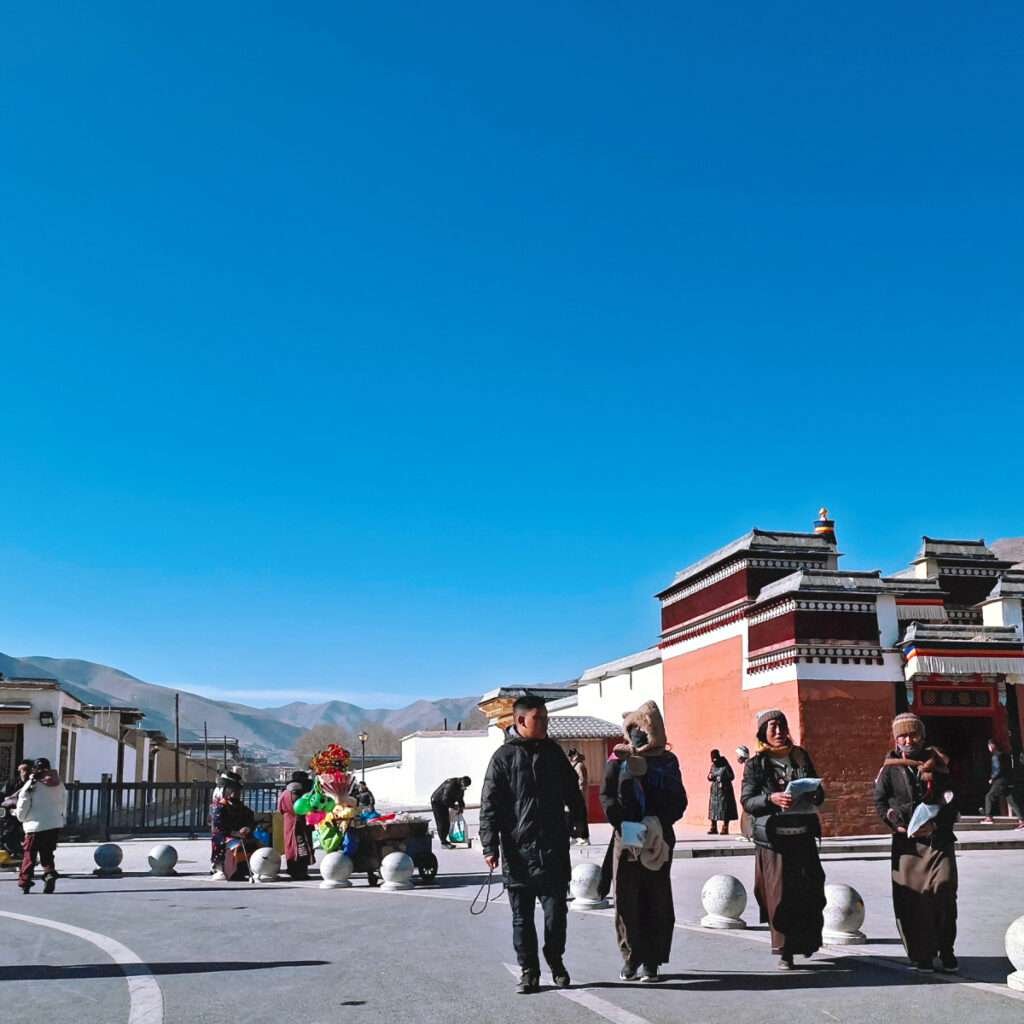
You will see a lot of Tibetans on the way, and other minorities as well. My driver also started to flirt with me, which, to be honest, is incredibly annoying. I personally recommend avoiding the front passenger seat if you don’t want to be harassed by men looking for an affair.
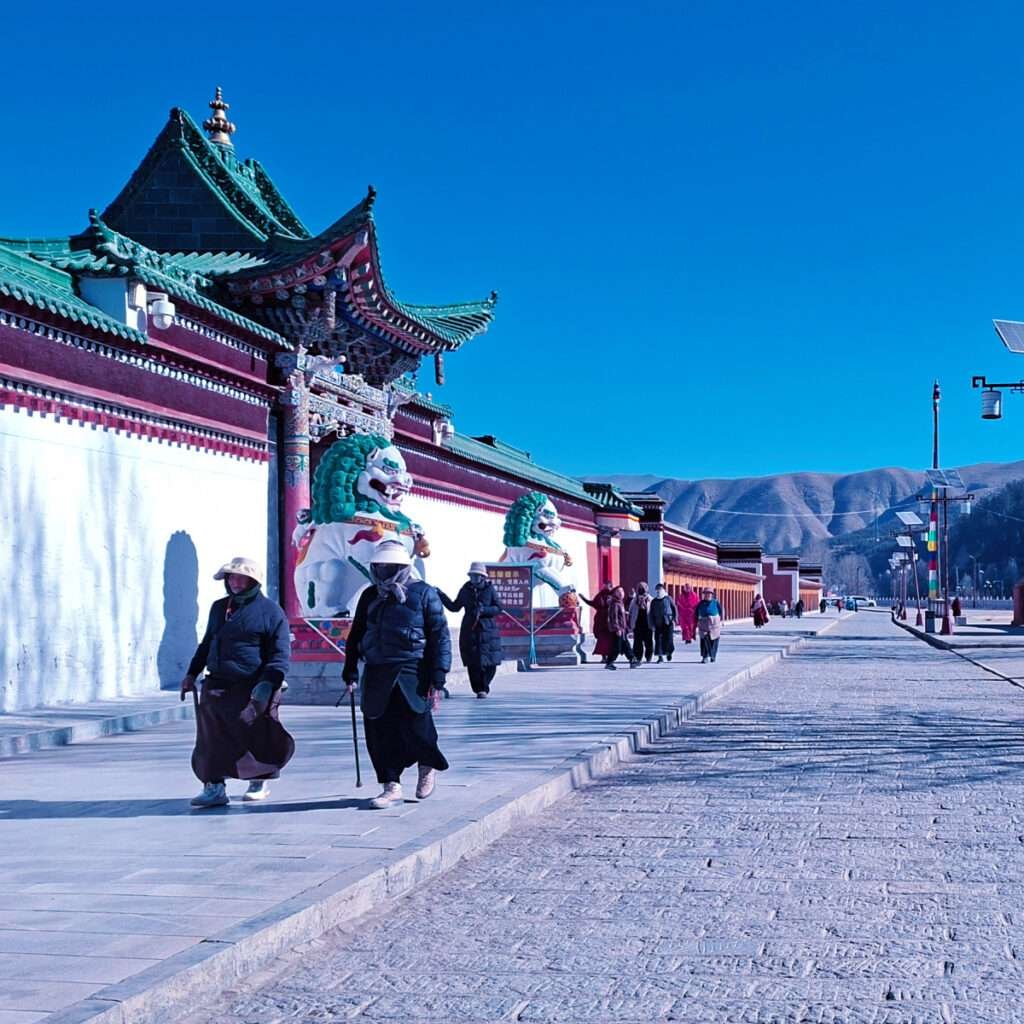
Western women are sometimes stereotyped as being “easy,” and that was probably what this man thought. He later wanted to take me around Xining in the evening for free and take me to a restaurant and a bar, but I already know how this usually ends—with the man trying to pressure you into sex. Trust me, I have experienced this more than once, so make sure to stay safe when you’re traveling solo through China. He had three children, but that doesn’t necessarily keep a man in China from cheating—including men who belong to certain minorities.
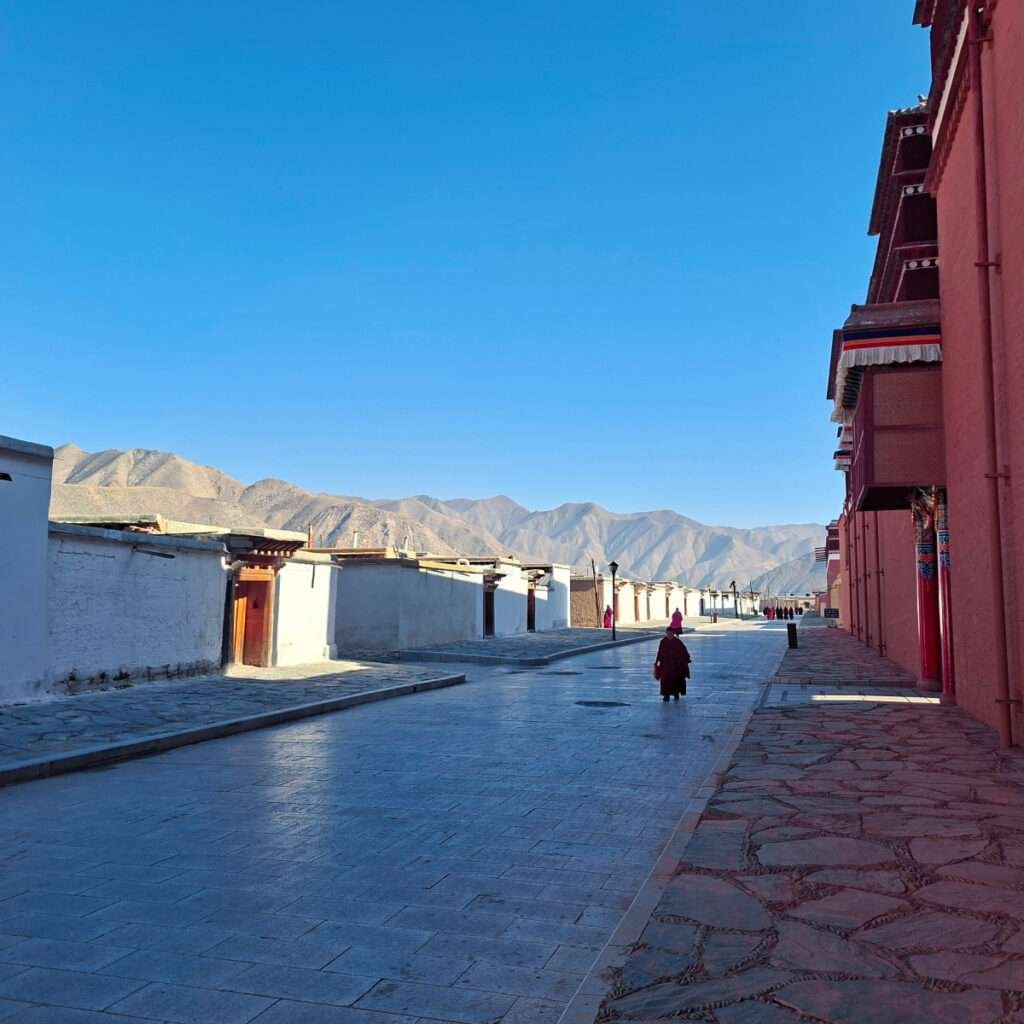
Watch for suggestive language or looks, which can be somewhat covert. A man being overly friendly may be another sign. Such intentions can be hard to detect. However, if a driver offers to take you out in the evening for free after staring at your breasts a little too long and getting a bit too close with his face and eyes while doing so (I love it when I can feel a stranger’s breath on my face! Just kidding), that should be a red flag. It’s best not to go if you don’t want to end up in an uncomfortable situation with a stranger you didn’t find particularly attractive or pleasant. You may find it frustrating to encounter yet another man who wants to get you into bed when all you wanted was to travel and experience local culture. I blocked him on WeChat the next day after declining his invitation on the first day, as he kept talking about me visiting again that summer and wouldn’t take no for an answer.
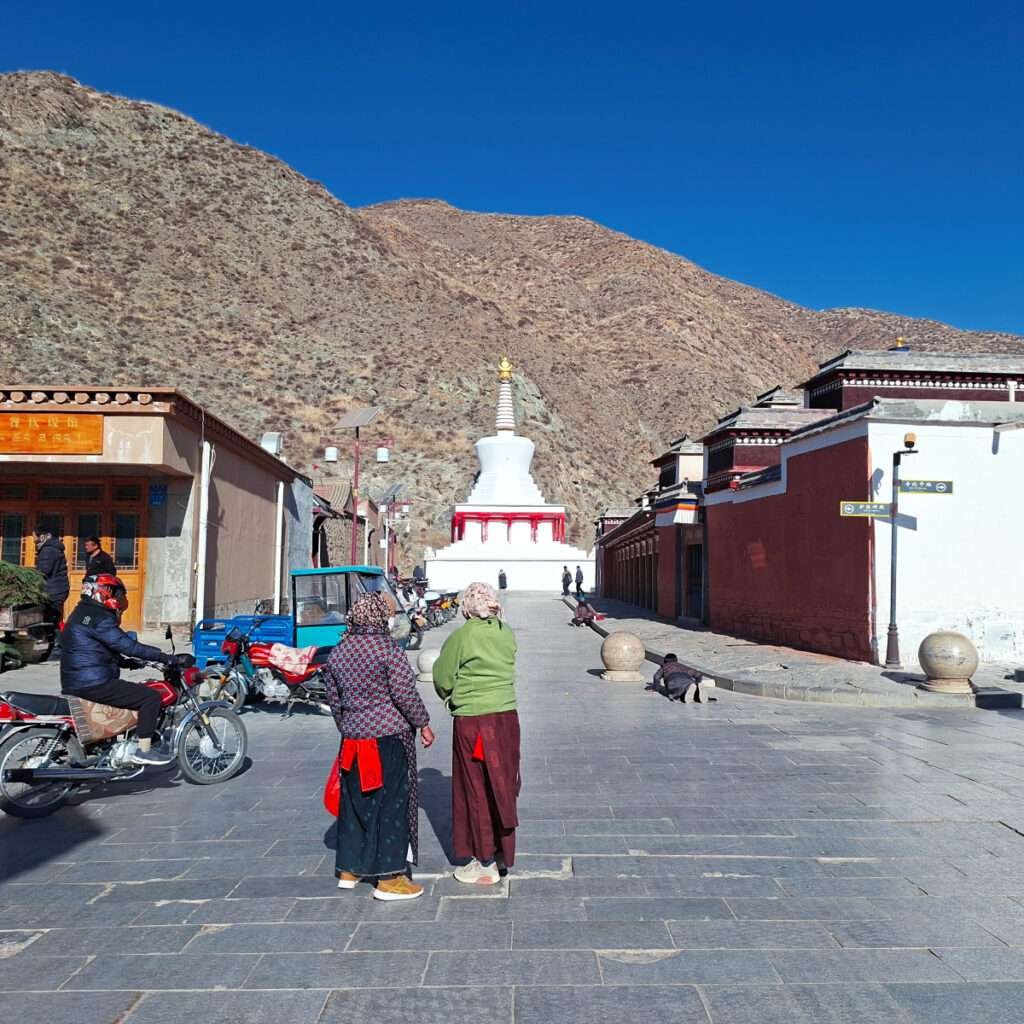
I am not a woman who gets into bed with anyone who wants me to, though I have noticed that some men have become very incel-like in recent years, seeming to think that a woman has no say in matters concerning her at all. In China, certain men may hold this mindset traditionally, though some younger men have also been influenced by incel-like ideas spreading online, including on the Chinese internet. I don’t remember things being this bad in the past, and I suspect this attitude may be spreading through the internet or other campaigns portraying women to men as something “they can simply take” or “have access to” whenever they want. Certain men have always behaved this way, but encountering many who act like this can become rather annoying and overwhelming if it happens frequently. Please don’t meet up with men who give you a creepy feeling, who come too close during a drive, or who—you know—stare at your breasts instead of looking at the road.
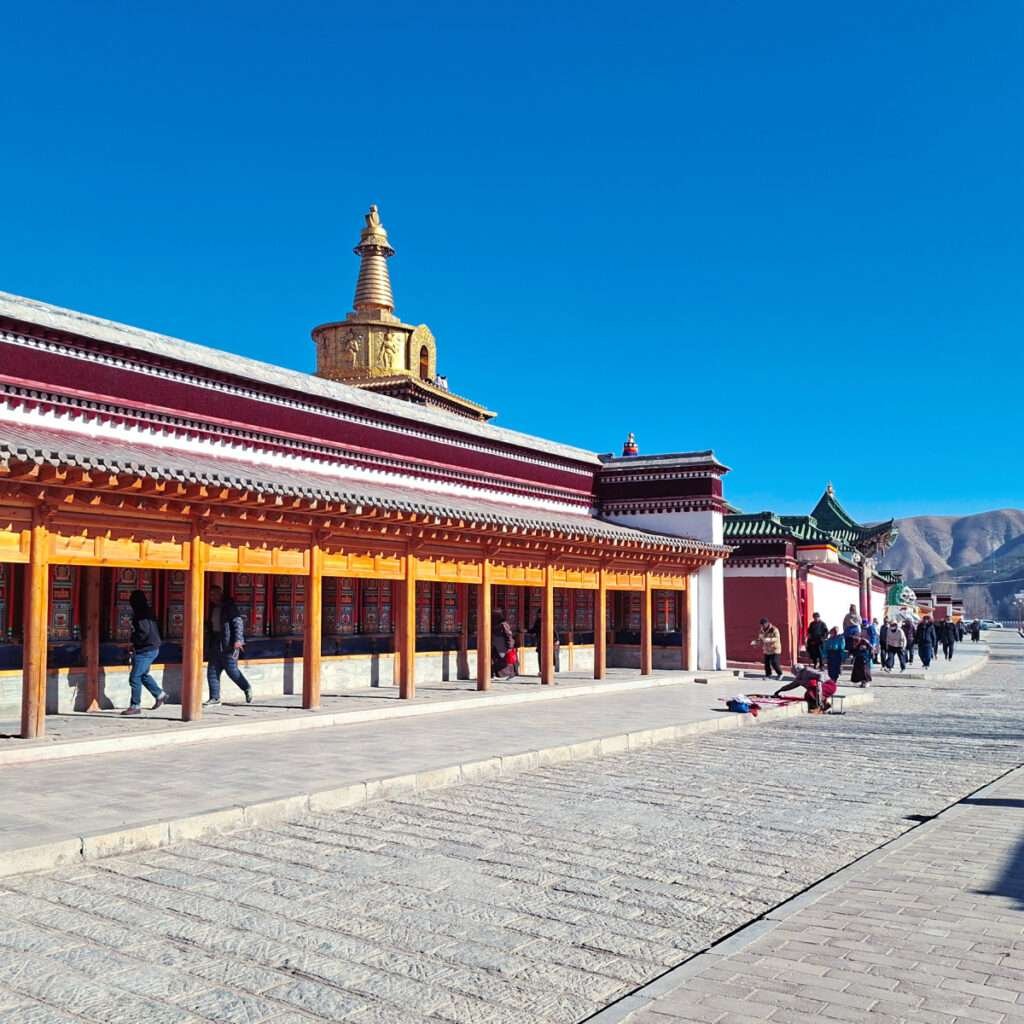
I am going to share posts on the travel page of my blog sometime later. I am currently very busy, so I don’t have much time to blog, but I’ll make sure to put these posts up later for anyone interested in reading or in visiting these stunning sights.
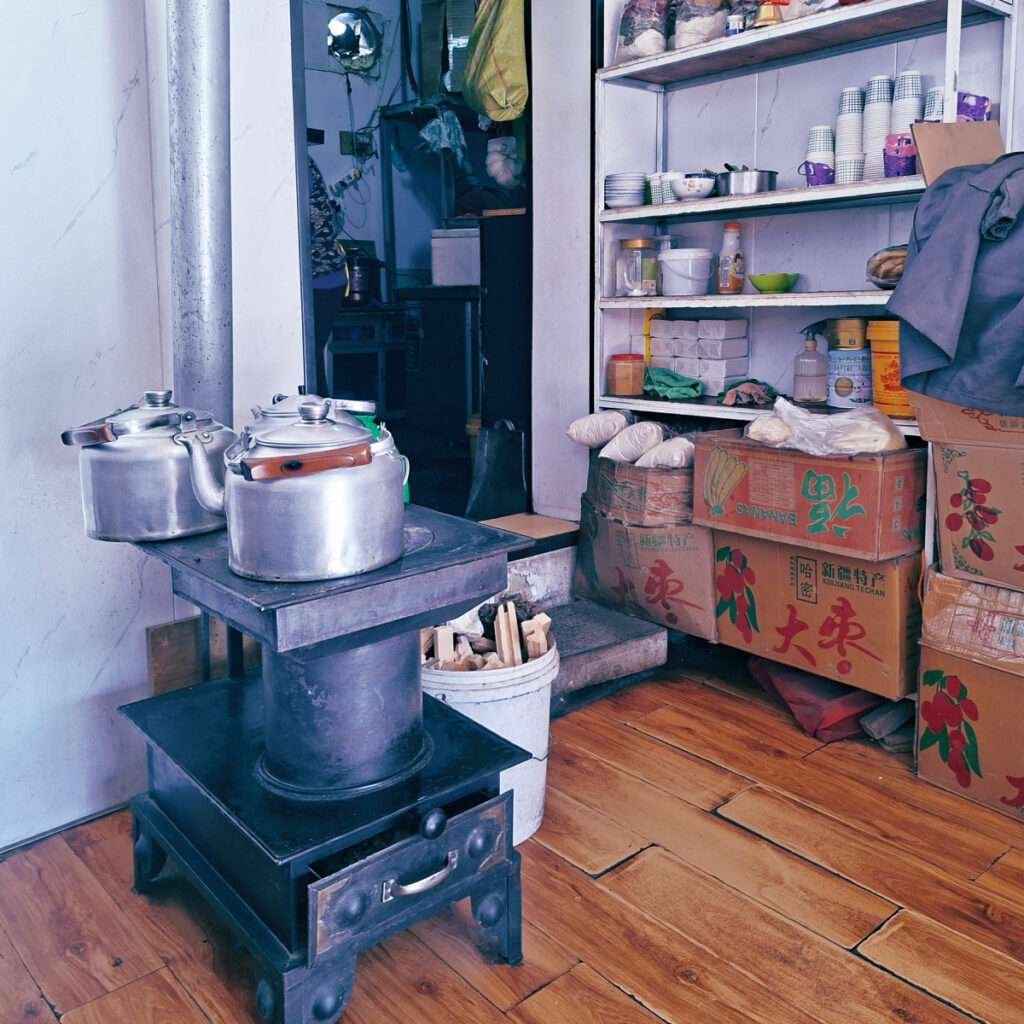
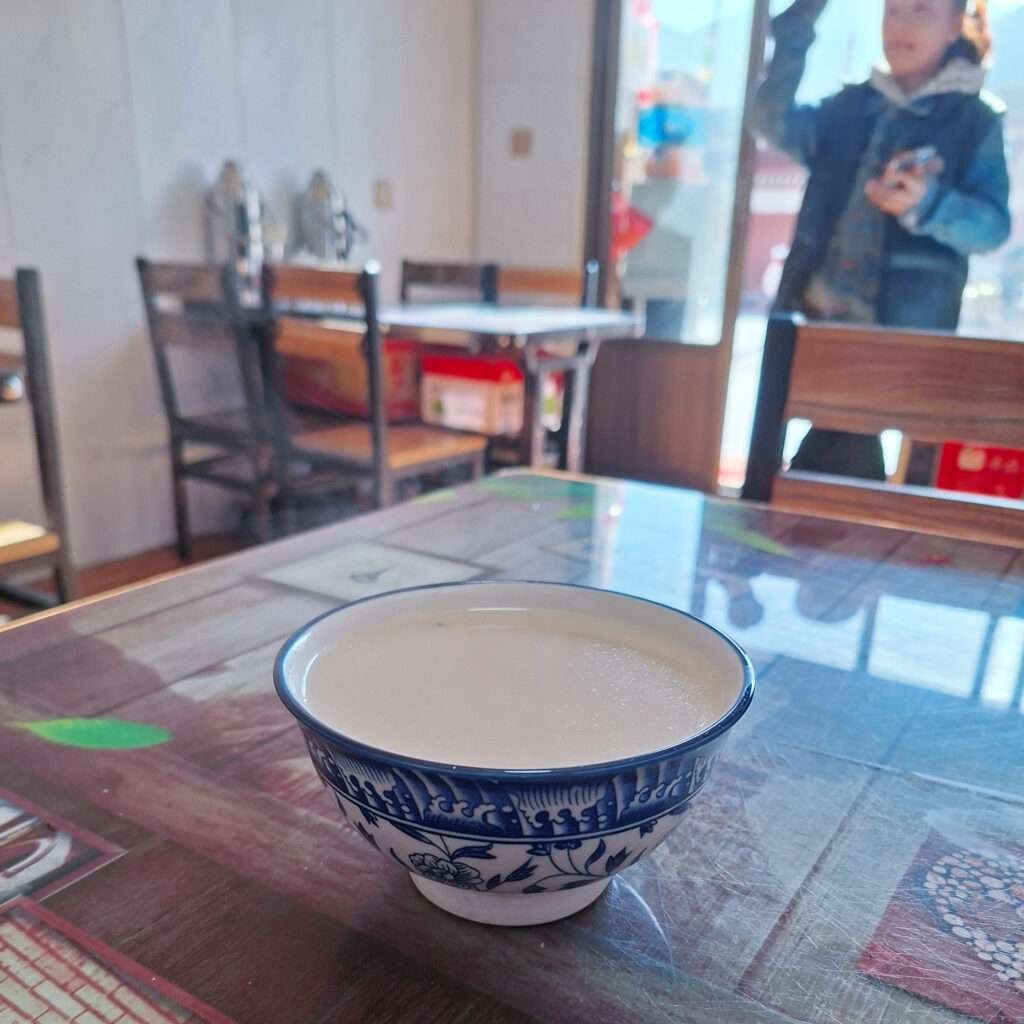
The first thing I did after arriving at the main entrance of Labrang Monastery was find a place to try the local Tibetan milk tea. The woman running the place didn’t speak any Mandarin, but I was able to order through an interpreter—a young woman who was also eating there and could translate what I said in Mandarin into Tibetan. The milk tea tasted mostly like milk, but it was exceptional because the milk was so fresh; I had never tasted anything like it, neither in China nor in Austria (and I grew up in the Austrian countryside, so I know what truly fresh milk tastes like). I remember that people used to buy fresh milk from farmers in the countryside—for example, my paternal grandmother, who would buy milk from a farmer every morning, then heat it up and serve it with cornflakes or something similar when I visited as a child. The tea added to the milk at the restaurant near Labrang Monastery was roasted black tea, which gave the drink a smoky flavor. It cost 5 yuan (just so you have an idea of what to expect for milk tea) and could be refilled, though I chose not to since the bowl was already quite large.
Many monks live in the area, along with their families or other Tibetan families. The region is mostly Tibetan and has historically been inhabited by Tibetans. The Tibetans living in Xiahe County, the small town where Labrang Monastery is located, are predominantly Amdo Tibetans, who traditionally inhabited the northeastern part of the Tibetan Plateau, which includes Gannan (Southern Gansu). Labrang Monastery sits at an altitude of about 2,900 meters (9,500 feet).
How were your winter holidays (if you had any)?