Xilamuren Grassland, Inner Mongolia: Where Tourists Go—but You Shouldn’t (China Travel)
Inner Mongolia is famous for its grasslands, but some areas are overly commercialized for tourists.
31/01/2016
Ruth Silbermayr
Author
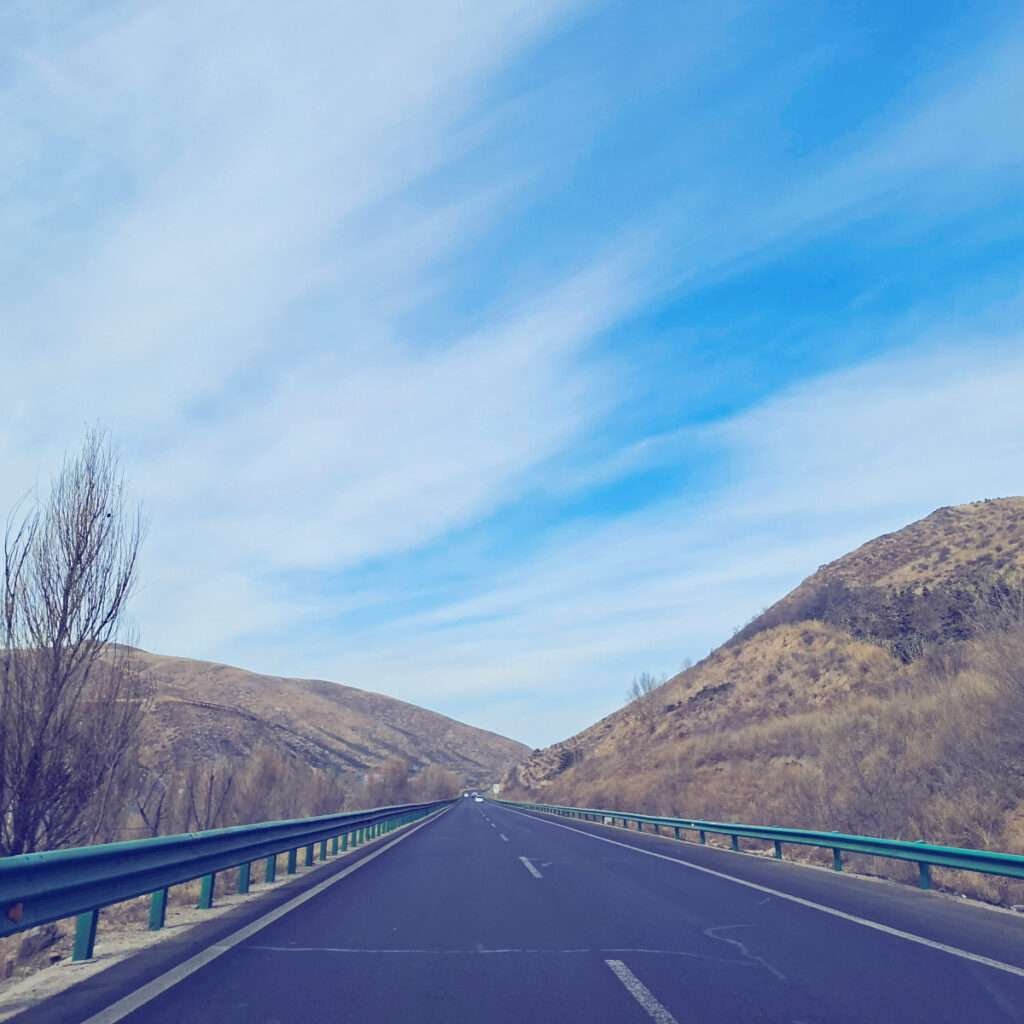
The Xilamuren Grassland is located near Hohhot and can easily be reached from the city.
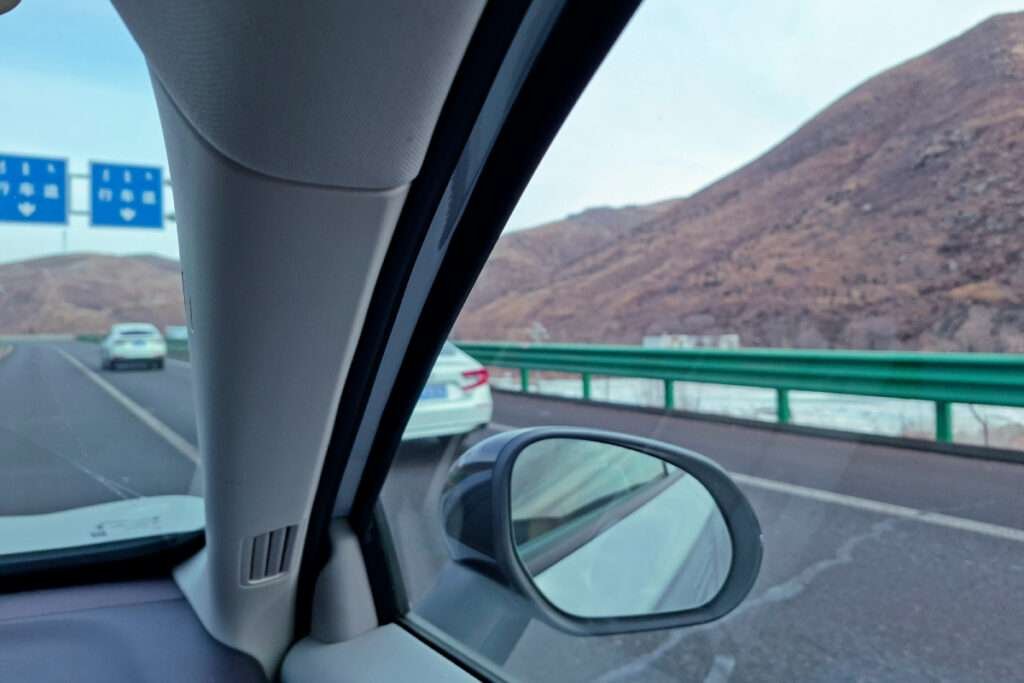
I took a cab to the grasslands to see what they looked like in winter. When I went, I didn’t see a bus, but I have also heard of buses going there.
It is common for tourists to visit the grasslands and spend a night or two in a yurt, but beware that these are tourist yurts and do not resemble the real thing (though they look similar).
An employee working at the hostel where I stayed in Hohhot told me that people belonging to the Mongolian minority in China stay in the yurts during summer, and that visitors can experience traditional nomadic life there at that time.
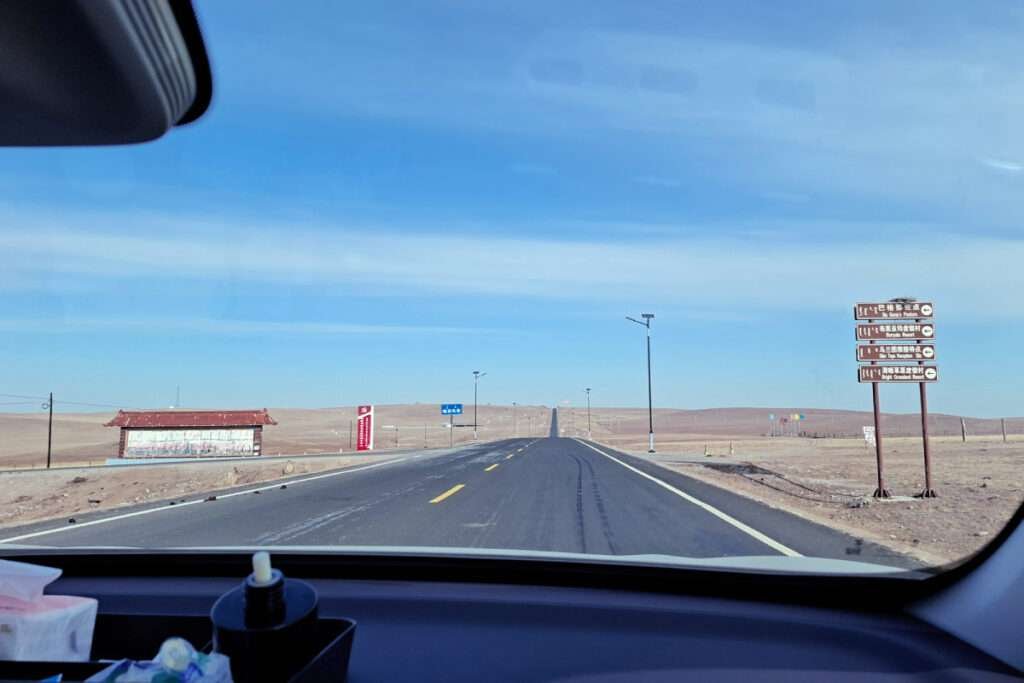
In winter, however, they move elsewhere, also somewhere in the grasslands, probably because not enough tourists stay there during that season. The weather was cold, but not extremely so—more like winter in Austria than in Northeast China.
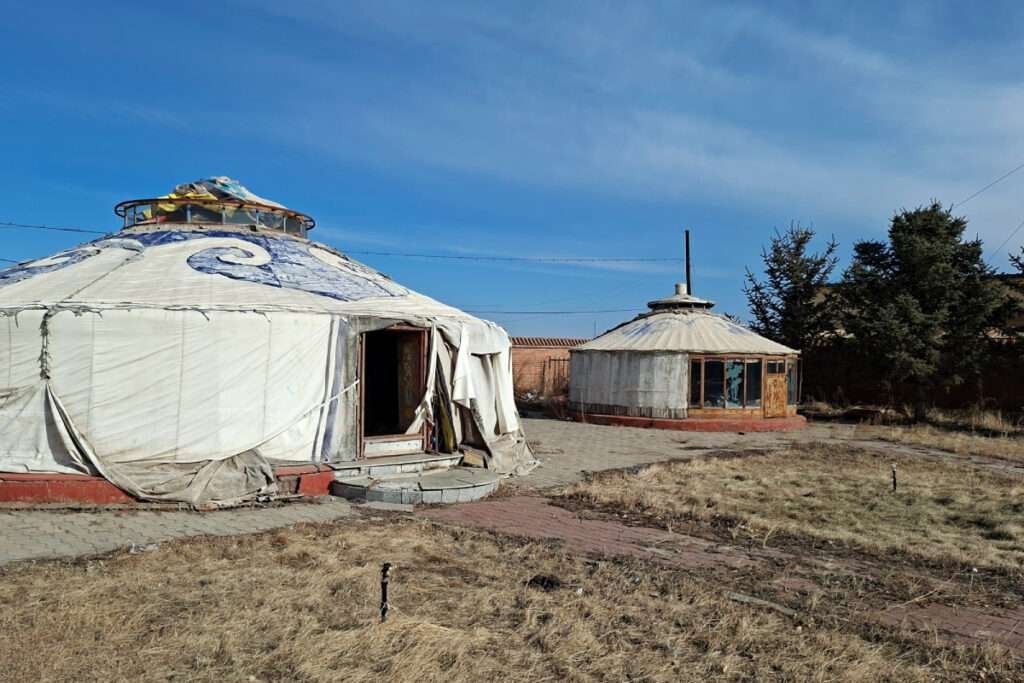
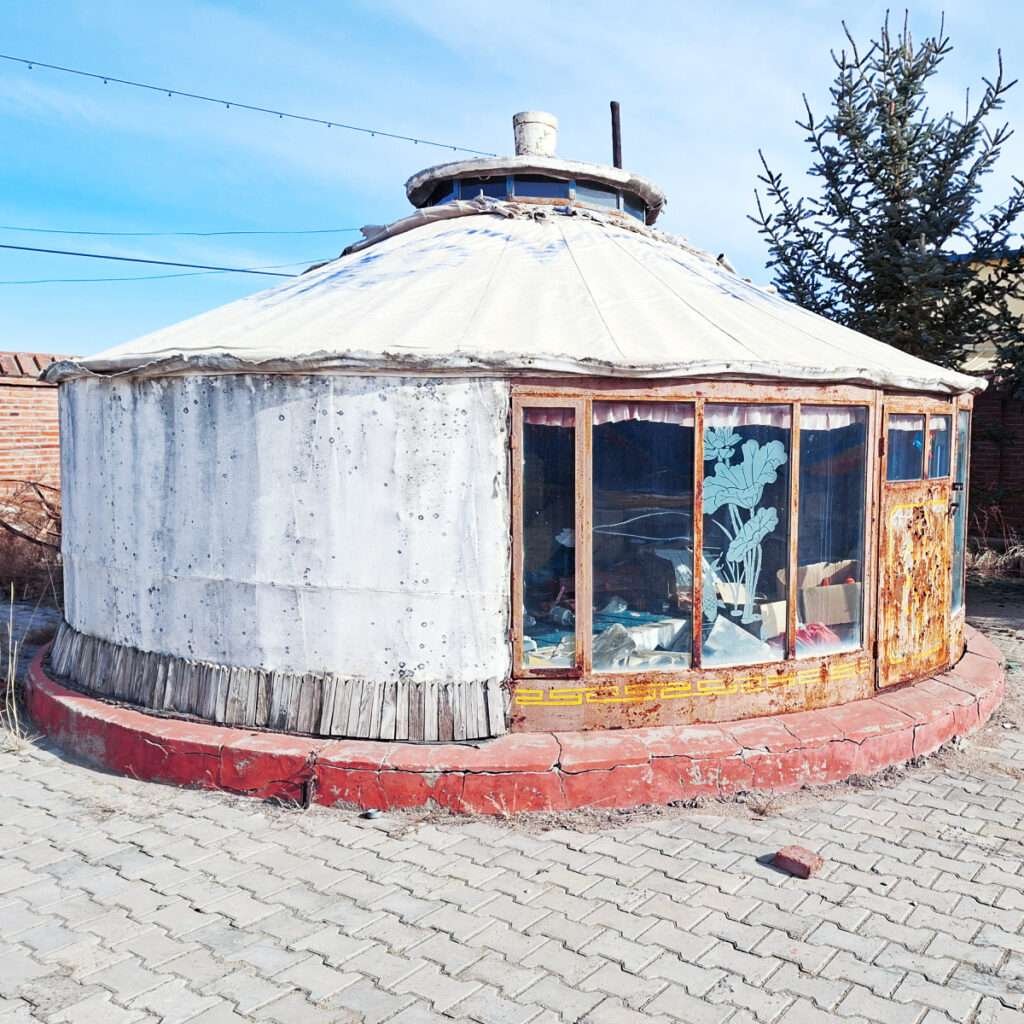
Still, I wouldn’t have wanted to stay in a yurt, since they didn’t seem very inviting due to their over-commercialization and the fact that many yurts are made of concrete instead of being movable, truly traditional yurts.
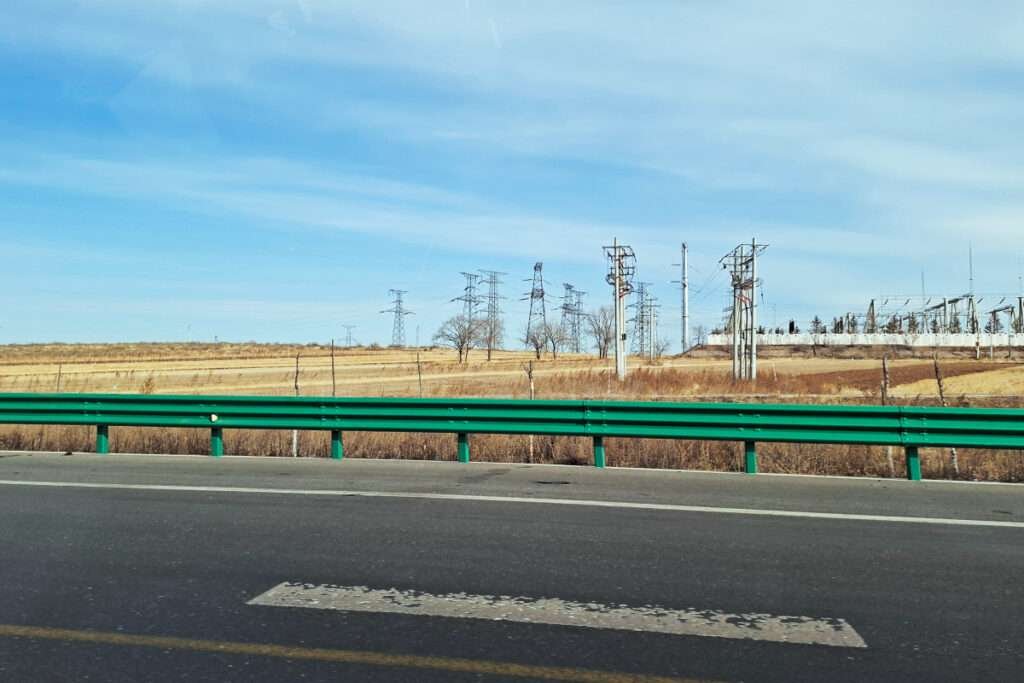
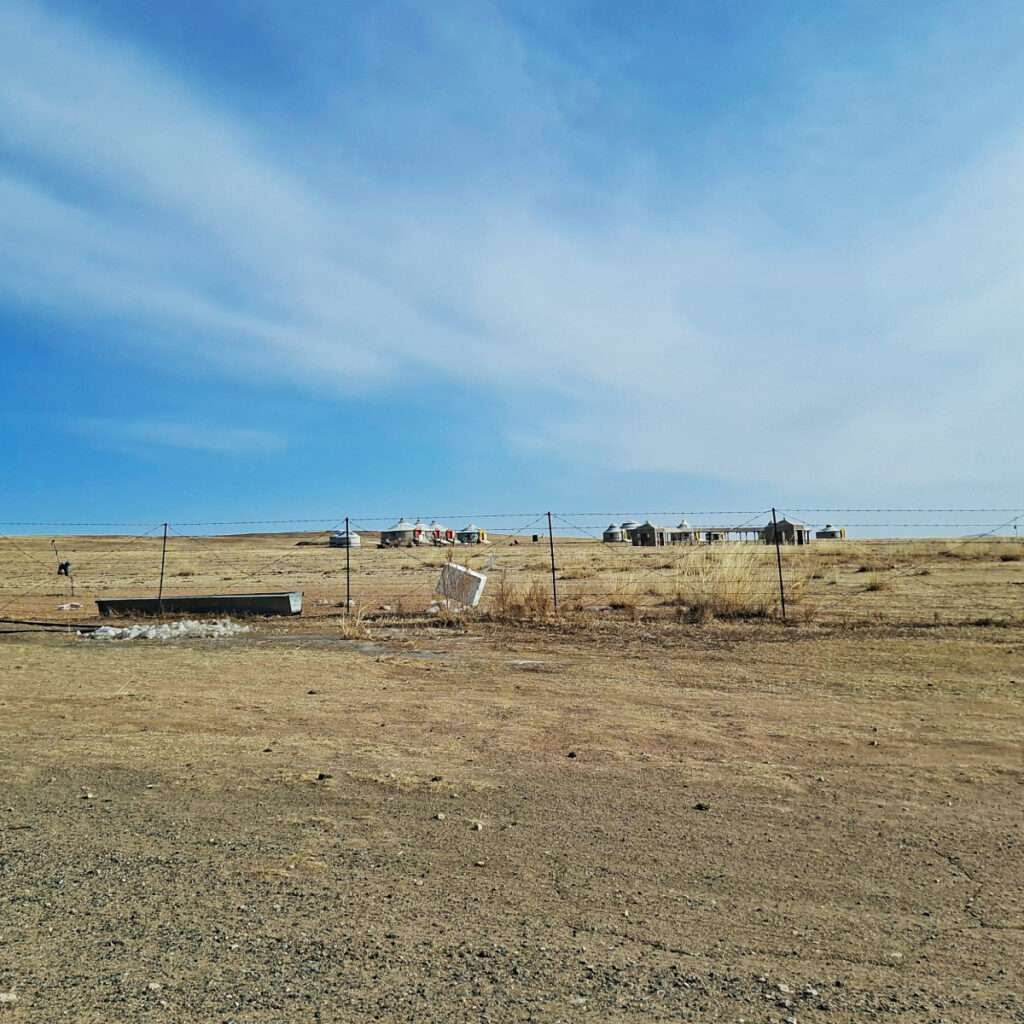
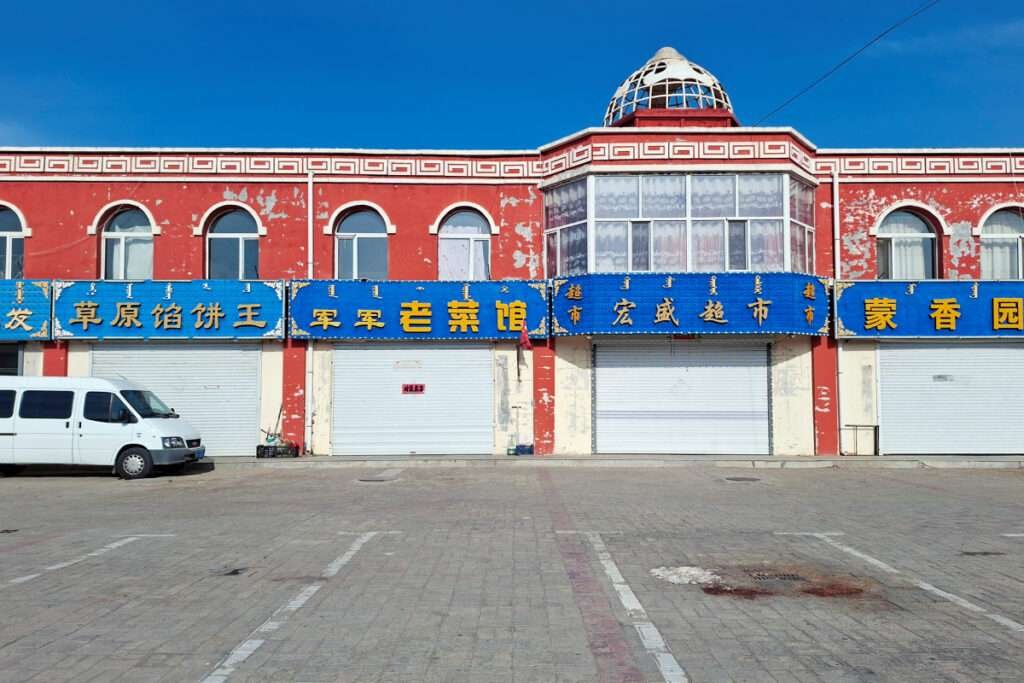
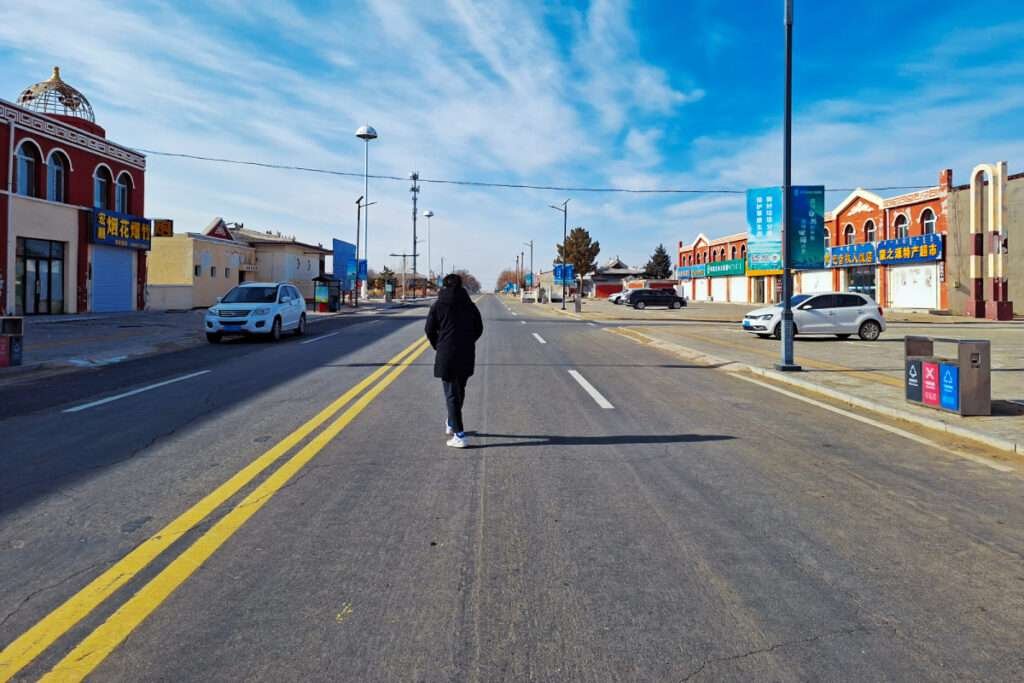
The grasslands near Hohhot were still interesting to see, but keep in mind that there are power lines and a few not-so-beautiful villages on the way. The grasslands are said to be much more beautiful in summer, when the grass is lush and green.
I saw a few animals grazing, but no Inner Mongolians or truly traditional yurts.
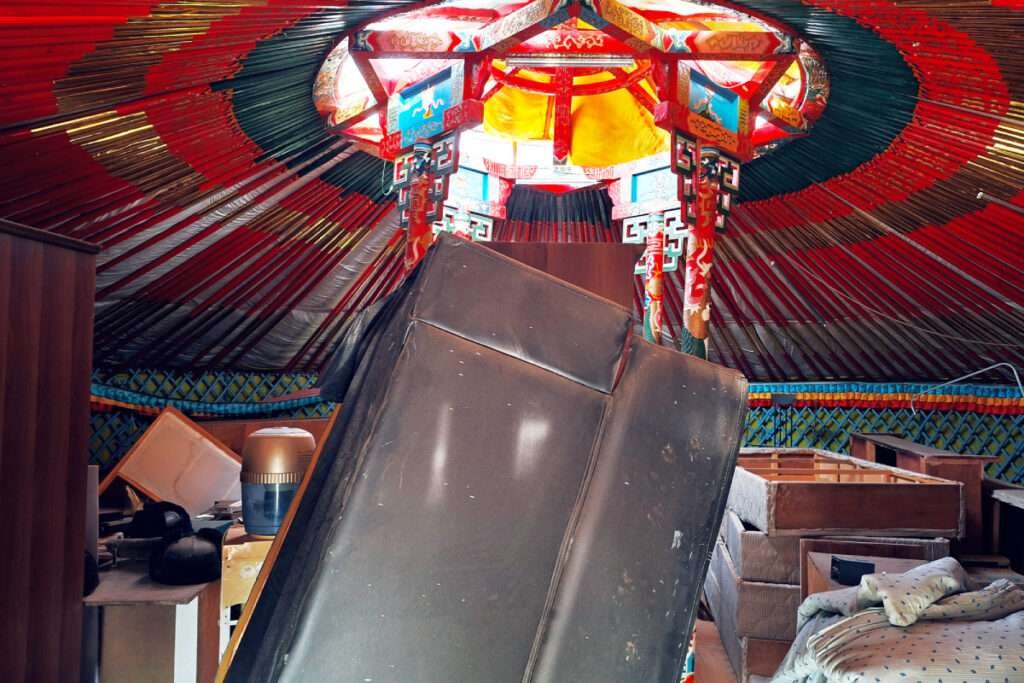
One yurt I visited—part of a group of yurts placed in a village on the way to the grasslands—used to be a tourist yurt, and I could still see a few mattresses and pieces of furniture inside it (see picture).
The yurts found along the way were usually arranged in large groups, such as 40 yurts placed in one spot, so that many visitors could stay there at the same time.
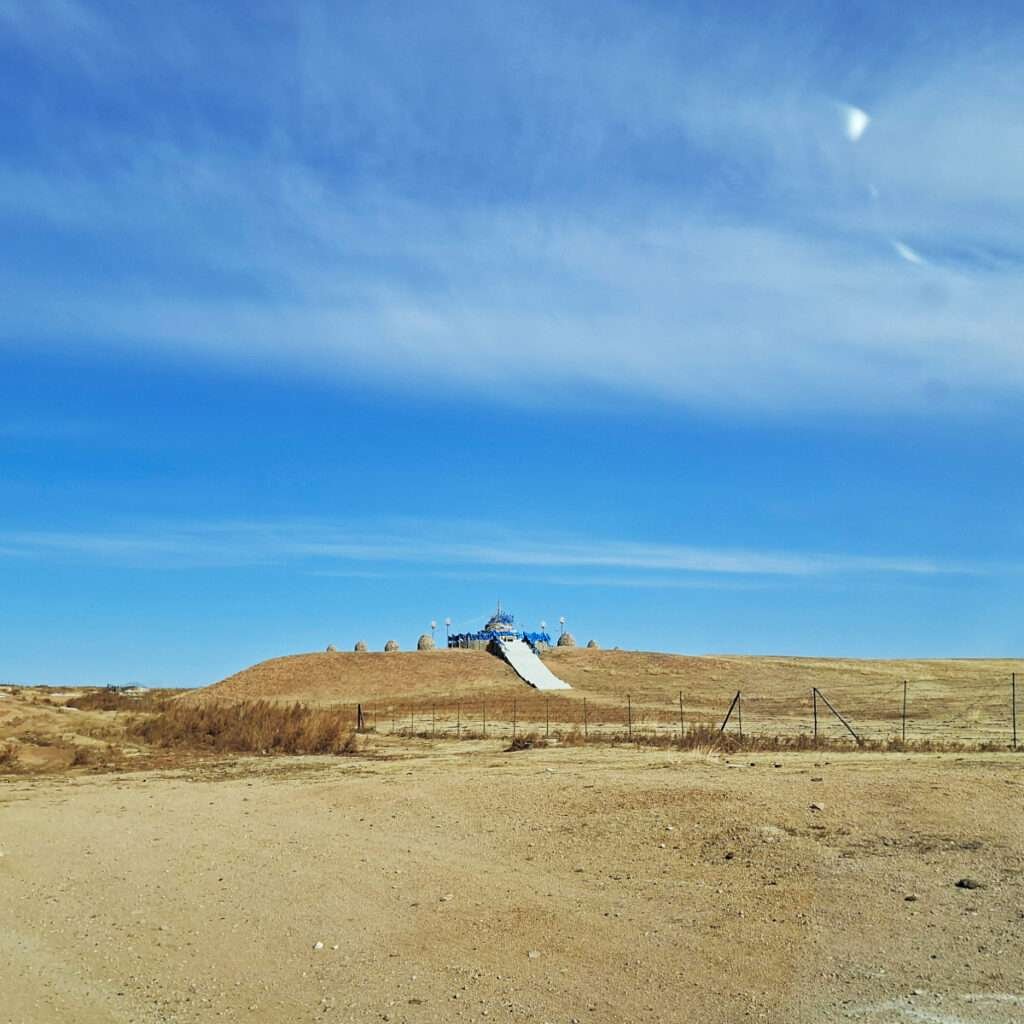
I also saw two “Aobao” on my way—and unlike the yurts, these were authentic. Aobao are stone structures used for praying and spiritual practices by Mongolians.
Traditional Mongolian nomadic life—if you want to experience it—probably has to be found elsewhere. Tourist packages often include horse riding and eating Mongolian food, and these packages tend to cost around 500 yuan or more. This was another reason why I didn’t buy one, as I didn’t find it worth the price.